Rasto Kirn
sustainability planner, perpetual tourist and gourmand
  • domov
  • blog (SI)
  • Home (EN)
  • Blog (EN)
  • Blog (RU)
  • Slovenija
    • gospodarstvo >
      • Alpska Slovenija >
        • Maribor
        • Rogla - Pohorje
        • Solčavsko
      • Termalna panonska Slovenija >
        • Ptuj
      • Ljubljana & centralna Slovenija >
        • Ljubljana
      • Mediteranska & kraška Slovenija >
        • Piran
    • trajnost
    • hrana in pijača

A Family Adventure in Slovenia’s Hidden Corners: Castles, Bats, and a Ship

13/4/2025

1 Comment

 
The World Food Travel Day is just around a corner, so this past Sunday, our family set out for a day of exploration in eastern Slovenia, chasing history, nature, and good food. With the kids in tow and a sunny spring day ahead, we visited two charming castles—Podčetrtek and Podsreda—and wrapped up with a hearty meal at a family favorite in Poljčane, lovingly dubbed the ‘Ship Pizzeria’ by our little ones. Here’s a glimpse of our adventure, sprinkled with tips for fellow travelers and insights for tourism professionals looking to showcase Slovenia’s lesser-known gems.

​​First Stop: Podčetrtek Castle – Views and Virtual History
Picture
​Perched on a rocky outcrop above Podčetrtek’s lively town square, Podčetrtek Castle is a work in progress, slowly being reborn after a recent partial renovation. While it’s still finding its full potential, what’s already there is well worth a visit. The terrace, complete with a cozy bar, offers breathtaking views of the square below—a perfect spot for parents to sip coffee while the kids marvel at the scenery.
Picture
Picture
Picture
​The castle’s standout feature is its interactive courtroom, where three virtual displays bring historical events to life. Our kids were glued to the screens, giggling as they ‘participated’ in medieval trials. Another highlight was the path to the castle, where augmented reality signs along the way show a bat ‘flying’ around you—our youngest thought it was pure magic! For tourism professionals, this blend of tech and history is a great example of how to engage younger visitors while keeping things educational. My tip? Promote the terrace as a must-visit for its views, and consider adding guided tours to flesh out the castle’s story for history buffs.
Picture
​
​Second Stop: Podsreda Castle – A Compact Gem with Bats Galore
Picture
​A short drive away, Podsreda Castle above Kozje village stole our hearts. This small but content-packed fortress feels like a step back in time, with its centuries-old walls transformed into captivating exhibit spaces. The friendly receptionist handed us audio guides and explained the self-guided tour, which made the visit seamless even with restless kids.
Picture
Picture
Picture
​The castle’s history—once a near-empty shell, now a layered masterpiece of architecture—was fascinating, but the real showstopper was the attic, home to over a hundred bats! Our family stood in awe, watching these tiny creatures cling to the rafters. It’s a rare chance to connect with nature in such an unexpected setting. For tourism pros, Podsreda’s bat colony is a unique selling point—pair it with eco-conscious messaging to attract nature lovers. My advice for visitors: in cold months bring a light jacket for the chilly attic, and don’t skip the audio guide for the full experience.

​​Final Stop: Poljčane’s ‘Ship Pizzeria’ – A Family Feast
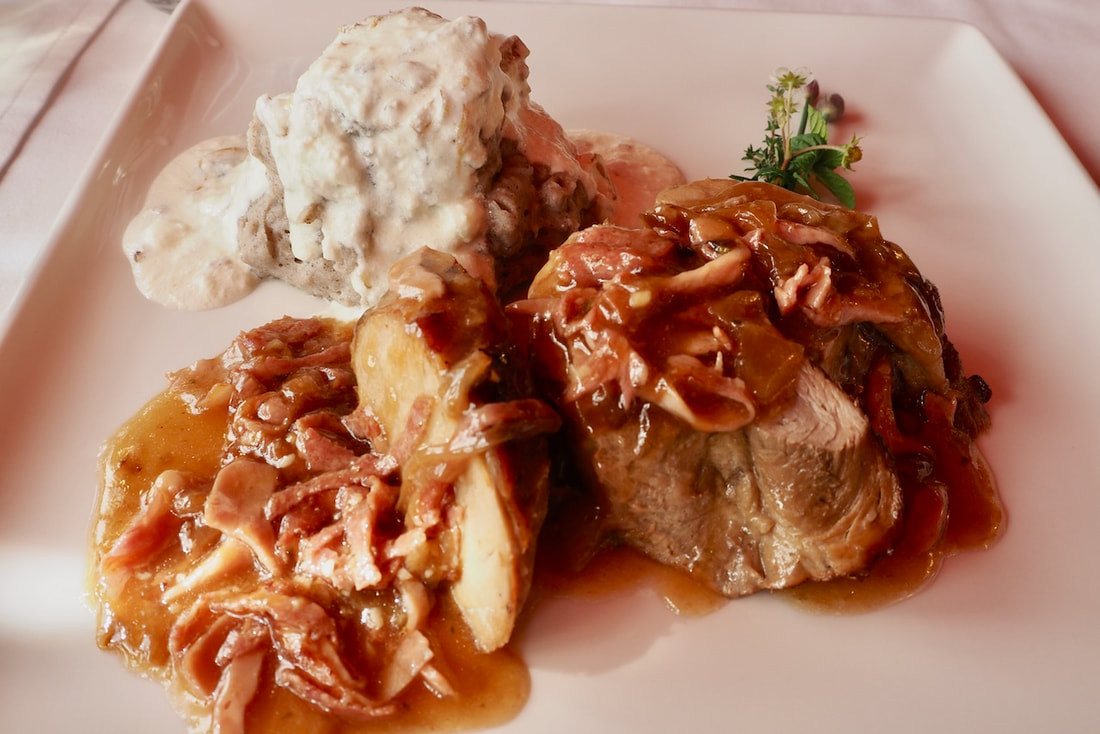
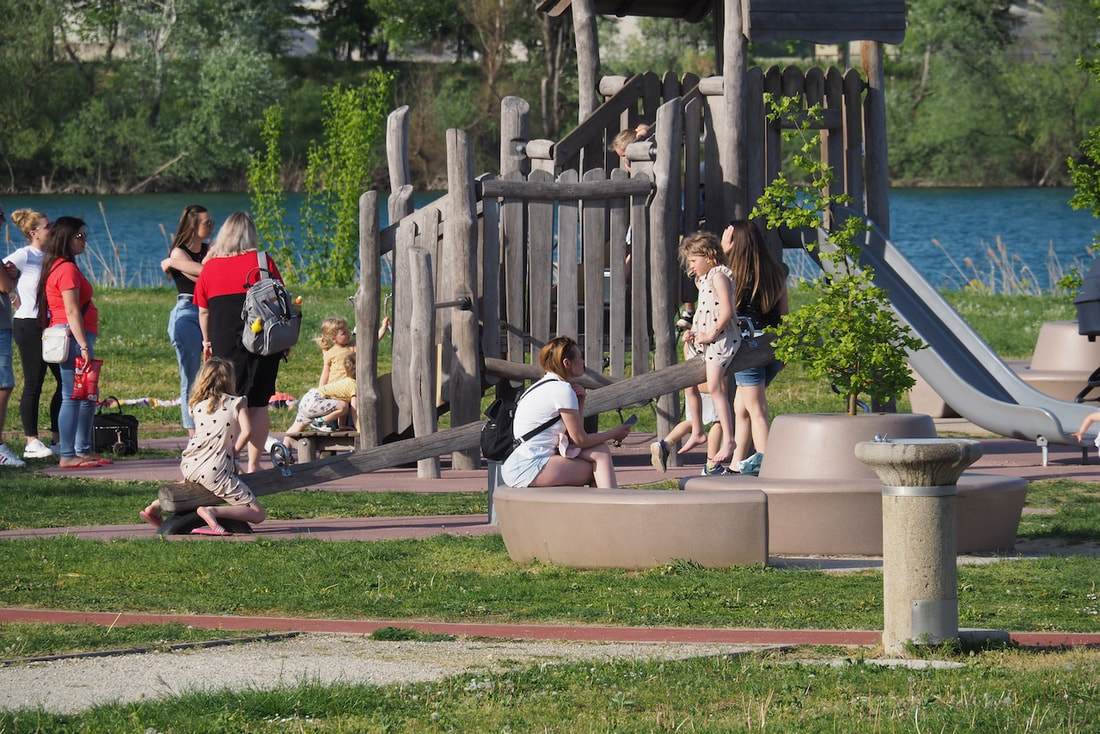
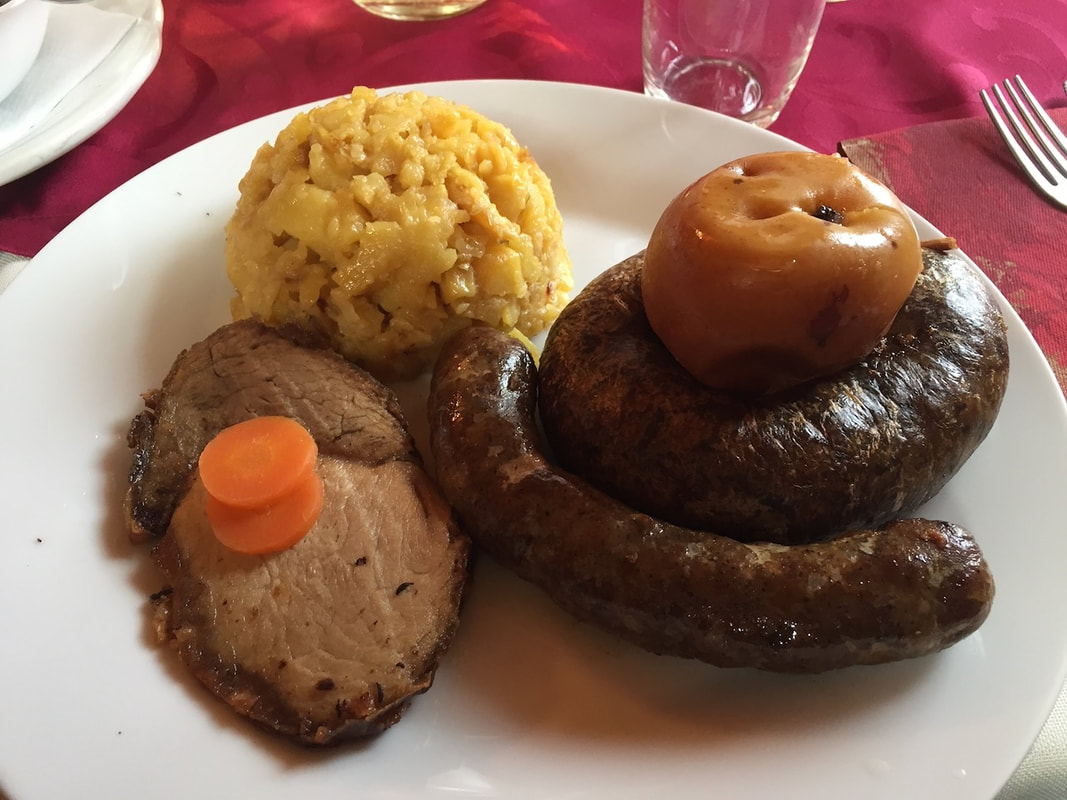
Late in the afternoon, it was time to head home, and I was reminded of the kind of homemade food our grandmothers used to prepare. The Styrian culinary tradition is rich, rooted in the countryside, influenced by the Austro-Hungarian Empire, and based on locally grown ingredients. Boiled or baked štruklji, buckwheat spoonbread (žganci), wintertime pork feasts (koline), sour soup, and cured meats – here, white wine and apple cider are at home, and for dessert, there’s apple strudel or potica. Just thinking about a small part of these culinary delights made my stomach growl. “Let’s stop at the first inn on the way,” I announced. And so we arrived in Poljčane. In fact, it was a familiar restaurant, which the kids call “The Ship Pizzeria” because of the wooden ship-shaped playground. Despite the bustling Sunday crowd, we snagged the last free table, and the waiter was at our side in a flash—top-notch service!
Picture
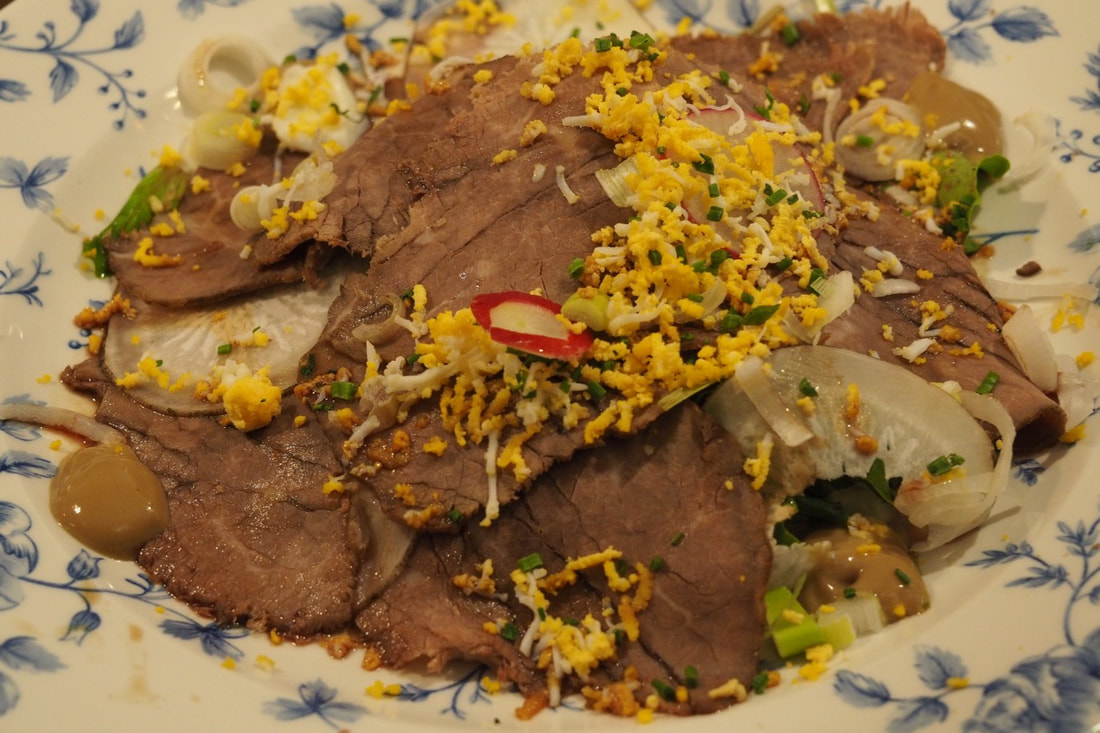
The restaurant is actually more of a pizzeria than a traditional inn. Based on the menu, my wife and I decided to share the squid trio, which turned out to be almost too much for two people. Hmm, admittedly, this isn’t exactly traditional homemade food, considering the sea is over 200 kilometers away. But supporting a local restaurant still counts for something, I told myself reassuringly.
The lively atmosphere was perfect for unwinding, and the kids raced to the playground after their meal, giving us a moment to relax. For tourism professionals, this spot is a goldmine for family-friendly itineraries—its proximity to major routes makes it an ideal stop for travelers exploring eastern Slovenia. My tip? Highlight the playground in promotions to draw in families, and maybe offer a lighter portion of the squid platter for smaller appetites!

​​Why This Trip Matters
​This day trip reminded us why Slovenia’s smaller destinations deserve more love. Podčetrtek and Podsreda castles offer a mix of history, innovation, and nature that’s perfect for families and curious travelers alike, while Poljčane’s restaurant proves that good food and a kid-friendly vibe can make any journey memorable. For tourism professionals, these spots highlight the power of authentic, sustainable experiences—whether it’s leveraging AR technology, promoting wildlife conservation, or catering to families on the go.
​Our family left with full hearts (and stomachs!), already planning our next adventure. If you’re passing through eastern Slovenia, add these stops to your list—you won’t be disappointed!

​​Have you visited any hidden gems in Slovenia lately? Share your tips in the comments, or reach out for ideas on planning your next family-friendly trip!

Grad Podčetrtek, Cesta na Grad 37, 3254 Podčetrtek
+386 (0)2 810 90 13, cafe +386 (0)68 148 504
[email protected], [email protected]
https://www.visitpodcetrtek.com/en/home

Grad Podsreda, Podsreda 103, 3257 Podsreda
+386 (0)3 5806 118, +386 (0)3 800 7100
[email protected]
https://www.visitpodcetrtek.com/en/attractions/podsreda-castle
​
Plac pod Bočem, Bistriška cesta 99, 2319 Poljčane
+386 (0)70 375 378
[email protected]
https://placpodbocem.si/
1 Comment

Happy World Food Day!

16/10/2024

0 Comments

 
How about celebrating this year’s World Food Day myself? Since I’m much better at typing on a keyboard than wielding a hoe (and honestly, I don’t even have any land to farm!), I’ve decided—after some thought—to write a short article on the topic of food and local tourism. It’s a subject that’s close to my heart, maybe a little too close considering my waistline !;-)
Picture
As a small municipality on the outskirts of the city, Kungota is an attractive place to live, located just a 15-minute drive from the center of Maribor, the second-largest city in Slovenia. This proximity gives Kungota the advantage of being non-industrialized. Home to 5,000 residents, the community is closely integrated with nature, despite its urbanized settlements.
Picture
The local economy is marked by agriculture, particularly food production (as nearby municipalities supply their surplus to the city) and agritourism. The entire municipality falls within a wine-growing region, featuring excellent sunlit slopes ideal for producing premium white wines. The border area with Austria runs along the South Styrian Wine Road, which, on fine days, sees traffic nearly at a standstill as tourists from both Austria to the north and Slovenia to the south flock to the area.
Picture
Most wine producers here are still farmers who supplement their income with beekeeping and tourism. The majority offer a quality selection of wines. Pure winemakers invite visitors for tastings in wine cellars and produce enough for sales as well. Farmers often serve local delicacies like home-cooked meals and cured meats. About half of them also provide accommodations.
Picture
What about the culinary offerings? A typical Sunday meal features three courses: beef or mushroom soup, followed by a main course of meat (pork, beef, or poultry) with a side (potatoes or pasta) and a salad (seasonal), and, of course, dessert (like the traditional gibanica pastry). Guests may have specific requests, but the menu is shaped by local ingredients. Here, the concept of “from garden to table” is truly literal! And no meal is complete without a glass of wine or, for children, local apple juice.
Picture
Kungota’s appeal extends beyond its culinary offerings. Four historic churches, ranging from 600 to 800 years old, the Svečina Castle, and a viticulture museum are cultural magnets for visitors. They can enjoy hiking, electric bikes, and horseback riding, which builds up an appetite. Across the rolling hills of this 50 km² area, there are 15 wine cellars and 10 tourist farms, along with a handful of bars and inns in the villages. While local bars are open regularly, the farm-based offerings are generally reserved for weekends and holidays.
0 Comments

Pomurje

14/4/2024

0 Comments

 
Picture
Since World Food Travel Day is on April 18th, and from April 12th to April 21st, 2024, it's also Slovenian Tourist Farms Week, we've decided to celebrate both events simultaneously! With our family, we chose to venture to the far northeast corner of the country, to Pomurje. The land on both sides of the Mura River is a plain, the bottom of the former Pannonian Sea, now known as the granary of Slovenia.
Picture
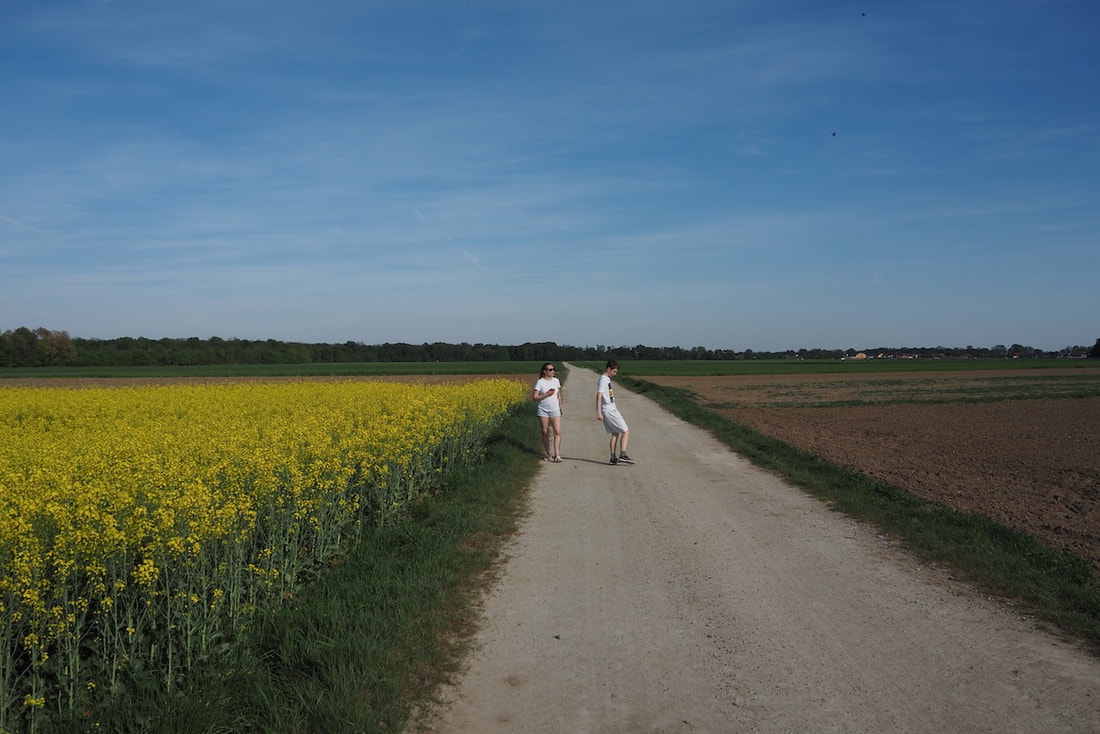
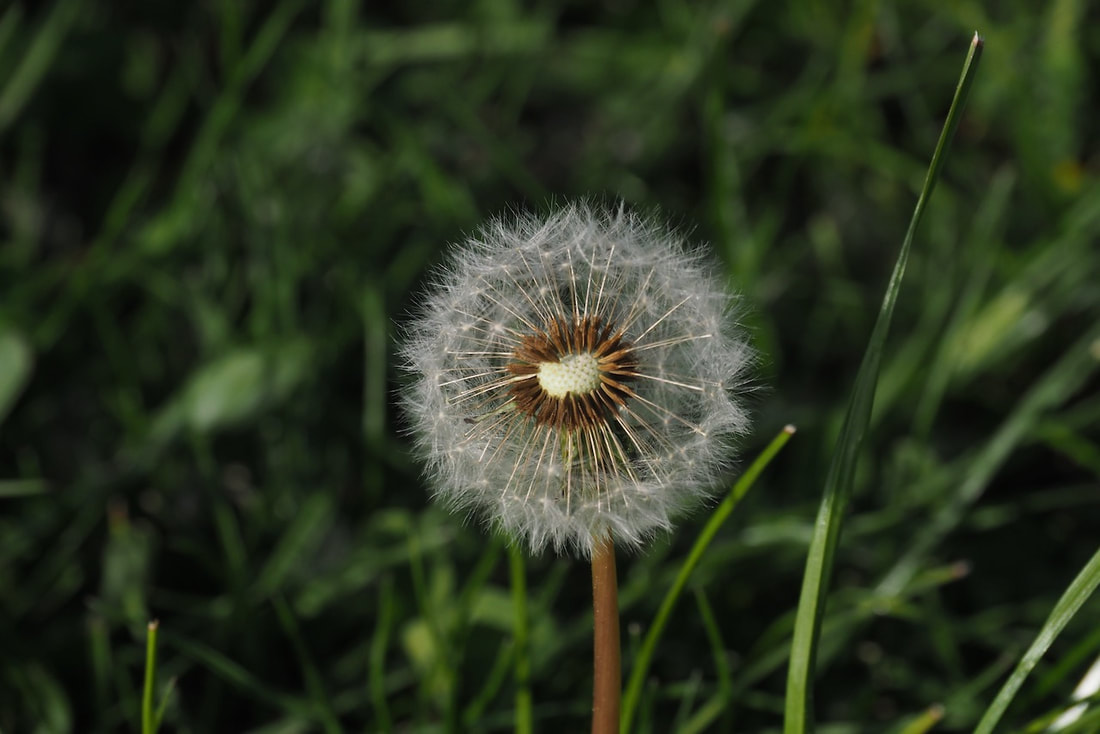
While each of Slovenia's 24 culinary regions has its own specialties, we decided to explore the tastes of Pomurje this weekend. Spring is the time when nature awakens all its colors and scents, so we decided to spend part of the weekend in nature. A stroll through meadows, breathing in fresh air, observing flowers, and of course, some food along the way—this was our plan!
Picture
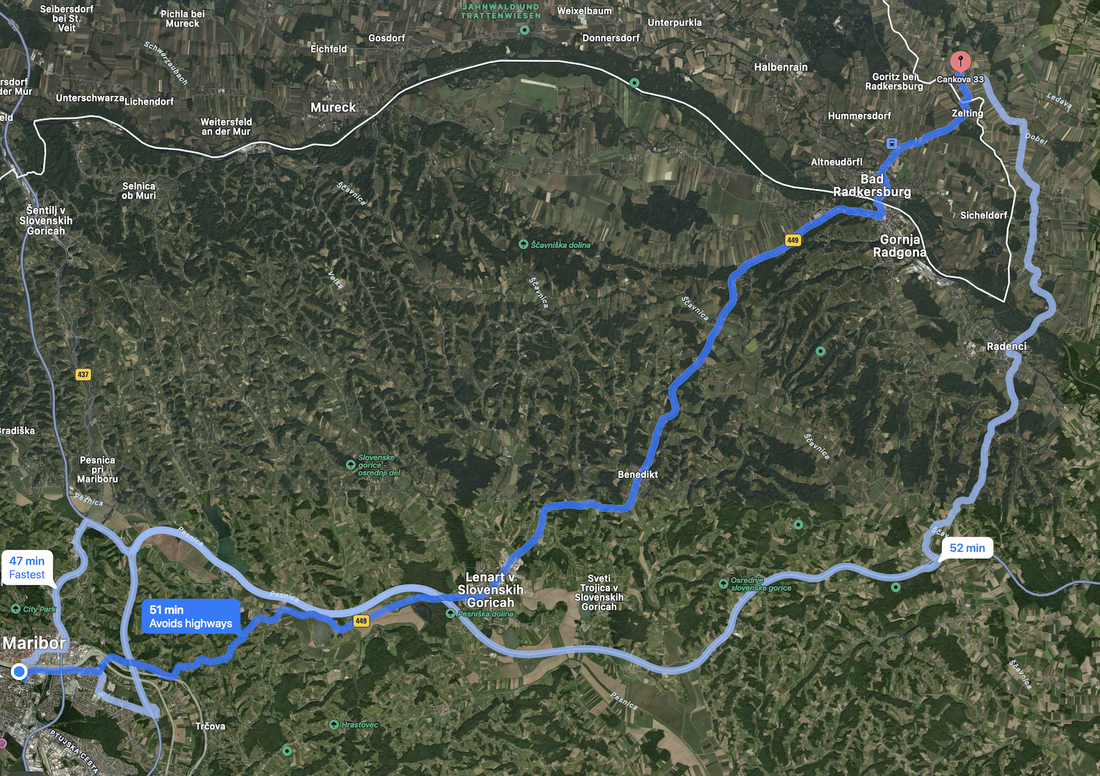
As a family, we started our journey a bit more relaxed this time and set out in the early afternoon. Mom was partly to blame for her morning obligations (work), and of course, we children were also to blame for taking our time getting ready. So, we decided that our first stop on the road would be for food. Our attempts to make lunch reservations at some tourist farms via phone were unsuccessful due to full capacity, so we opted for a local inn in Cankova.
Picture
Gostilna Ajda is situated right by the state border. To get there, we took a slightly shorter route through Austria. Since being already a bit hungry, that turned out to be an excellent decision! With the help of a friendly host, we easily found some delicious dishes from the original Pokmurje cuisine. Of course, I must mention that the children happily chose their favorite dishes (if there's no fried potatoes on the menu, only pizza satisfies them, and they even got that - a margherita with dough according to the original house recipe, baked in a wood-fired oven), while my wife and I enjoyed more refined flavors.
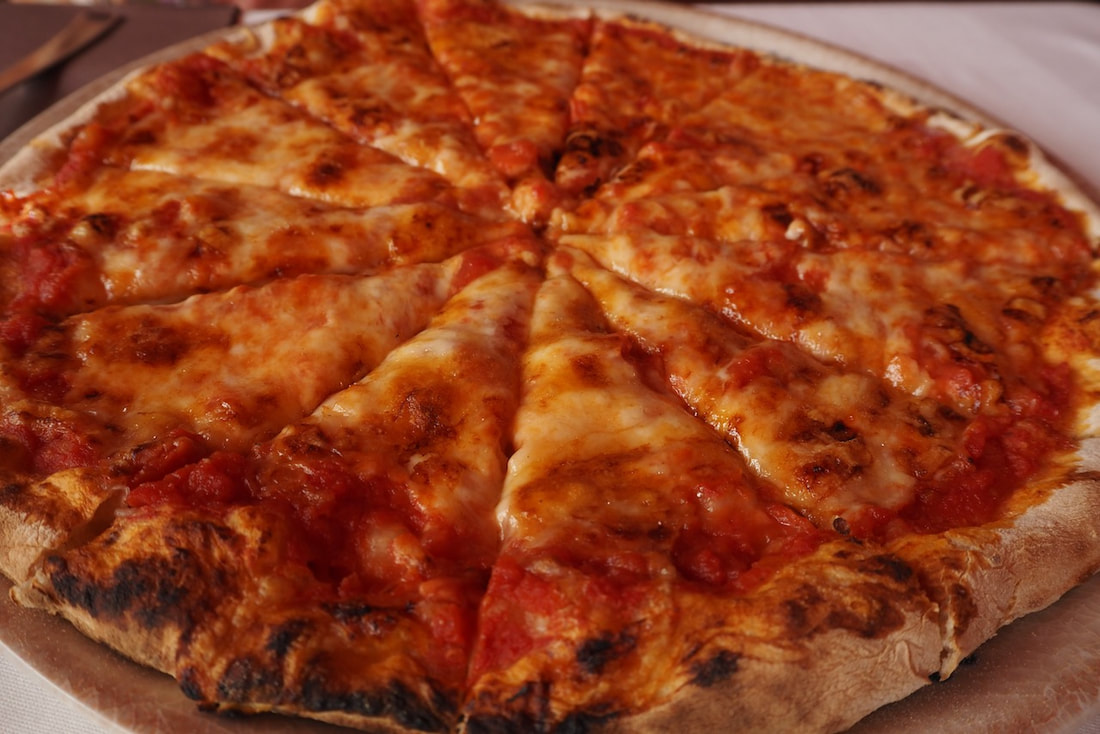
Picture
Picture
When Mom chose “ajdova zdevanka” (buckwheat žganci), the host happily explained that it's a kind of thick pancake made from buckwheat flour filled with cracklings, and baked in a wood-fired oven. When I found out that “pujskov file po cigansko" means pork tenderloin, buckwheat dödöle with sour cream and caramelized onions, I had no more questions. Just a glass of homemade white wine, please!
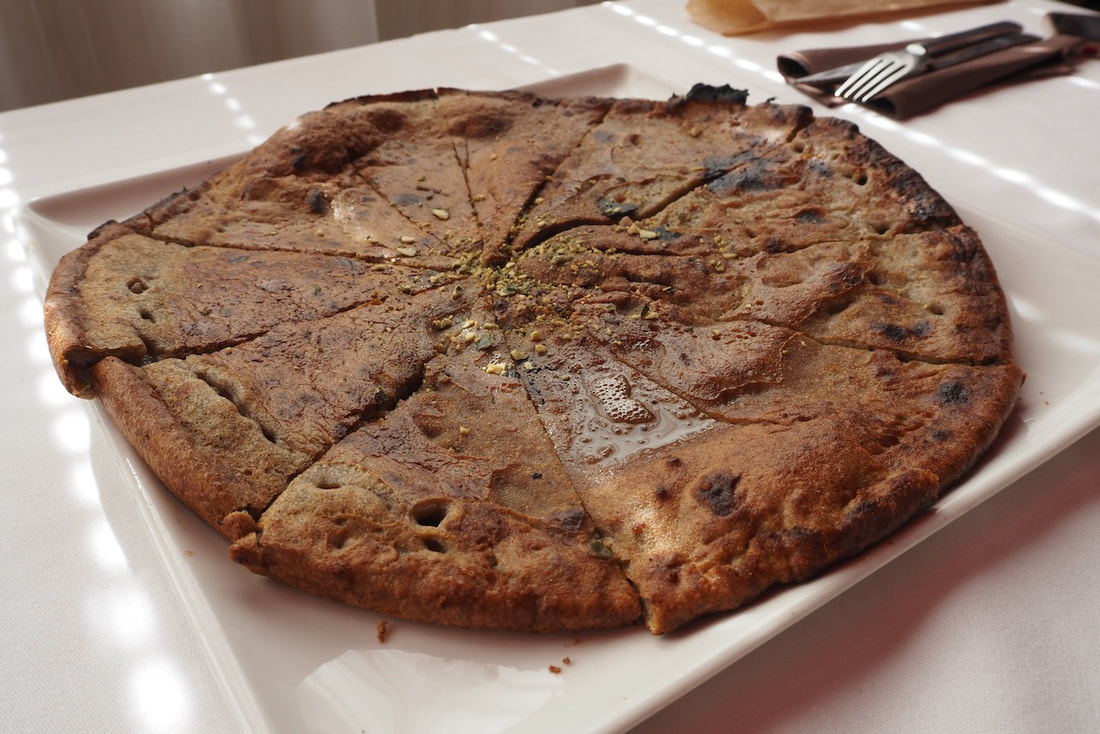
Picture
Picture
Once we finally gathered the strength to get up from the table, let's go sniff some flowers! First, we headed to Lake Ledava, located in the Goričko Landscape Park. We expected plenty of interesting flora and fauna, but we were a bit mistaken. Instead of flowers, we found only fields on both sides of the road. Perhaps we should have realized earlier that every piece of land here is dedicated to cultivation. But we're looking for wildflowers? So, we decided to take a different path.
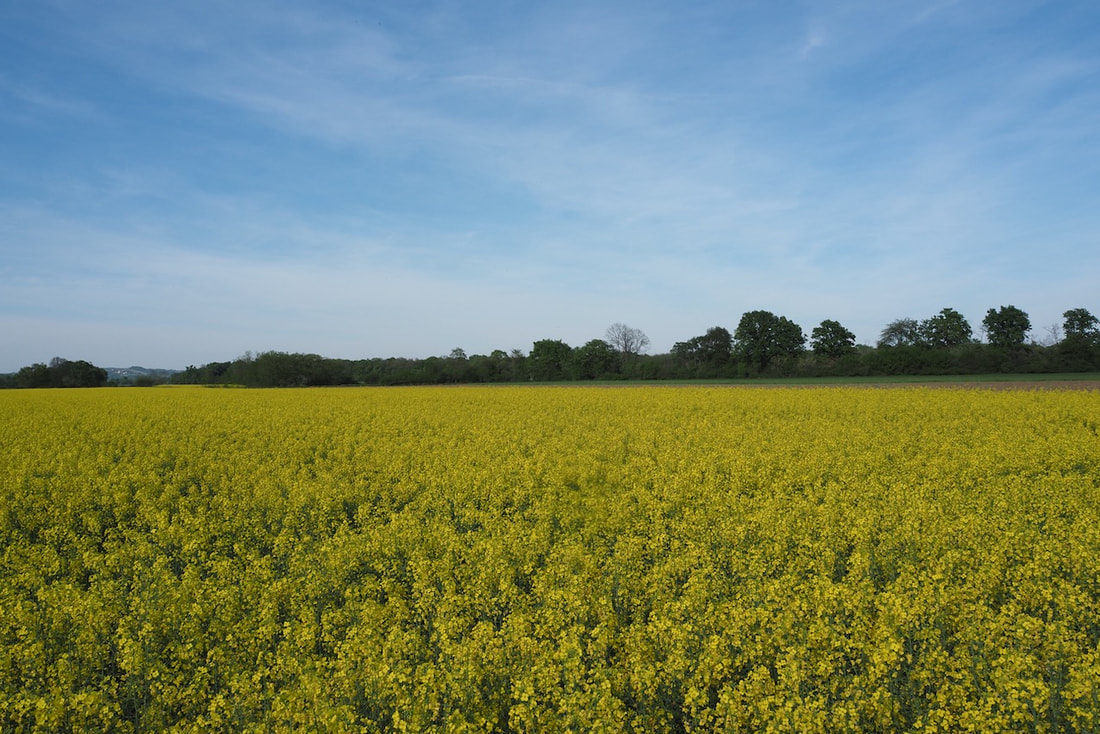
Picture
We followed roads, observing fields of wheat, rapeseed, and much more that we couldn't recognize at this stage of growth. Occasionally we stopped, and as we inhaled the scent of nature (mostly actually manure!), we remembered how different it is in the city. It never smells so strong in the city, but it's more natural here, I comforted myself. And we continued.
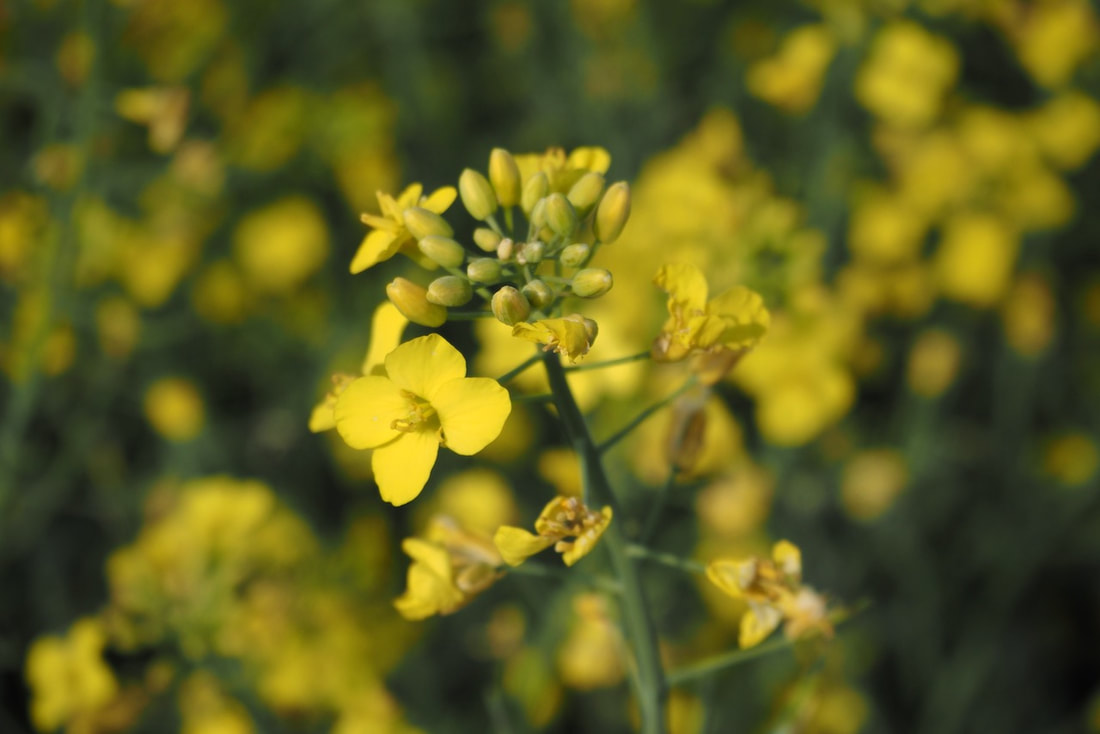
Picture
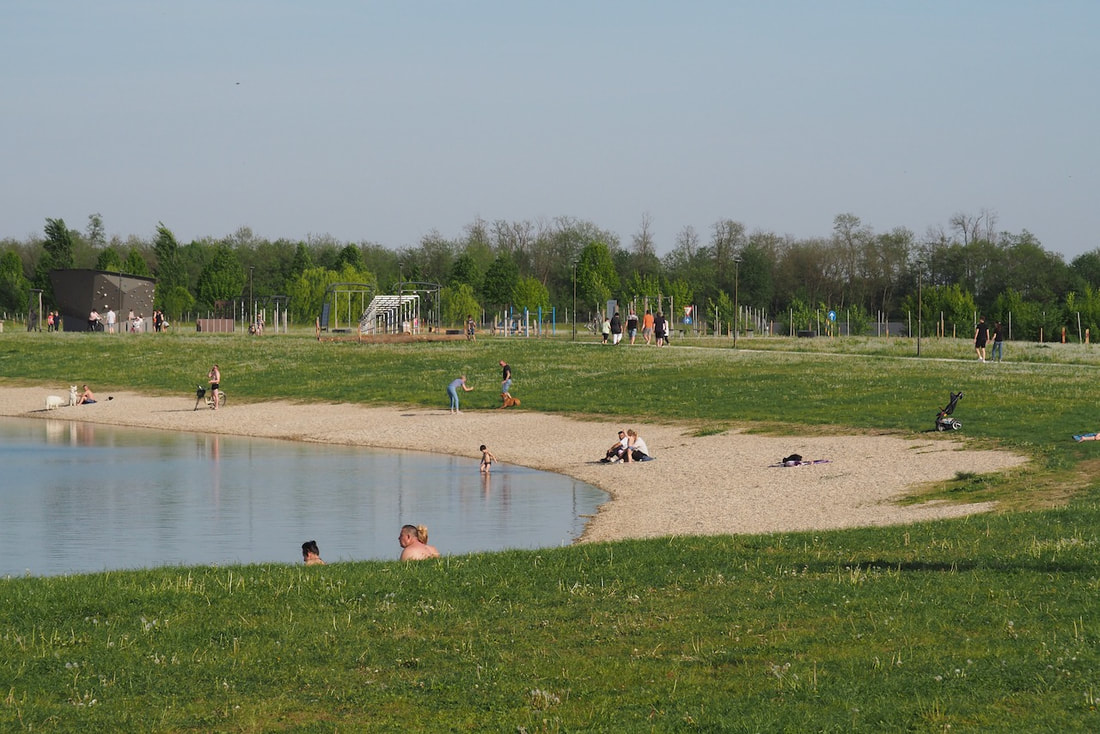
After a few stops and some photography, we were almost on the highway to Budapest, but we unanimously decided that it would be too far ;-) Instead, we stopped at Expano, near Murska Sobota. We had been here several times before, so we opted for a walk around the area. But this time, we were greeted with a real surprise! Despite the warm April sun, we could hardly believe our eyes when we saw some enthusiasts (or maybe lunatics?) who had decided to take a refreshing swim. Yes, the former gravel pit of a local construction company has been transformed into a tourist center with additional programs (exhibition-museum, culinary, dry and water recreation). And there's a lot going on here...
Picture
Picture
Still full from an excellent lunch, we decided on ice cream. Since we didn't find any at Expano, we knew we had to hurry back to Maribor, home. Here, our neighbor from the Lastovka ice cream parlor took care of giving us an additional boost to our mood at the end of the journey.

Gostišče Ajda, Cankova 33, 9261 Cankova, Slovenija
+386 (0)2 540 13 78, +386 (0)31 692 500, +386 (0)31 555 612
[email protected]
http://www.gostisce-ajda-bagola.si/

Expano, Bakovska ulica 41, 9000 Murska Sobota, Slovenija
+386 (0)8 201 53 70
[email protected]
https://www.expano.si/en

Lastovka, Trg revolucije 9, 2000 Maribor, Slovenija
+386 (0)31 744 813

[email protected]
https://lastovka.eu/en/
0 Comments

Festival of Lights 2024 - A Radiant Spring Light Adventure

22/3/2024

0 Comments

 
Picture
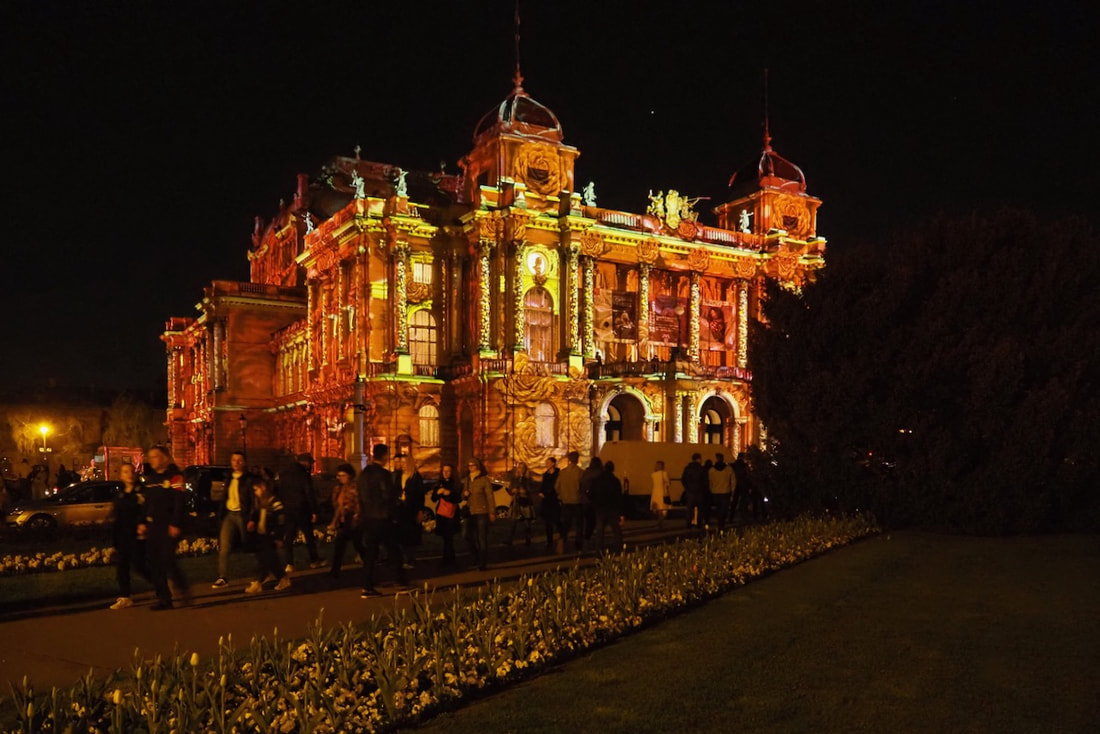
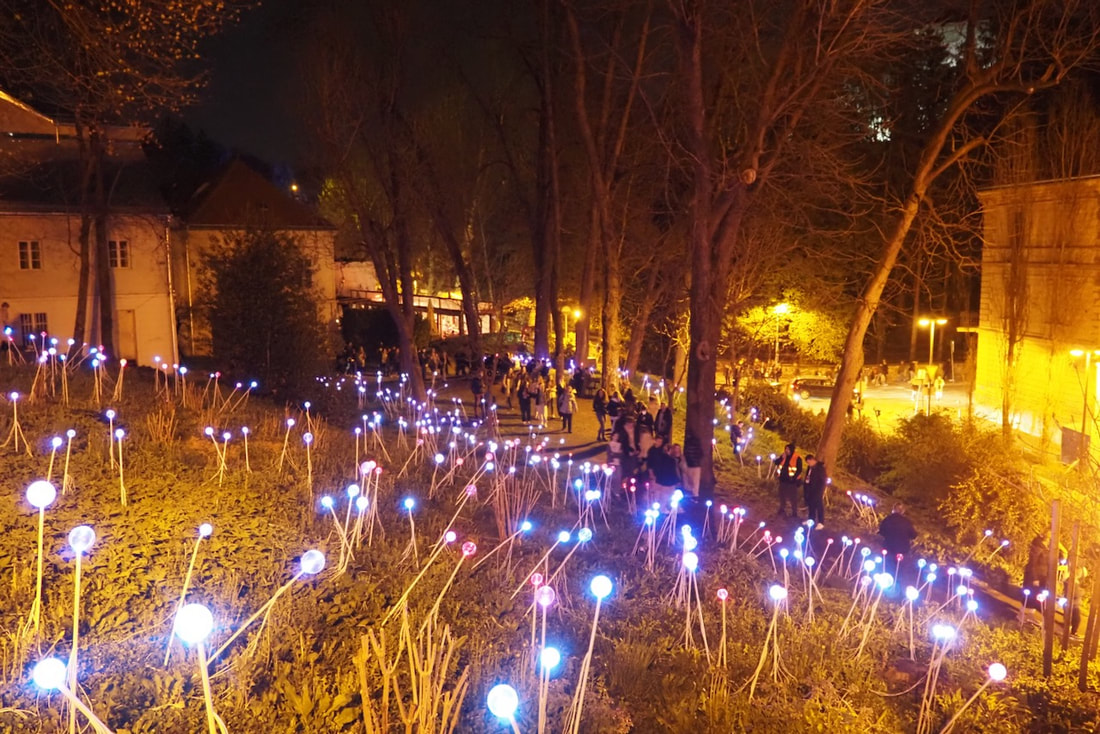
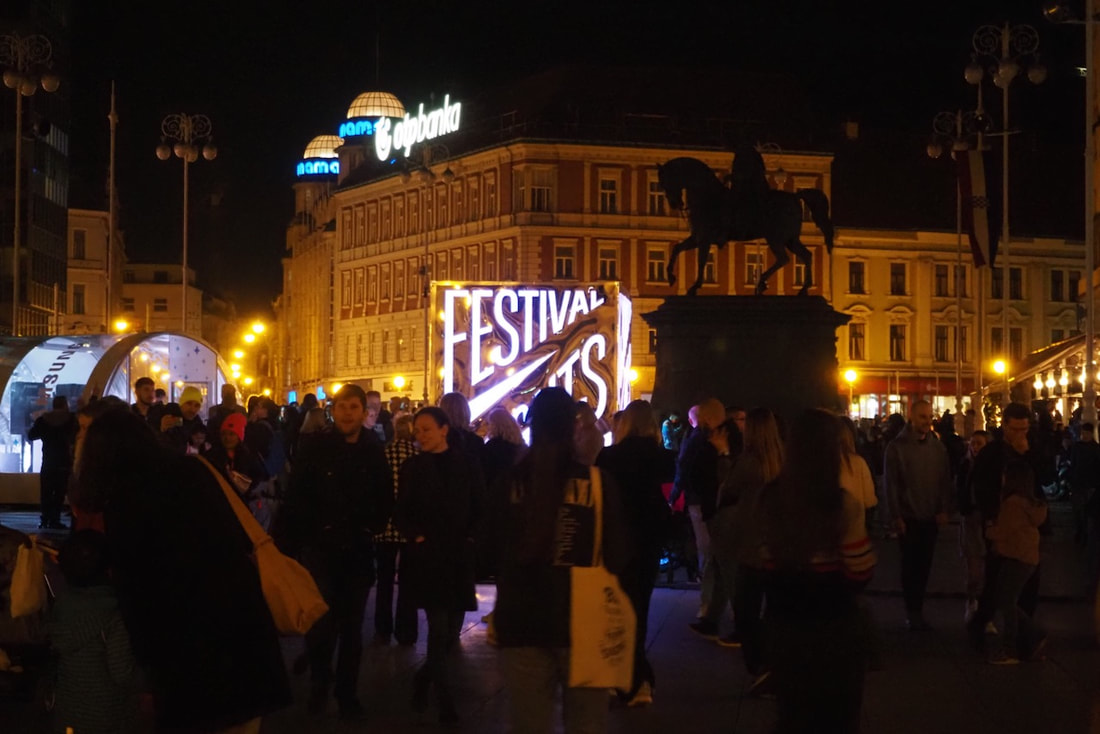
The capital of Croatia has once again shone brightly in the enchanting glow of the international festival of lights for the sixth consecutive time. The Spring Festival of Lights in Zagreb may not yet rival the popularity of Christmas markets or festivals along the Adriatic coast, but it still draws visitors with its unique magic. Visitors were offered an insight into the city's cultural richness, the intertwining of tradition and modernity, and artistic creativity.
Picture
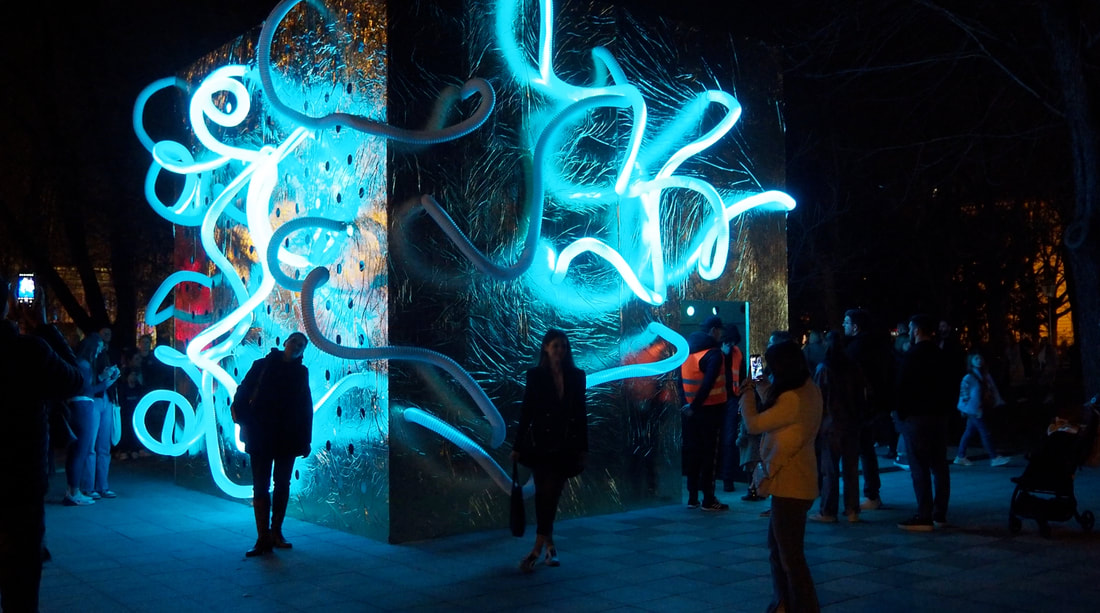
Although Zagreb, as the capital of Croatia, has only begun to gain more tourist recognition in recent years, the Spring Festival of Lights has already become one of the city's most prominent events. The lights, which illuminated the city in all their dazzling beauty, were installed by international artists. They came together from various European countries to create this magical experience for visitors.
Picture
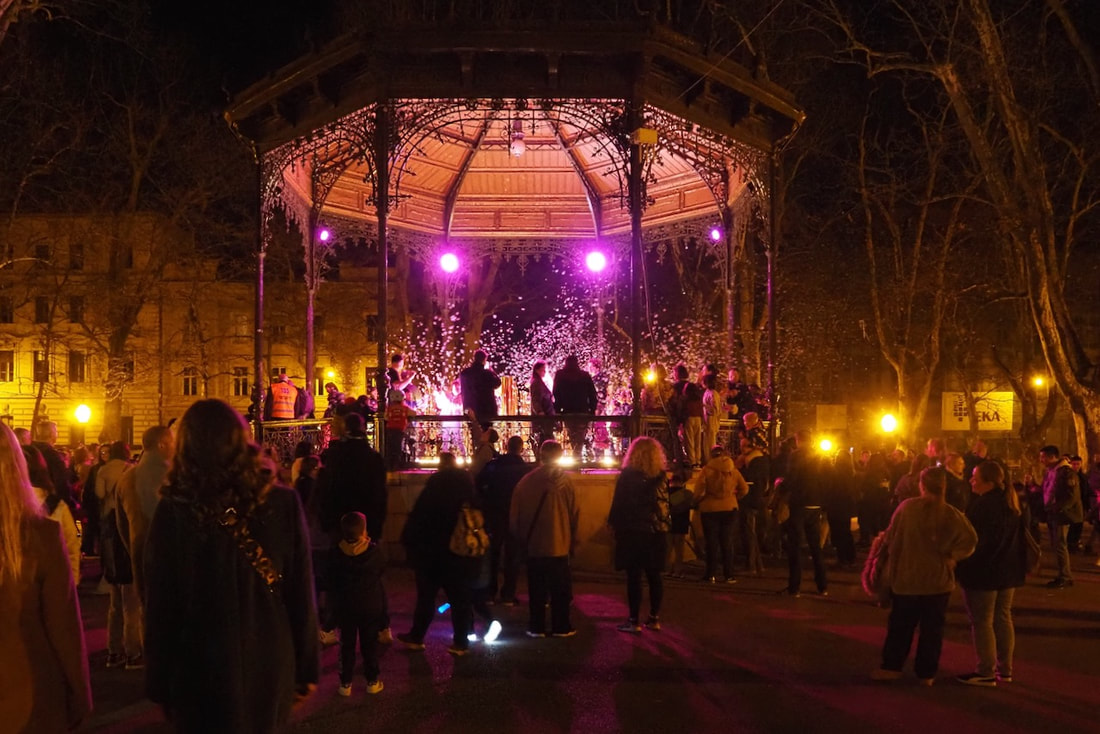
During this multi-day (-evenings) event, the streets and parks of Zagreb were aglow with light and color. A stroll through the city felt like a journey through a fairy tale land, where walkers encountered new surprises with every step. The light installations, placed along the streets, in squares, and in parks, were like magical portals to another world. Each of the festival's venues was unique, inviting visitors of all ages to explore the light sculptures with curiosity and delight.
Picture
Visitors had the opportunity to merge with the light installations and become part of the artistic expression. Children, in particular, were thrilled by how light transformed into different shapes and colors, sparking their curiosity and creativity.
Picture
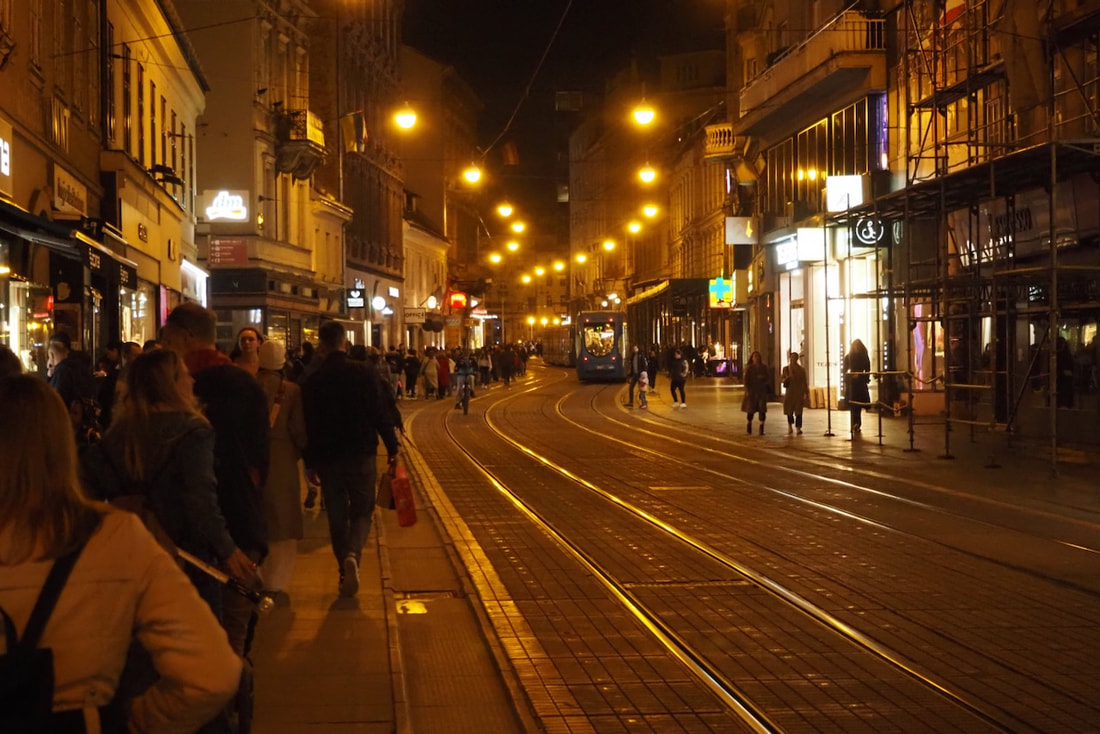
Regardless of the nature of the visitors (whether art enthusiasts, families, or simply curious travelers) the Spring Festival of Lights in Zagreb was an unforgettable experience. In the heart of the Croatian capital, it provided opportunities to create precious memories and inspiring moments. With its unique blend of culture, art, and light, the festival undoubtedly attracts audiences from both near and far. The city streets were packed deep into the evening. All this hustle and bustle over successive evenings represent an indispensable part of Zagreb's spring event lineup.
Picture
0 Comments

Enchanting Fusion of Slovenian Tradition and Tourism

27/8/2023

0 Comments

 
Picture
Slovenia is a small enchanting country that has long been ranked among popular tourist destinations. It also plays a significant role in the international sustainability community; its destinations and providers are strongly involved in the Green Scheme of Slovenian Tourism, and consequently, in Green Destinations as well. It captivates visitors with its natural beauty, rich cultural heritage, and exceptional hospitality. In the Slovenian economy, tourism plays a crucial role, contributing to job creation, revenue growth, and the promotion of everything this picturesque land offers. Diverse forms of tourism, such as cultural, natural, adventure, and culinary tourism, allow visitors to delve into various facets of Slovenia.
In this blog post, I'm introducing one of the hidden gems of Slovenian tourism - tourist farms. While not as prominent as bustling cities or the most renowned attractions, these farms possess a unique charm. A visit to a tourist farm embodies both a modern trend and an immersion into rich tradition.
Despite more than half of Slovenians residing in urban areas, Slovenia presents itself as an open landscape (at least at first glance). Slovenian agriculture holds greater emotional than economic significance, as the intertwining of tradition, culture, and nature remains prevalent in rural life. Unfortunately, in recent decades, agriculture has encountered numerous challenges, hence the necessity to seek new means of survival and maintain its role in the modern world. Enter tourist farms - a role ideally suited. This innovative concept merges traditional agricultural activities with tourism.
Picture
Tourist farms represent a fusion of rural life and unique experiences for visitors. In doing so, they not only revitalize the economy of local communities but also preserve heritage and tradition while promoting sustainable development. On these farms, guests can immerse themselves in the daily life of a farmer, learn about food production processes, and relish authentic flavors of homemade dishes crafted from fresh ingredients grown on the very farm.
Tourist farms are a form of rural tourism that operates under specific conditions. Four types of farm tourism are distinguished:
Tourist Farm with Accommodation offers guests the opportunity to stay on the farm with provisions for meals or apartment rentals.
Excursion Tourist Farm provides guests with hot and cold meals and beverages.
Wine Cellar (Vinotoč) offers cold snacks, wine, and non-alcoholic beverages.
"Osmica" (Temporary Wine Tavern) offers wine, non-alcoholic beverages, three locally characteristic hot dishes, cold snacks, bread, and pastries.
Camping Space as the name suggests, it provides guests with camping facilities on the farm.
These diverse offerings on tourist farms cater to various preferences, making them an integral part of the Slovenian rural tourism experience.
To visit Slovenian tourist farms, it's necessary to make arrangements in advance. Excursion tourist farms and wine cellars are generally open only on Fridays, Saturdays, Sundays and holidays. "Osmice" also follow the tradition dating back to the time of Maria Theresa's monarchy and can be open twice a year for up to ten days.
In the next part of this blog, we will delve into one of these charming excursion farms, which serves as a perfect example of how tradition intertwines with innovation in the welcoming embrace of the Slovenian countryside. Get ready to uncover the secrets offered by this unique farm and to get to know the people and stories behind it. So, let's finally set off to our destination for today!
Picture
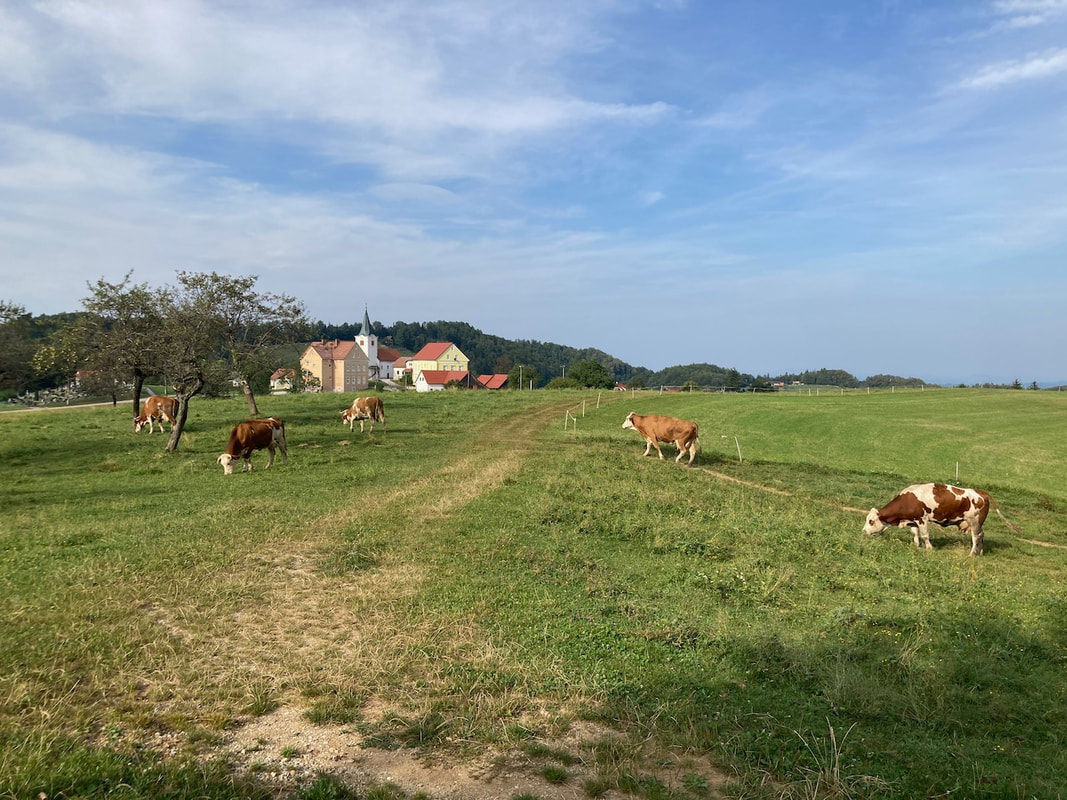
Koren Farm by Korošec is located along the Maribor Wine Road on Kozjak, in the immediate vicinity of the idyllic village of Gaj nad Mariborom. It's tucked away from the urban hustle and bustle, nestled in the embrace of nature.
Picture
Picture
Picture
Picture
We've been visiting this excursion farm for years. They offer both hot and cold dishes along with beverages. On weekends, they serve home-cooked lunches, and during winter, they prepare traditional pig slaughter dishes.
Picture
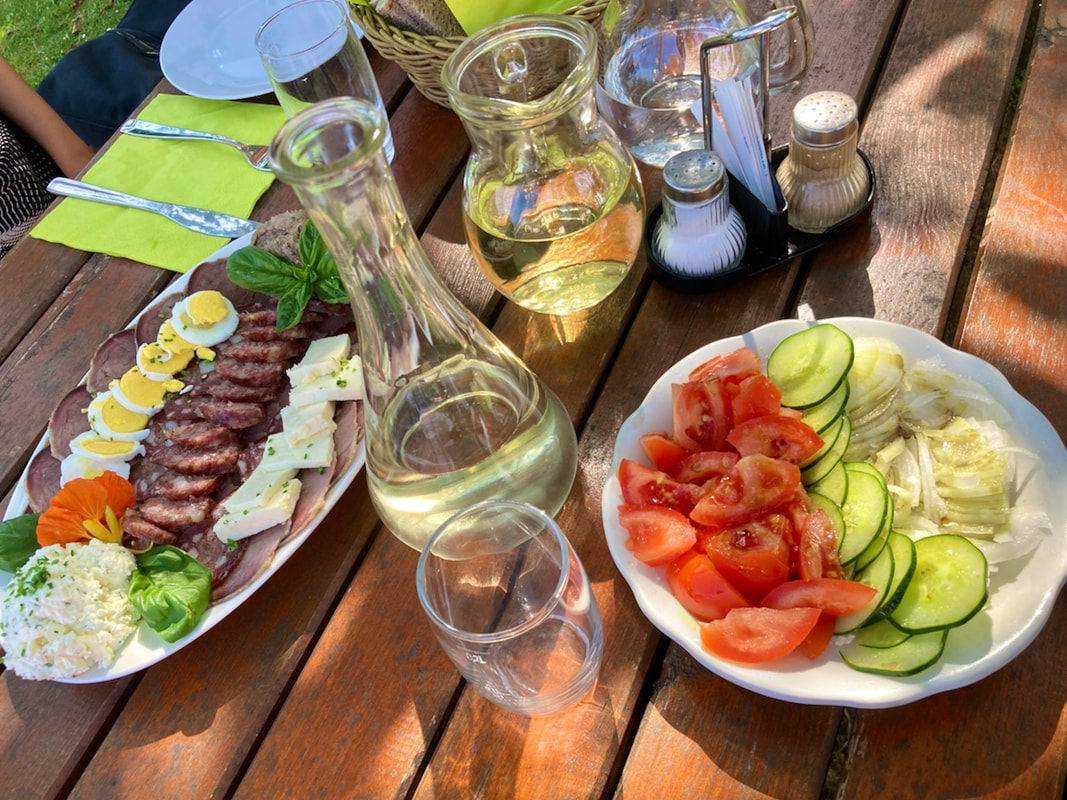
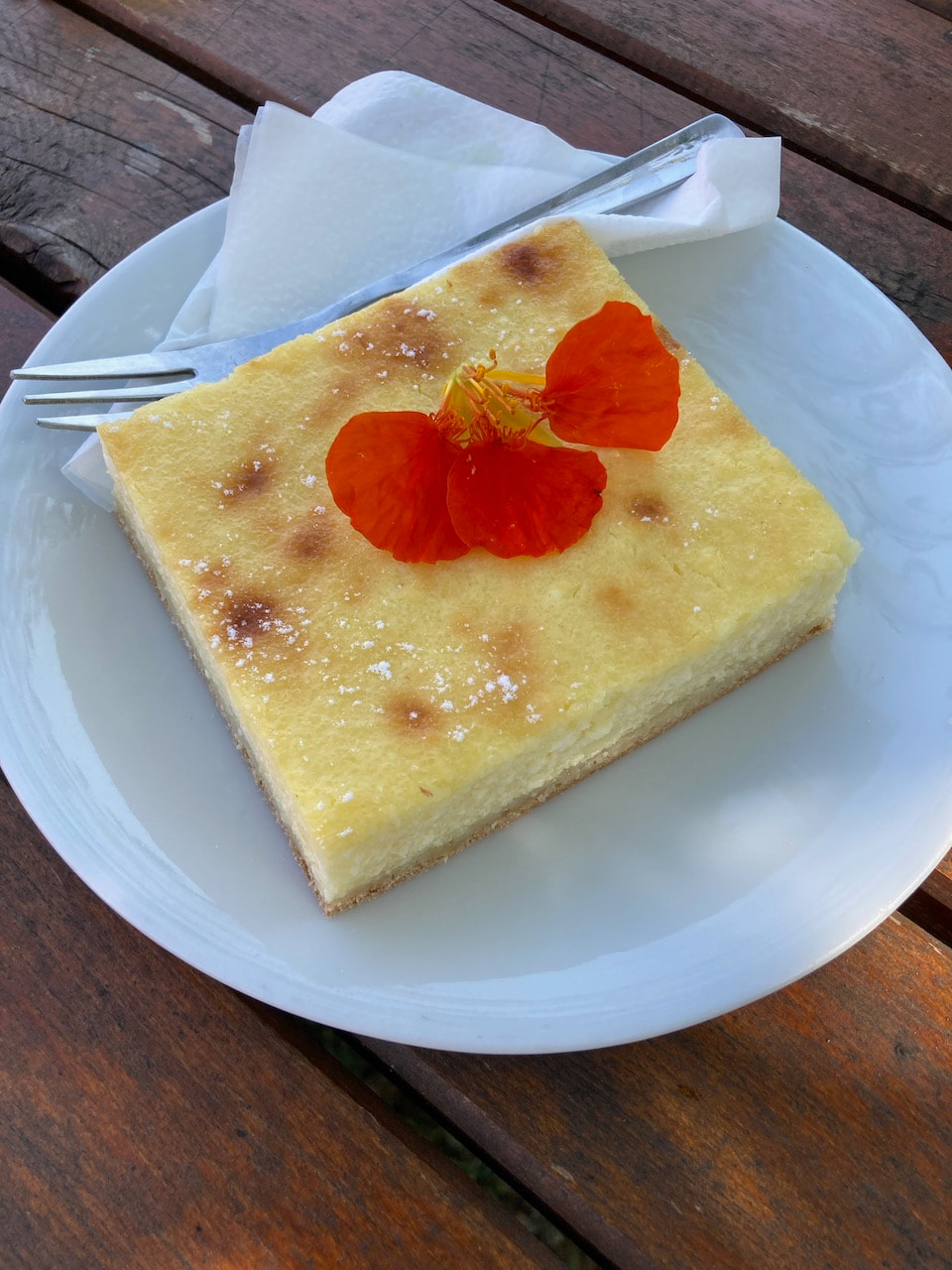
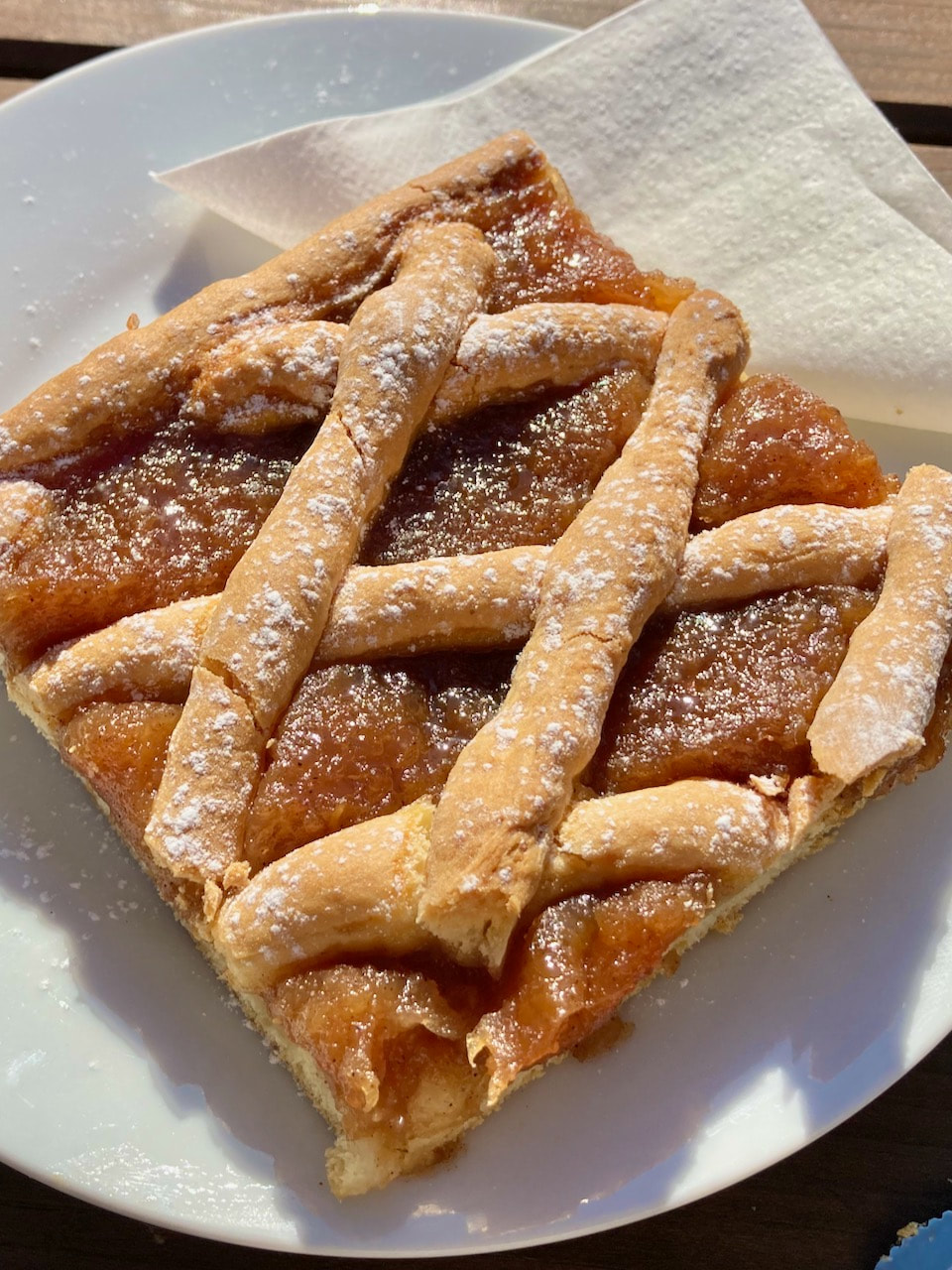
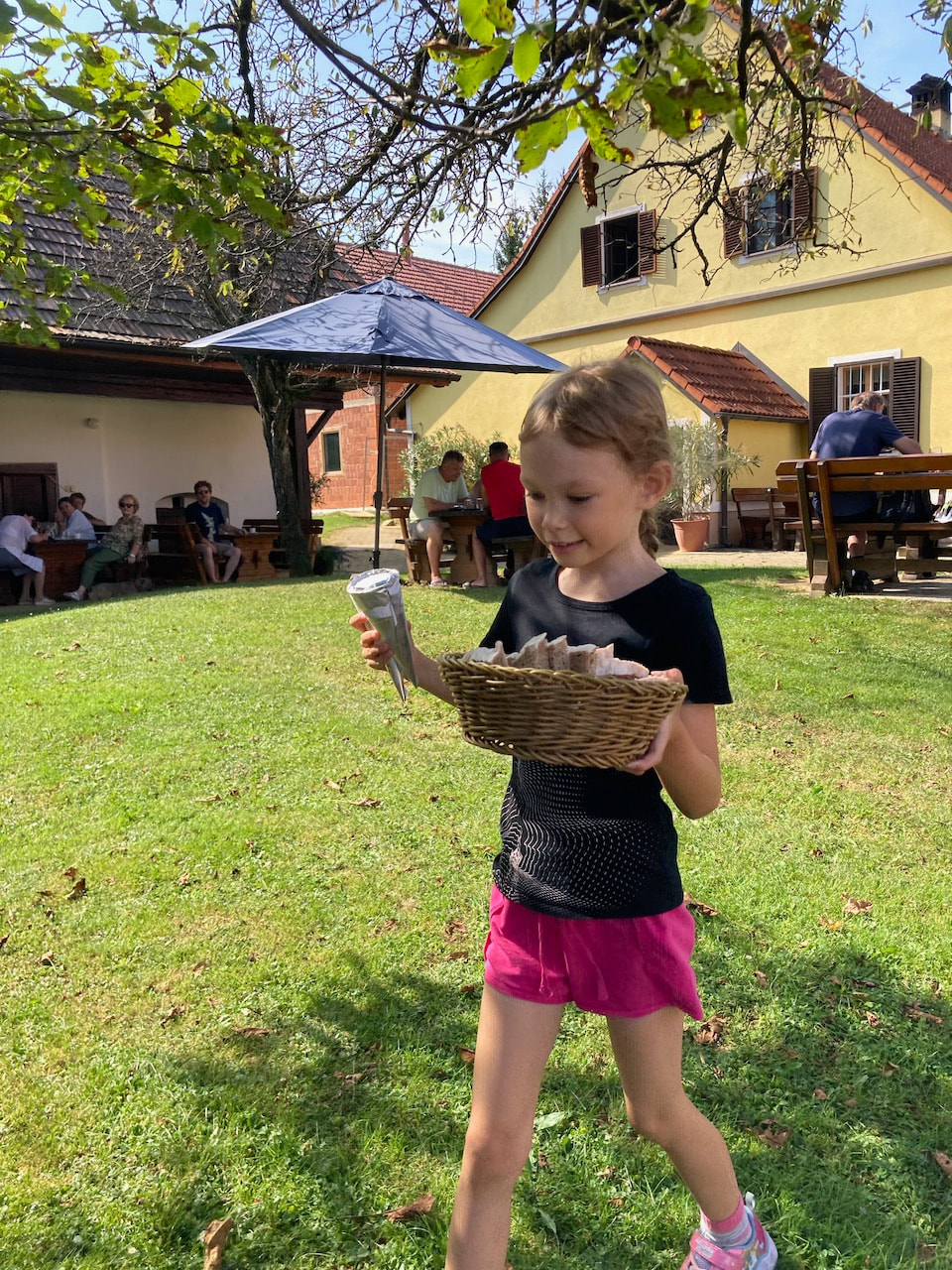
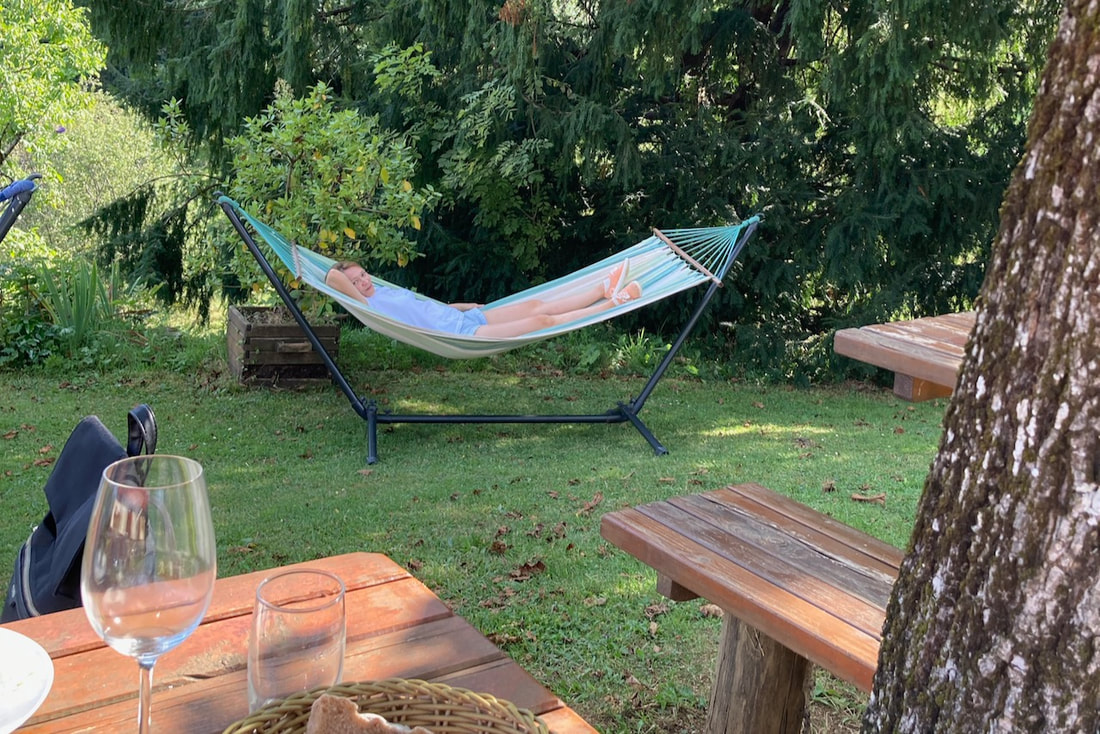
This Sunday, on a wonderfully cloudless summer afternoon, with the temperature soaring above 35º C, we were convinced to find a table under the shade of the walnut tree. As usual, my wife and I craved a local platter and a glass of sweet Muscat wine, brought by the host from their 140-year-old wine cellar. The kids, with their sweet tooth, also opted for a cheese-filled gibanica pastry (though sometimes they prefer apple pie).
Picture
Picture
Picture
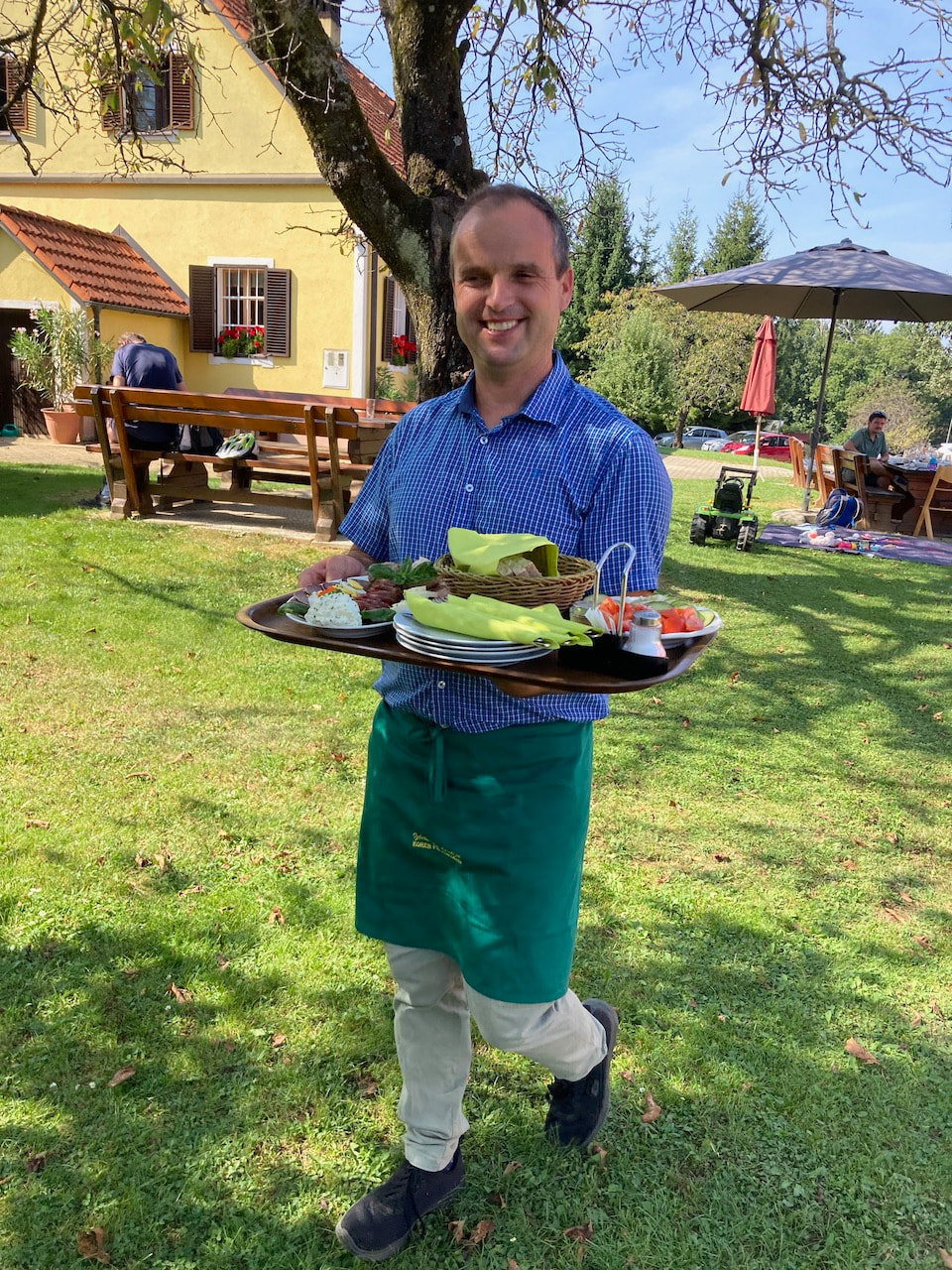
Heartwarming hospitality comes naturally to all three generations that consider the Koren Farm their home. Their affection for the well-maintained estate and their welcoming attitude toward visitors deserves admiration. Perhaps their involvement in one of the tourism programs will bring them even greater recognition. In truth, I'd rather see "our farm" remain our secret, but that hasn't been the case for a long time.
Picture
Picture
The younger members of our family were eager to get better acquainted with the domestic animals, but these had their tasks and paid them no mind.
Picture
At the farm we felt so at home that we've already arranged for a visit this autumn, when they'll treat us to roasted chestnuts and new wine. This time as well, we didn't rise from the table until there was nothing left to indulge in. Some even managed to sneak in a nap in between bites ;-)
Picture
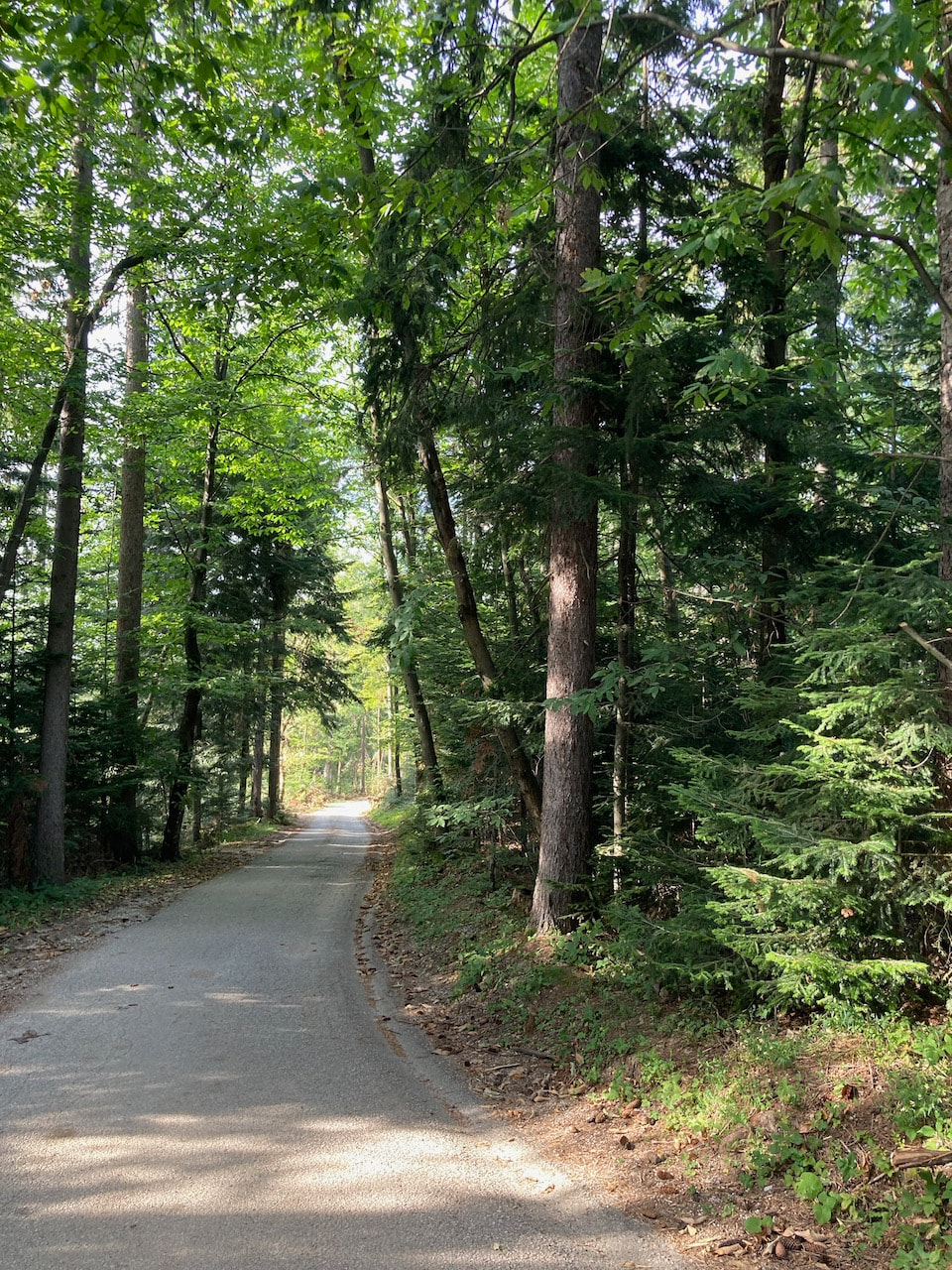
After all the goodness, it was a bit difficult to set out for a walk. The road to Tojzlov Vrh passes by the farm, so we decided to make it as our own. I console myself with the thought that we admired nature, lamented the aftermath of a natural disaster, and even got in some exercise along the way, since we didn't quite make it to the top ;-)
Picture
Picture
Picture

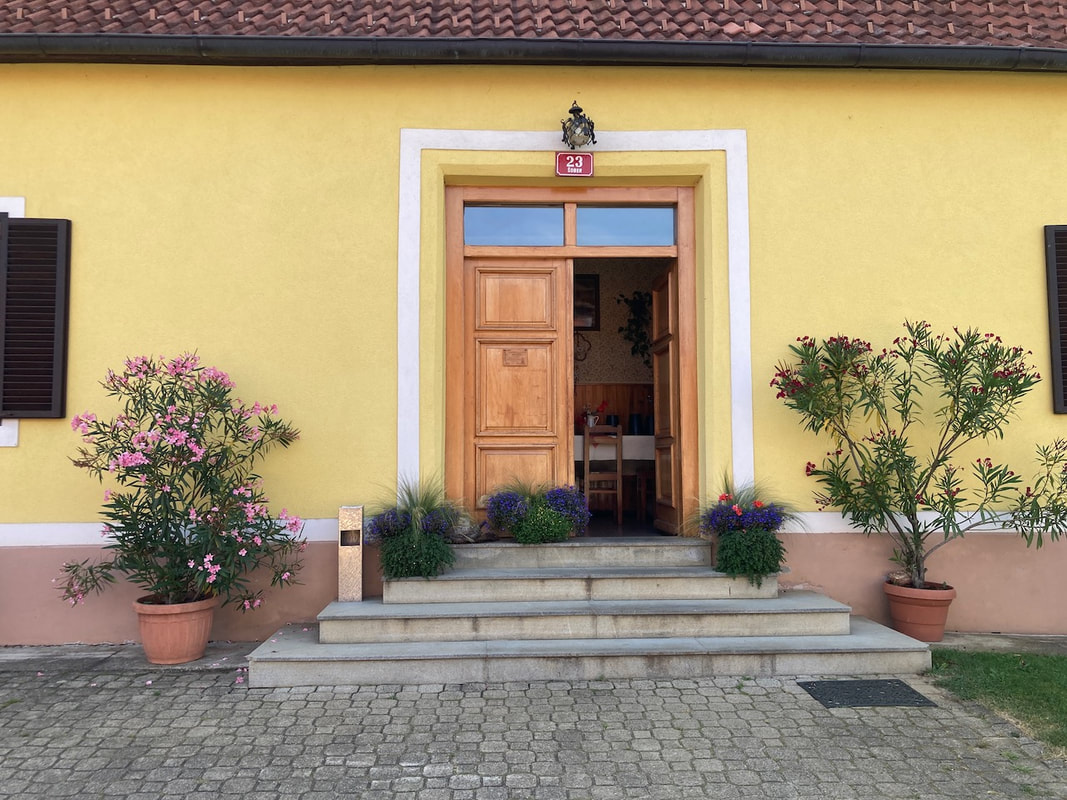
Izletniška kmetija Koren pri Korošcu, Šober 23, Bresternica, Slovenija
+386 (0)31 735 030, +386 (0)2 656 06 91
[email protected]
https://www.turisticnekmetije.si/kmetija/koren-pri-koroscu
0 Comments

3 places in Central Dalmatia truly worth visiting (part 4 of 4)

26/8/2023

0 Comments


Primošten

Picture
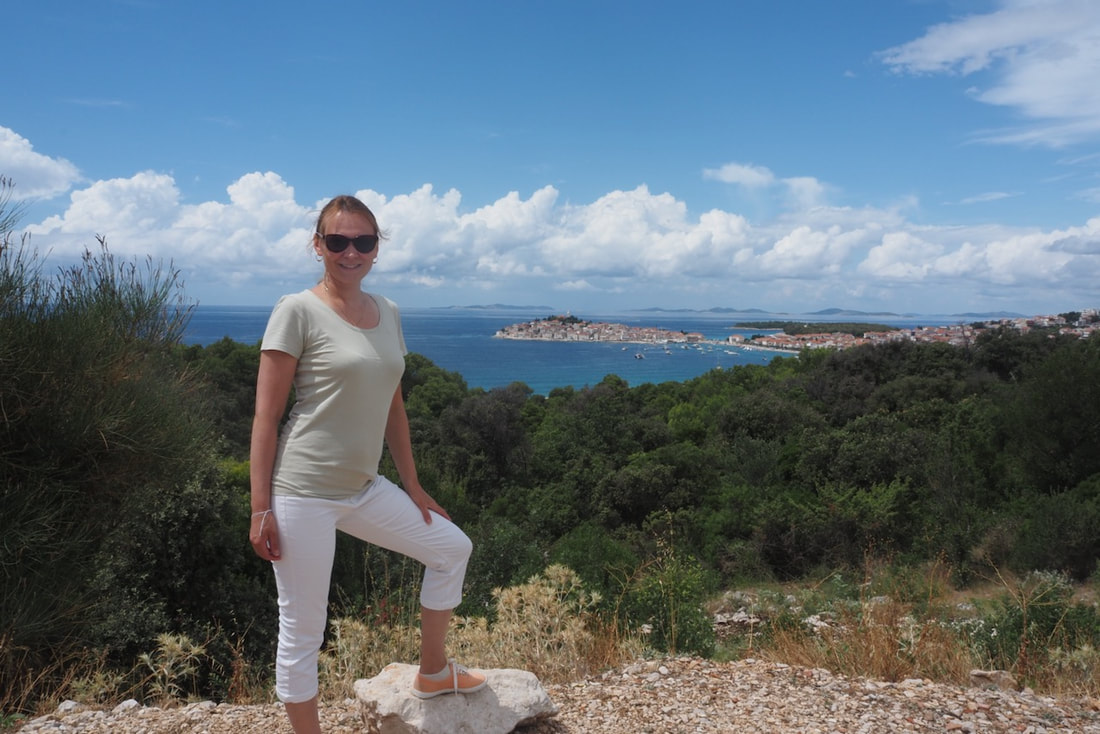
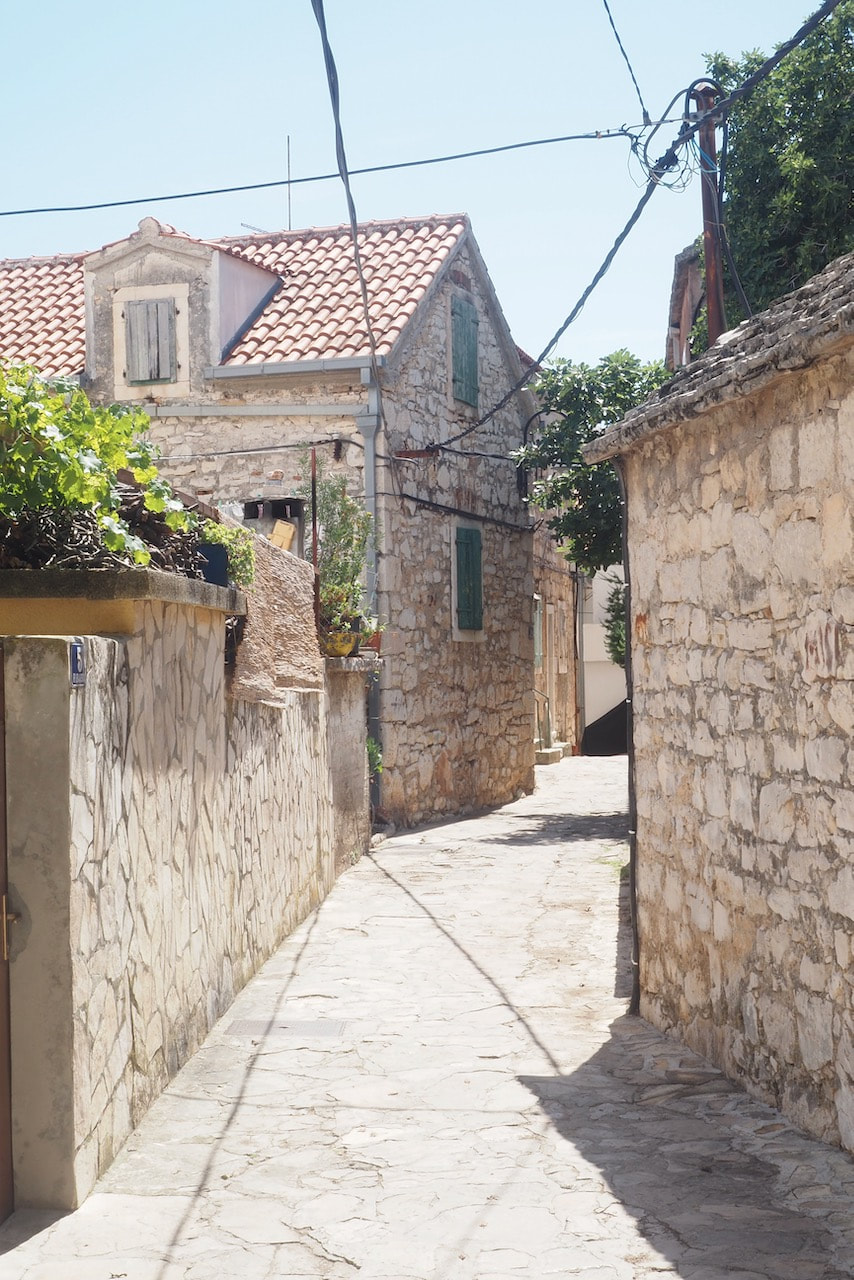
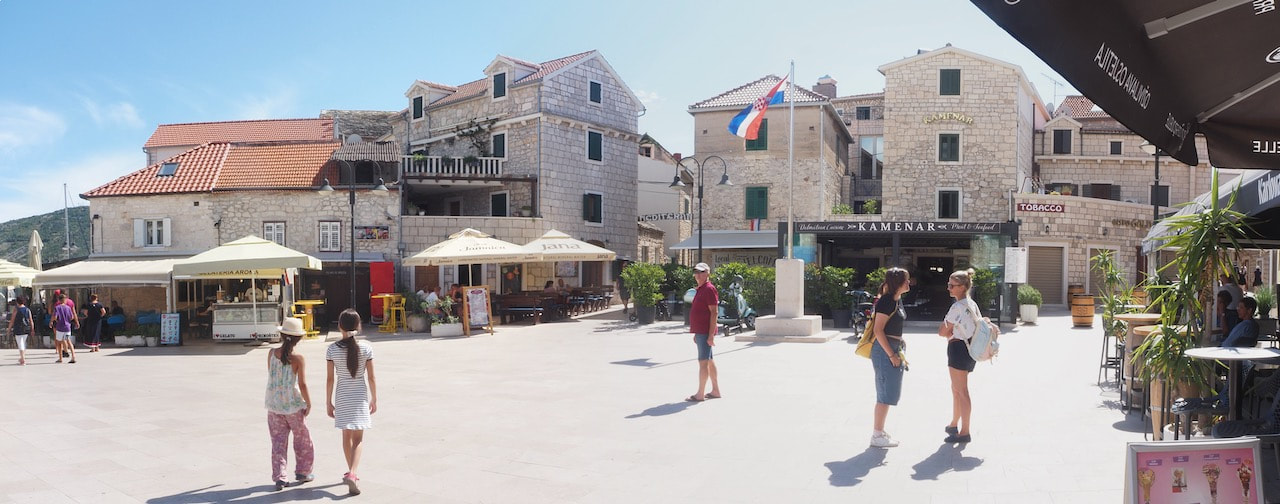
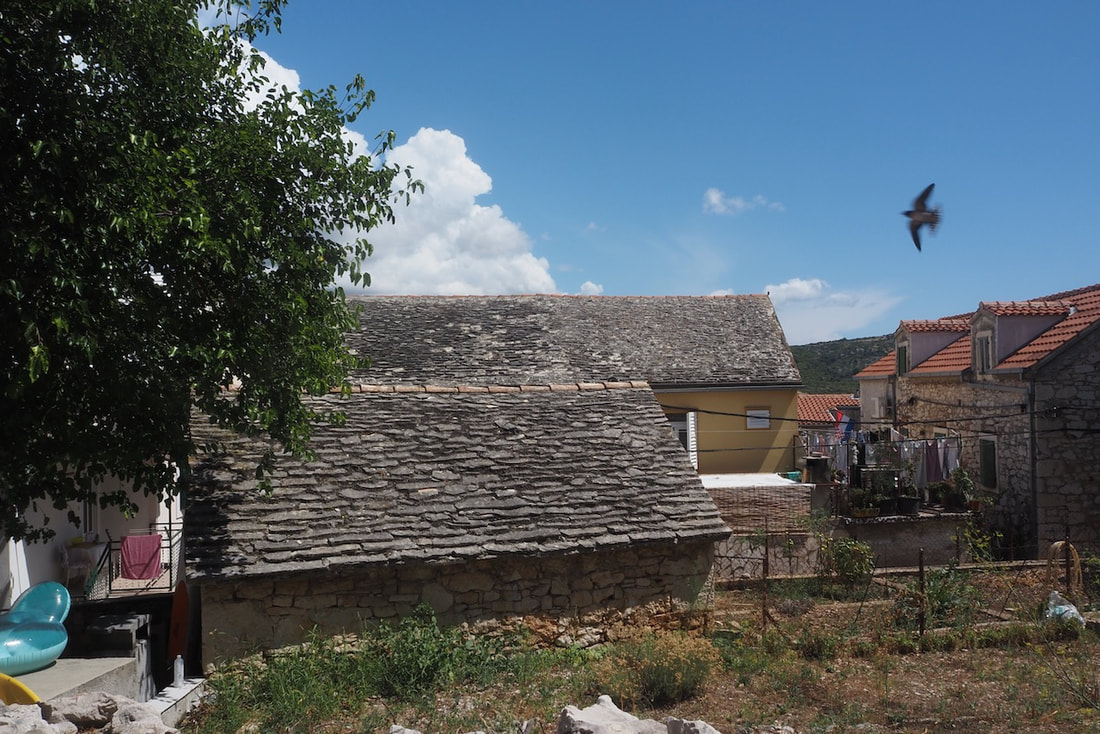
Primošten, a picturesque Dalmatian town, captivates visitors with its medieval atmosphere. Charming stone houses, narrow streets, and stunning sea views create a romantic backdrop for a relaxing vacation.
Picture
Picture
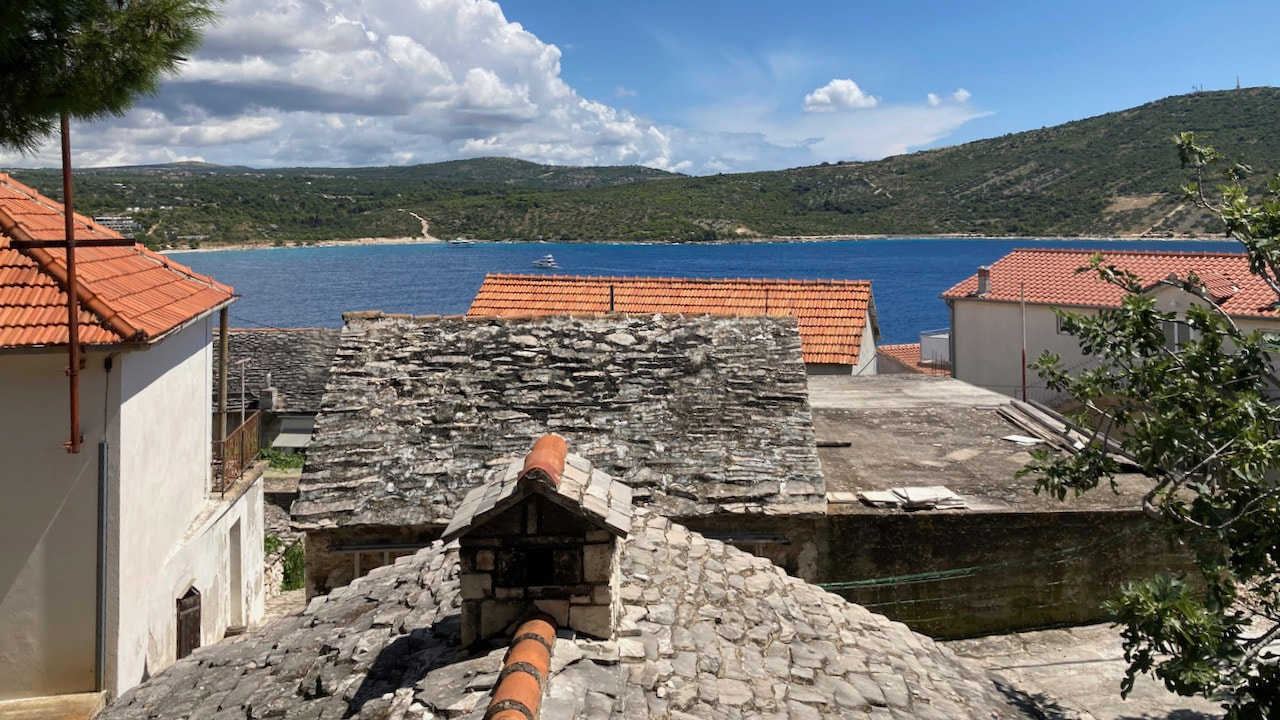
The idyllic Primošten, a beautiful fishing settlement, enchants with its rich historical heritage and authentic Mediterranean charm. Situated on a peninsula along the Adriatic Sea, this stunning town is a true gem. Its stone houses in narrow alleys preserve its unique identity, bearing witness to the medieval history of Dalmatia and creating a distinctive atmosphere for visitors seeking to enjoy the magical Adriatic environment.
Picture
Primošten's history dates back to ancient times when Greek and Roman inhabitants settled here. In the Middle Ages, Primošten developed as a defensive settlement built on a hill. Its strategic position provided an excellent vantage point over the sea and the surroundings. Walls and towers played a crucial role in protecting Primošten from attacks and piracy.
Picture
Picture
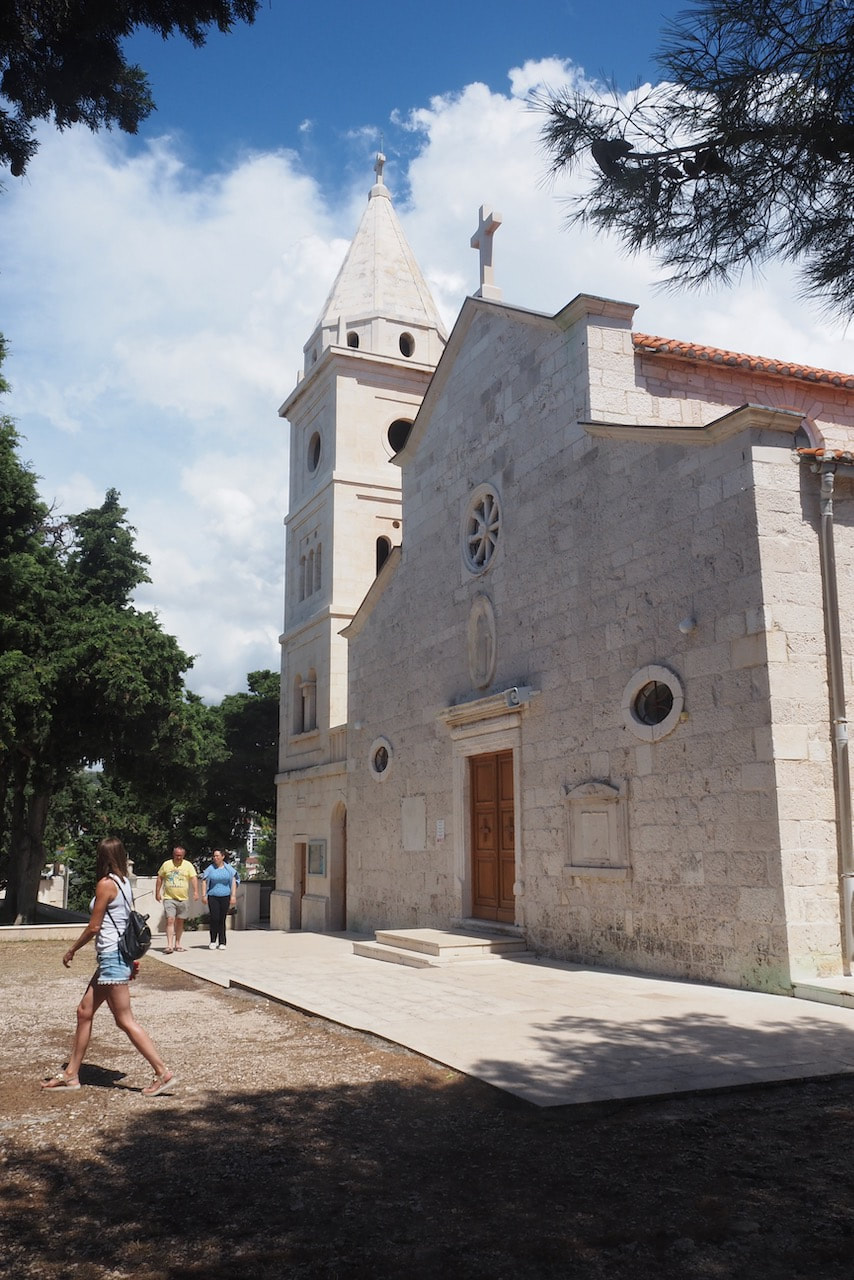
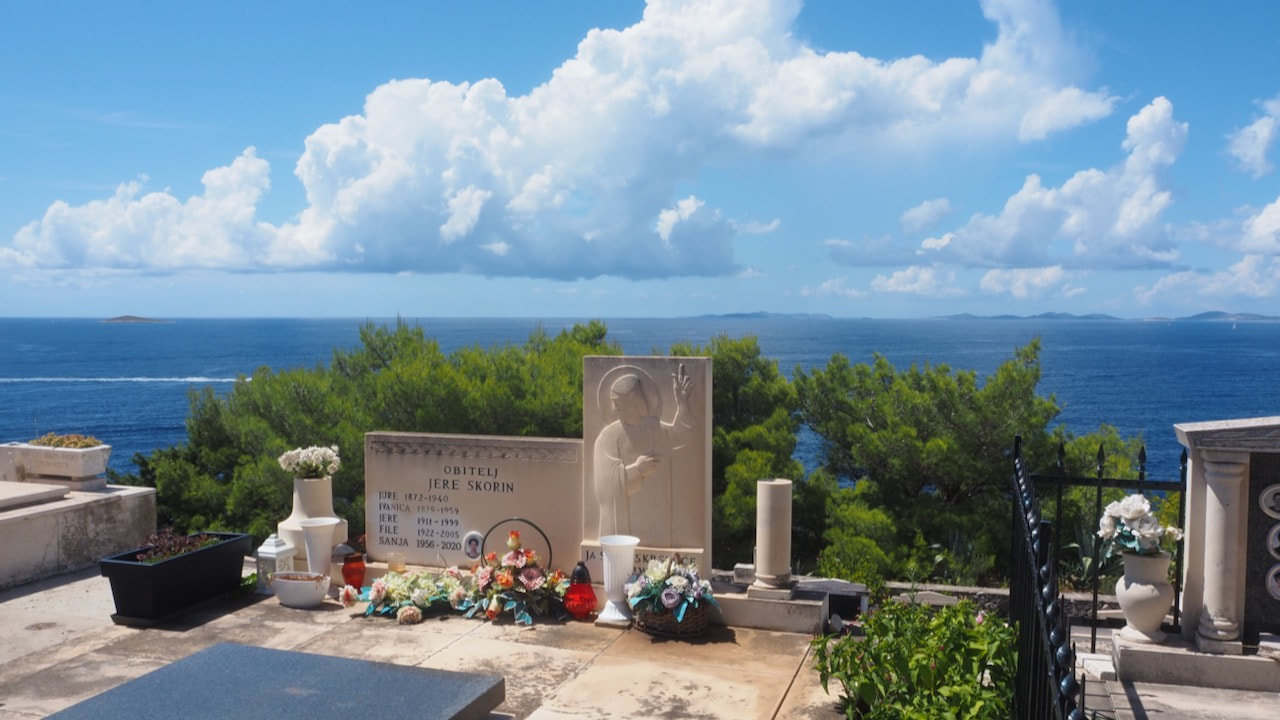
The centerpiece of Primošten is the stone church of St. George, its predecessor having been built atop the hill in the 15th century. The church is surrounded by a park and a cemetery that cover the entire tip of the peninsula. From here, a breathtaking view of the coastline and islands unfolds. Well, this actually seems like a pleasant place for eternal rest, doesn't it?
Picture
Picture
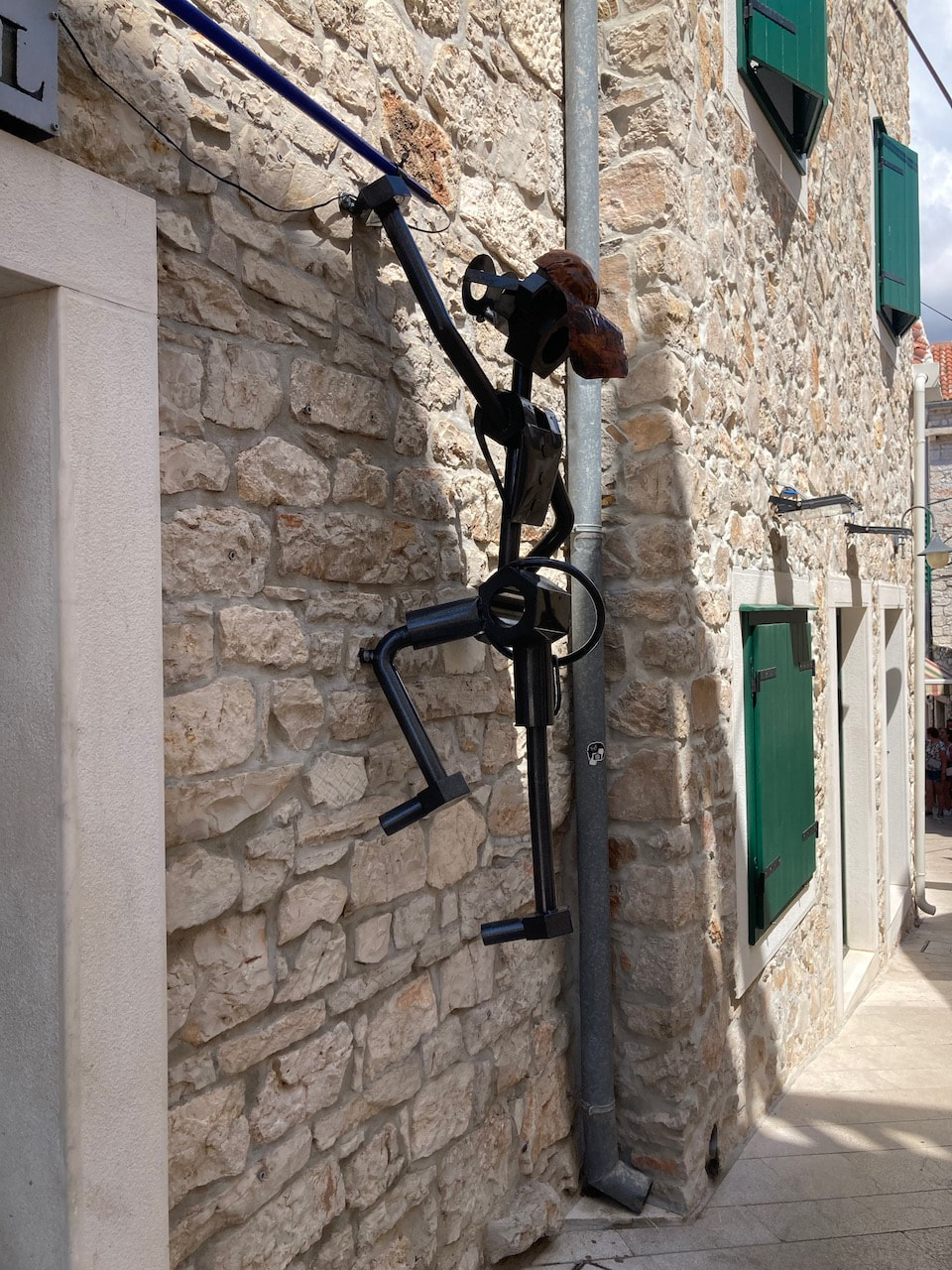
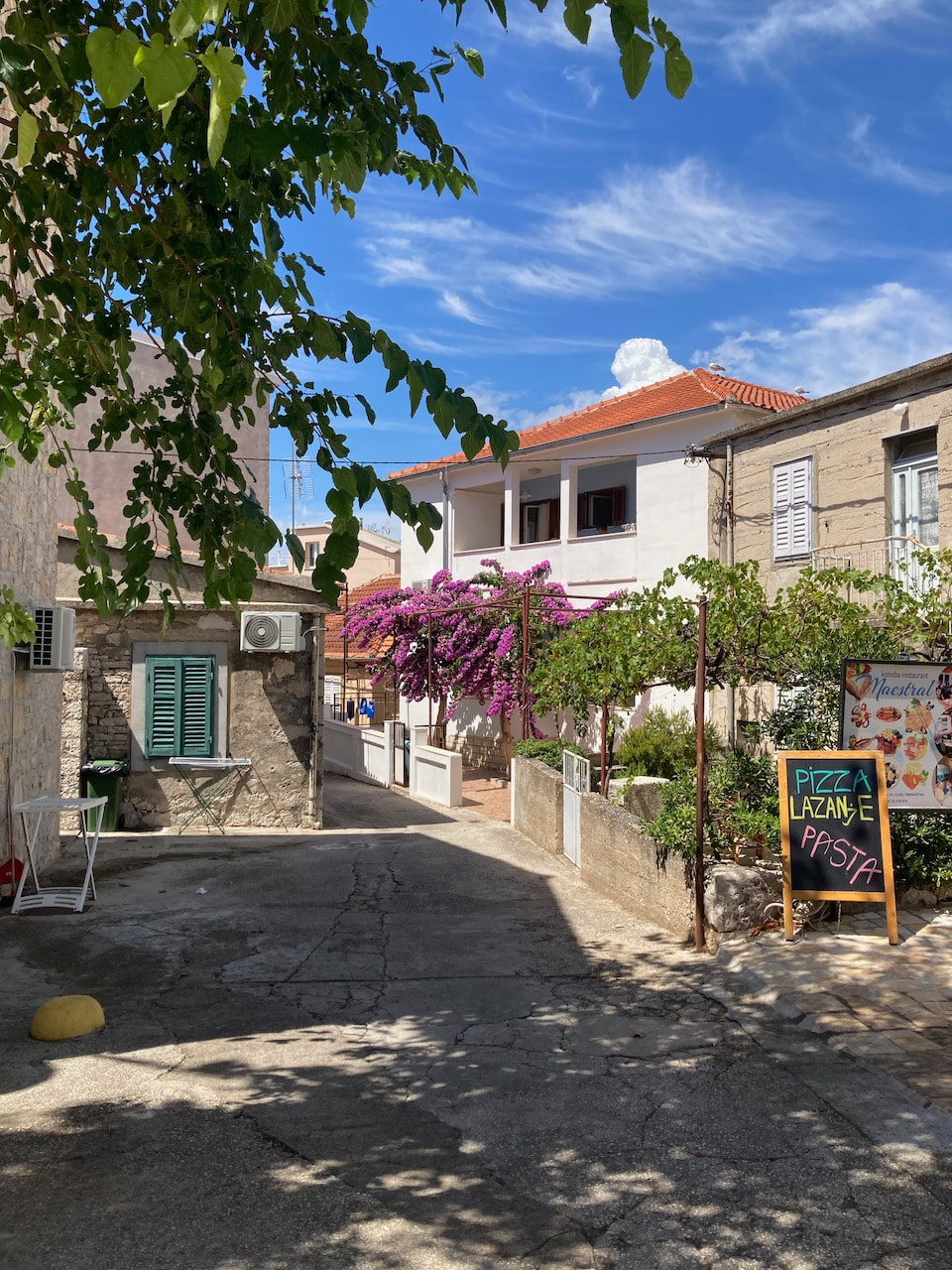
In addition to its historical sacred landmarks, Primošten offers charming secular architecture, stone houses, narrow streets, and picturesque squares. The town is a true historical gem of the Mediterranean coast, defying time and preserving its authentic appearance. It's a place where even modern visitors can stroll down cobblestone streets, discover hidden corners, and immerse themselves in a past that seamlessly blends with the present in a unique way.
Picture
Picture
Picture
Primošten and its surroundings have a diverse economic structure based on local resources and needs. Overall, the economic landscape of Primošten is a successful blend of natural resources and the area's cultural heritage. Tourism is a central economic activity in Primošten and its vicinity. Beautiful beaches, picturesque surroundings, historical landmarks, and the preserved Mediterranean atmosphere attract visitors. Hospitality establishments, accommodations, tourist agencies, and other services are pivotal to the local economy. Fishing, supported by its coastal location, plays an important role in the area's economy. The Primošten region is also known for producing wines, olives, and other agricultural products. Locally produced olive oils, wines, and other goods are significant sources for both local consumption and sales. Shops, gastronomy, and other services (crafting and selling ceramics, textiles, jewelry, and other traditional crafts) cater to the needs of both residents and tourists.
Picture
< previous
0 Comments

3 places in Central Dalmatia truly worth visiting (part 3 of 4)

26/8/2023

0 Comments


Split

Picture
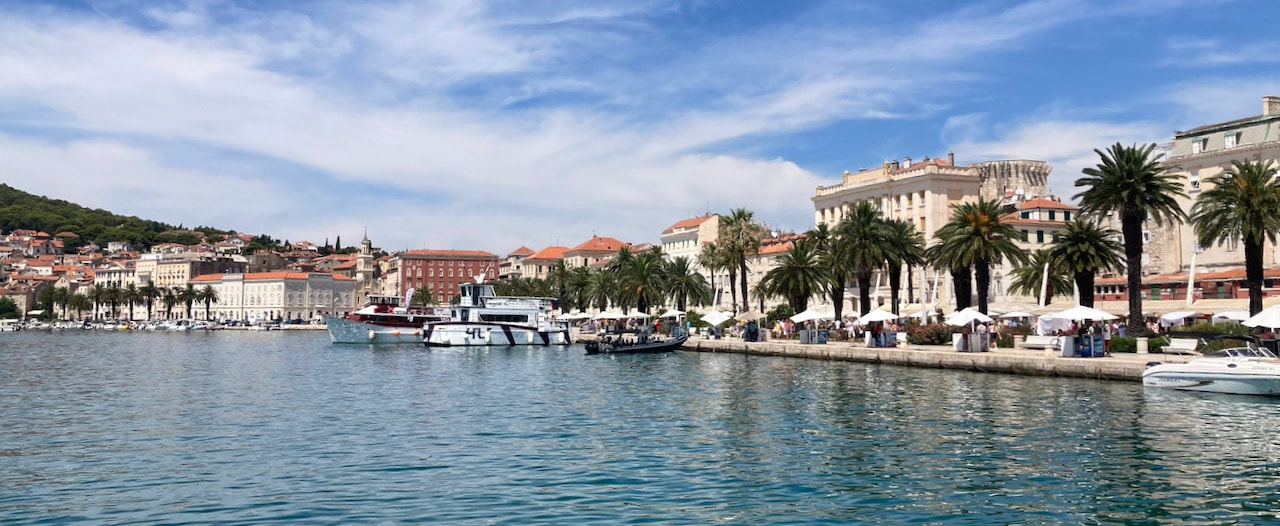
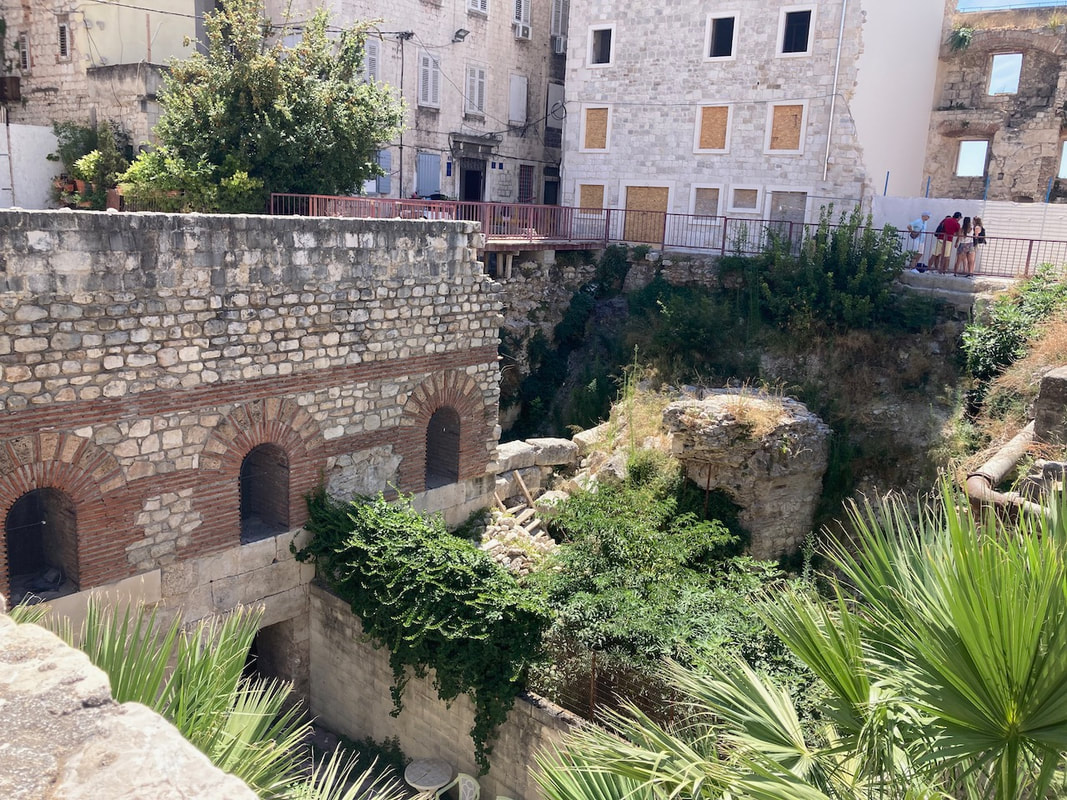
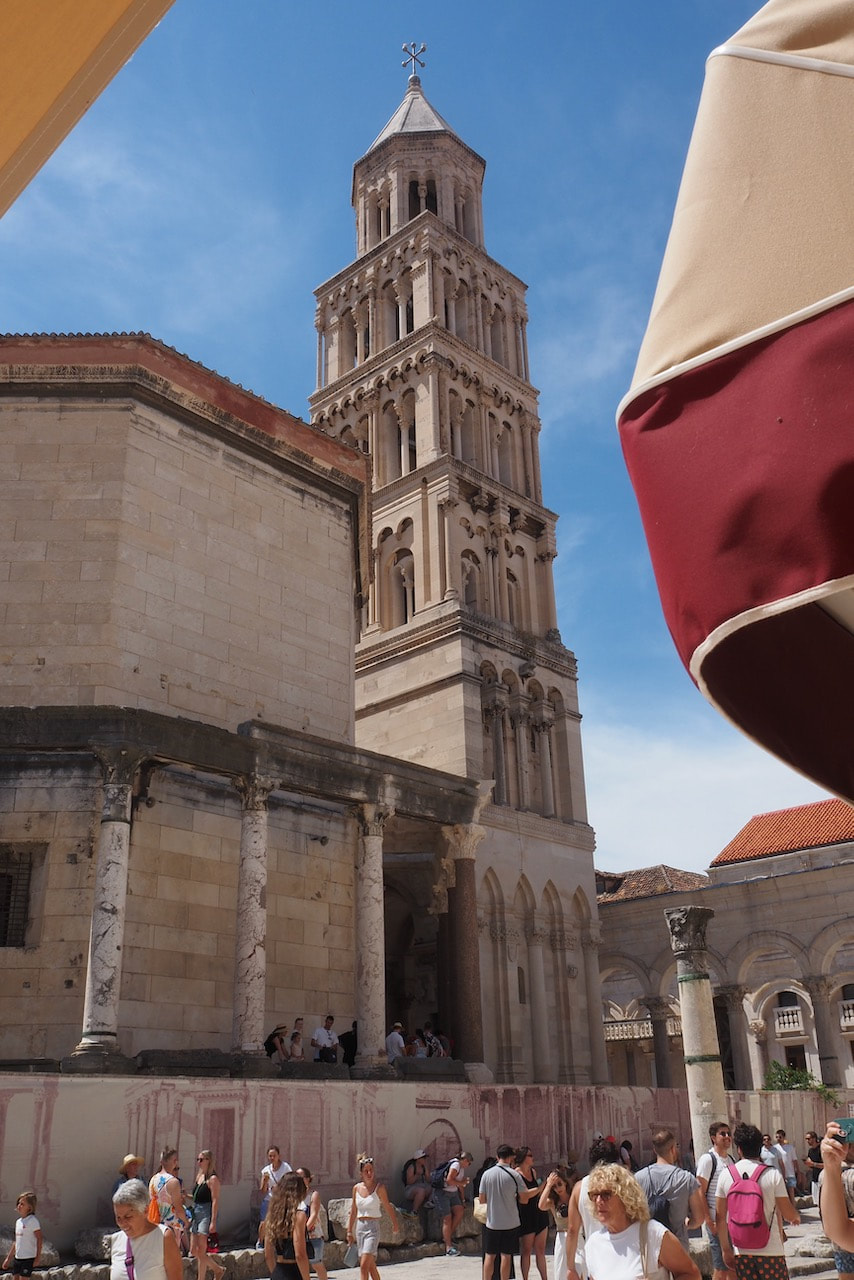
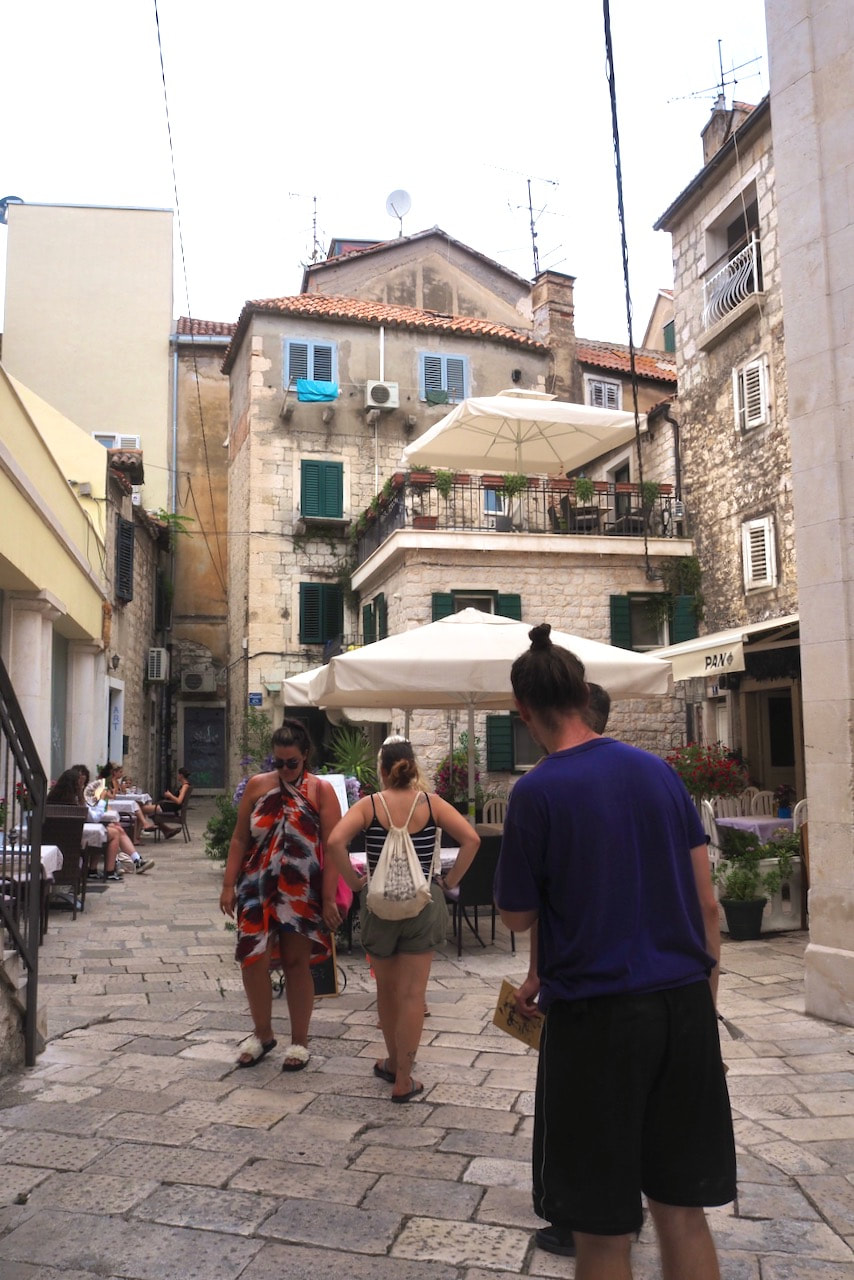
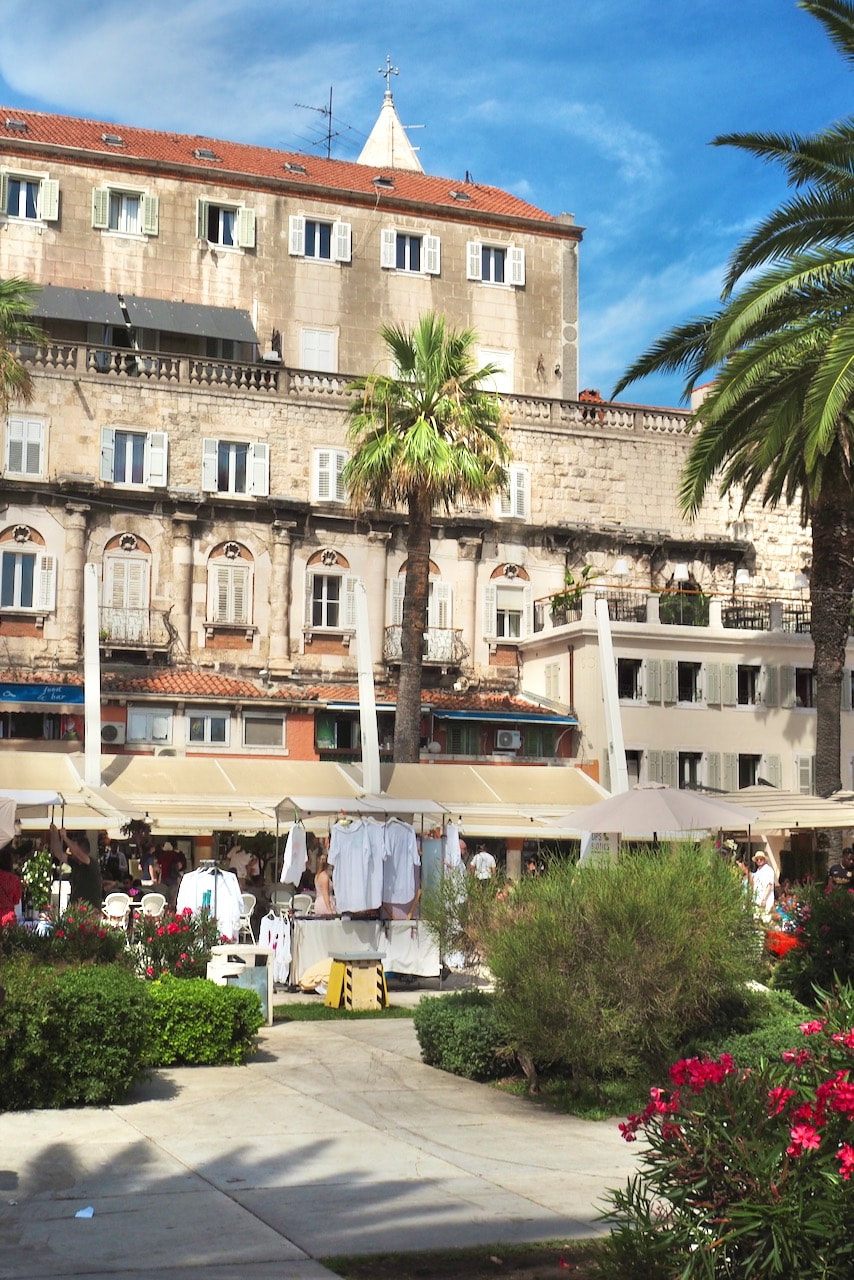
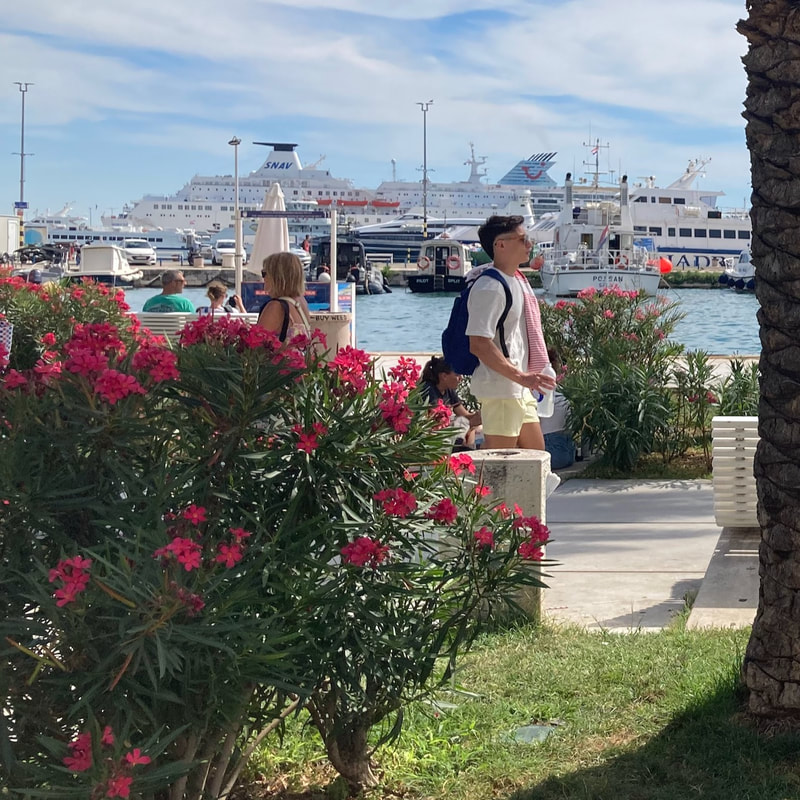
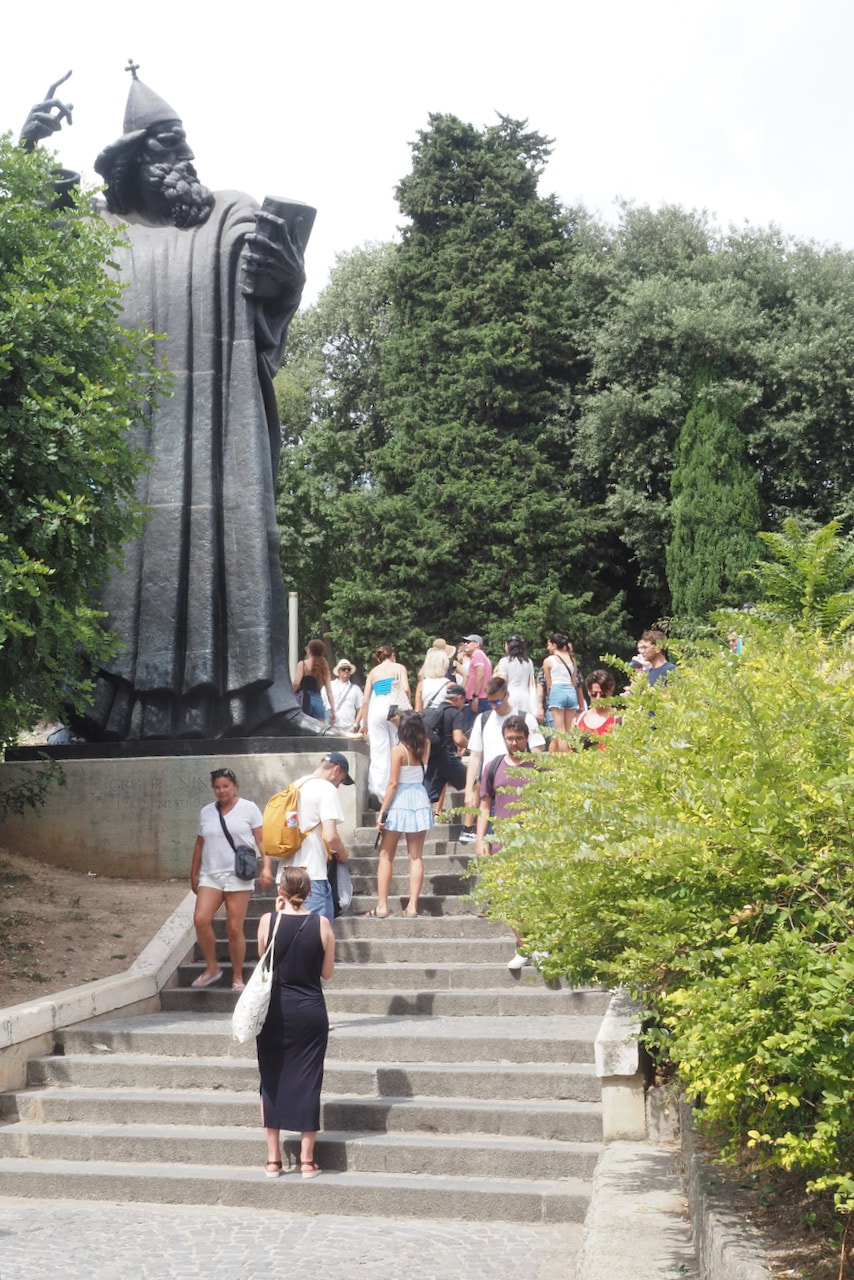
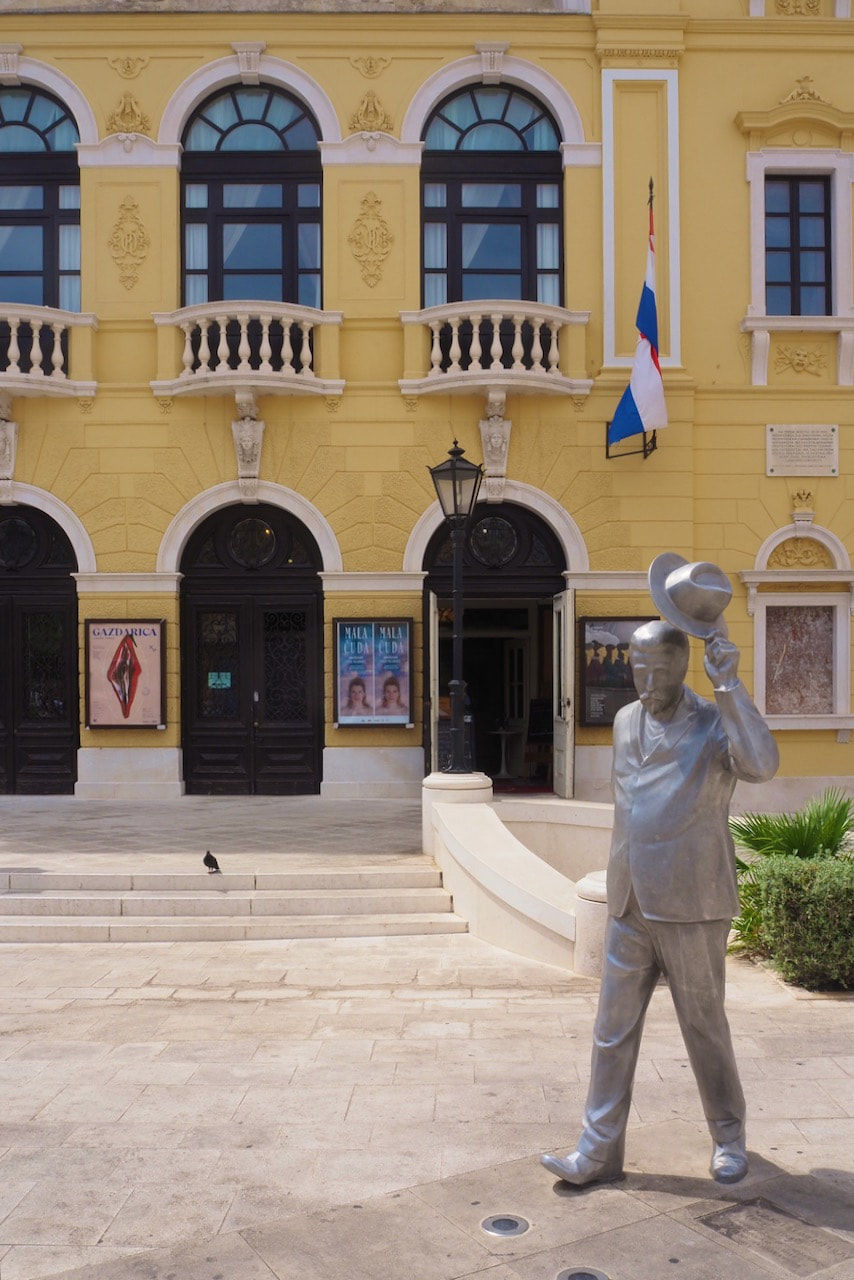
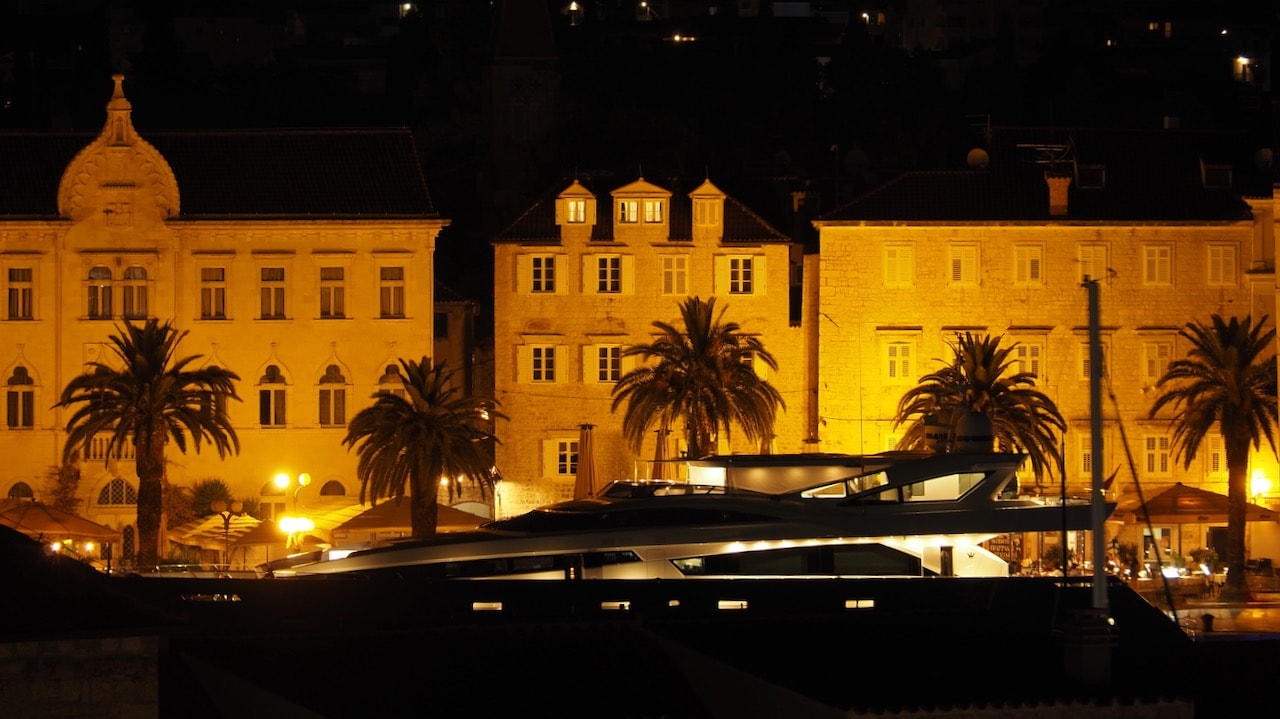
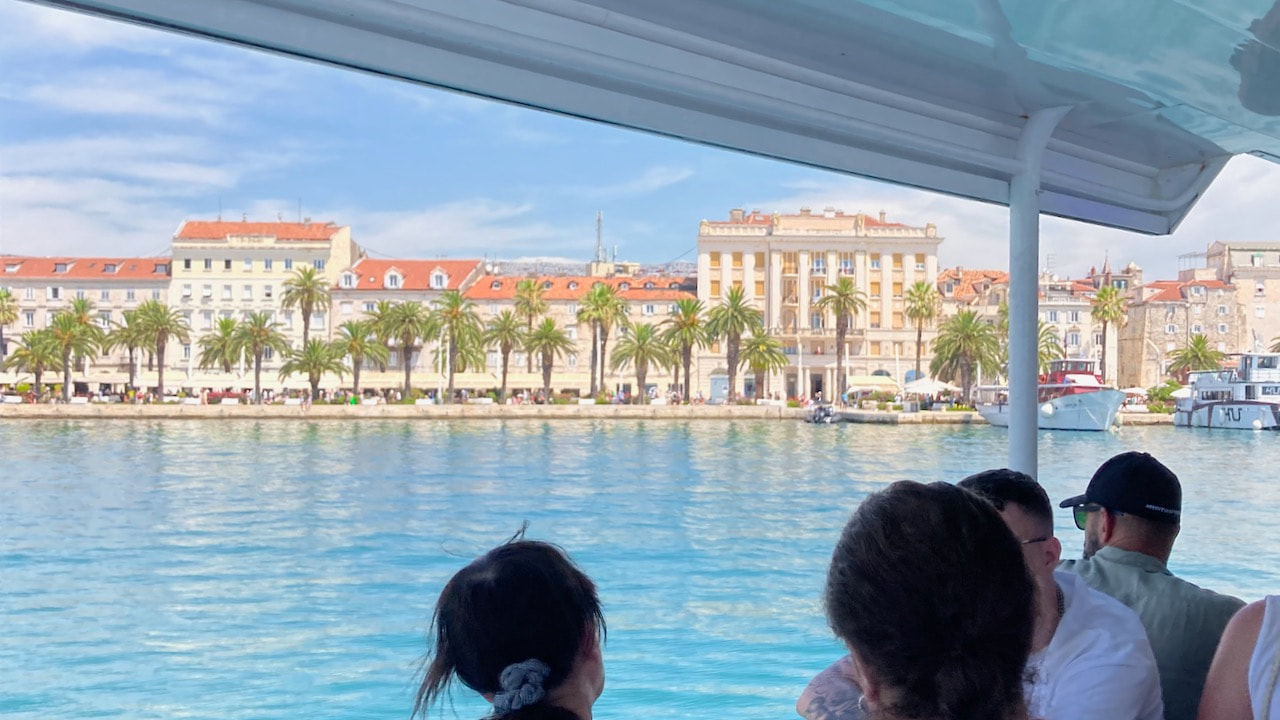
The capital of Dalmatia, the largest Dalmatian and the second largest Croatian city, is Split. It boasts an exceptional historical heritage that combines ancient architecture with modern life, presenting a unique chapter in the history of Dalmatia. The city is primarily known for its spectacular Diocletian's Palace. This ancient complex is the central part of the city, built by Diocletian for his retirement. Today, within its walls, you'll find vibrant markets, restaurants, and galleries intertwined with remnants of ancient times.
Picture
Picture
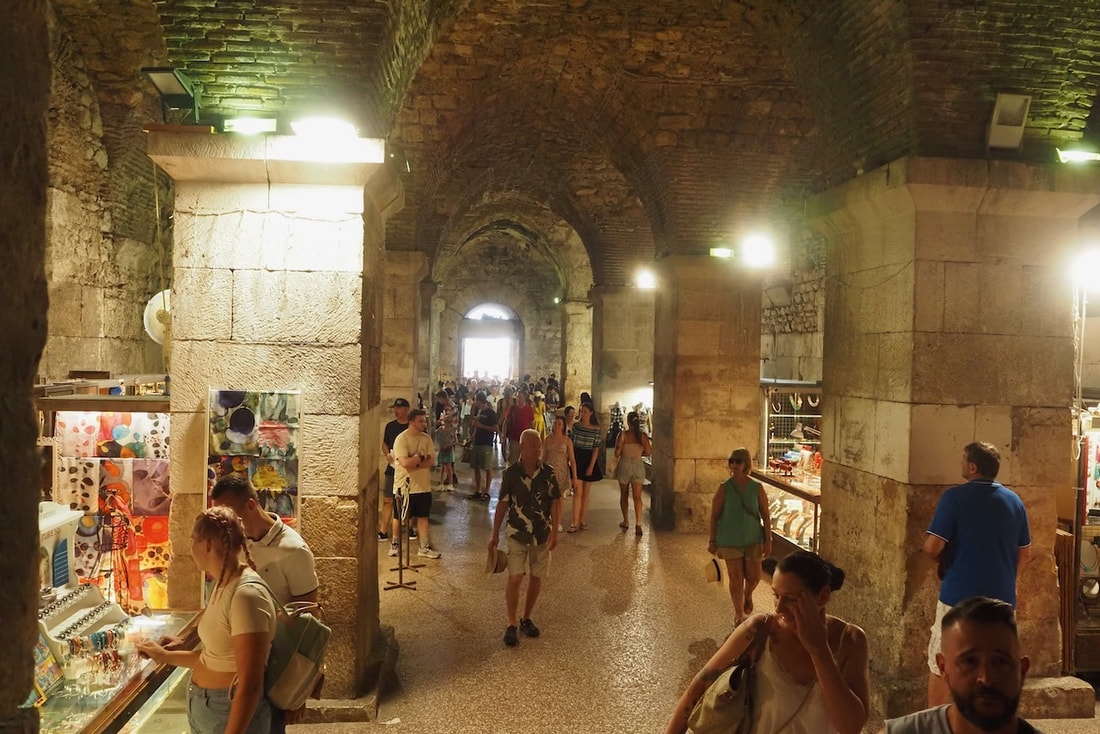
The main gem of Split is undoubtedly Diocletian's Palace, construction of which began in 295 AD for the Roman Emperor Diocletian as his residence. The palace stands today as a magnificent example of Roman architecture, blending elements of ancient style with medieval additions. It covers an area of over 3 hectares, and within its walls, you'll find a lively city with narrow streets, squares, restaurants, and shops. The palace includes temples, arched passageways, statues, and various buildings, including Diocletian's Cathedral of St. Domnius (on the site of the former emperor's mausoleum).​
Picture
Picture
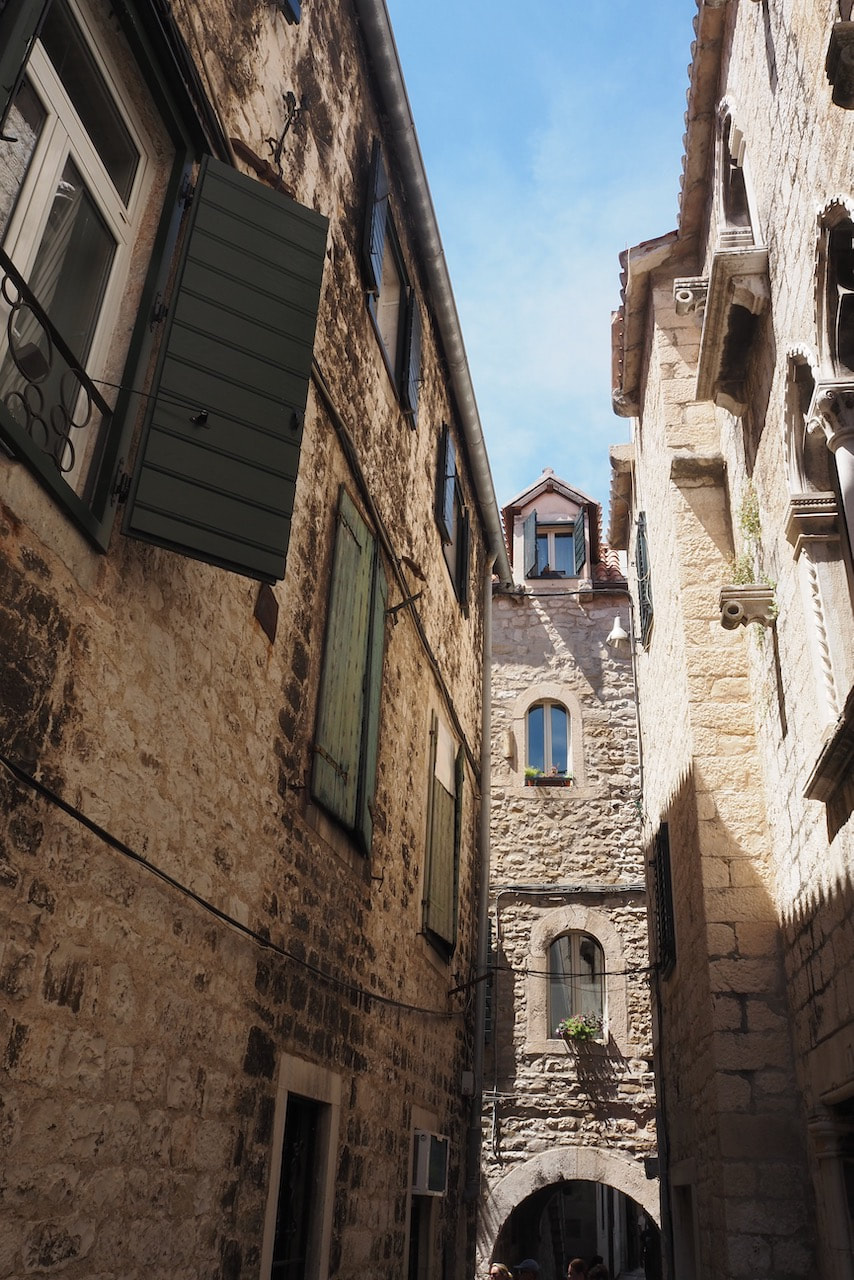
Split's history continues through the Middle Ages, when the palace started to be inhabited by residents seeking refuge from barbarian invasions. This marked the beginning of the formation of the city of Split, whose development continued over the centuries. In addition to Diocletian's Palace, Split also features numerous other historical buildings, such as medieval churches, palaces, and walls. The city is imbued with memories of different eras that have shaped its development.
Picture
Picture
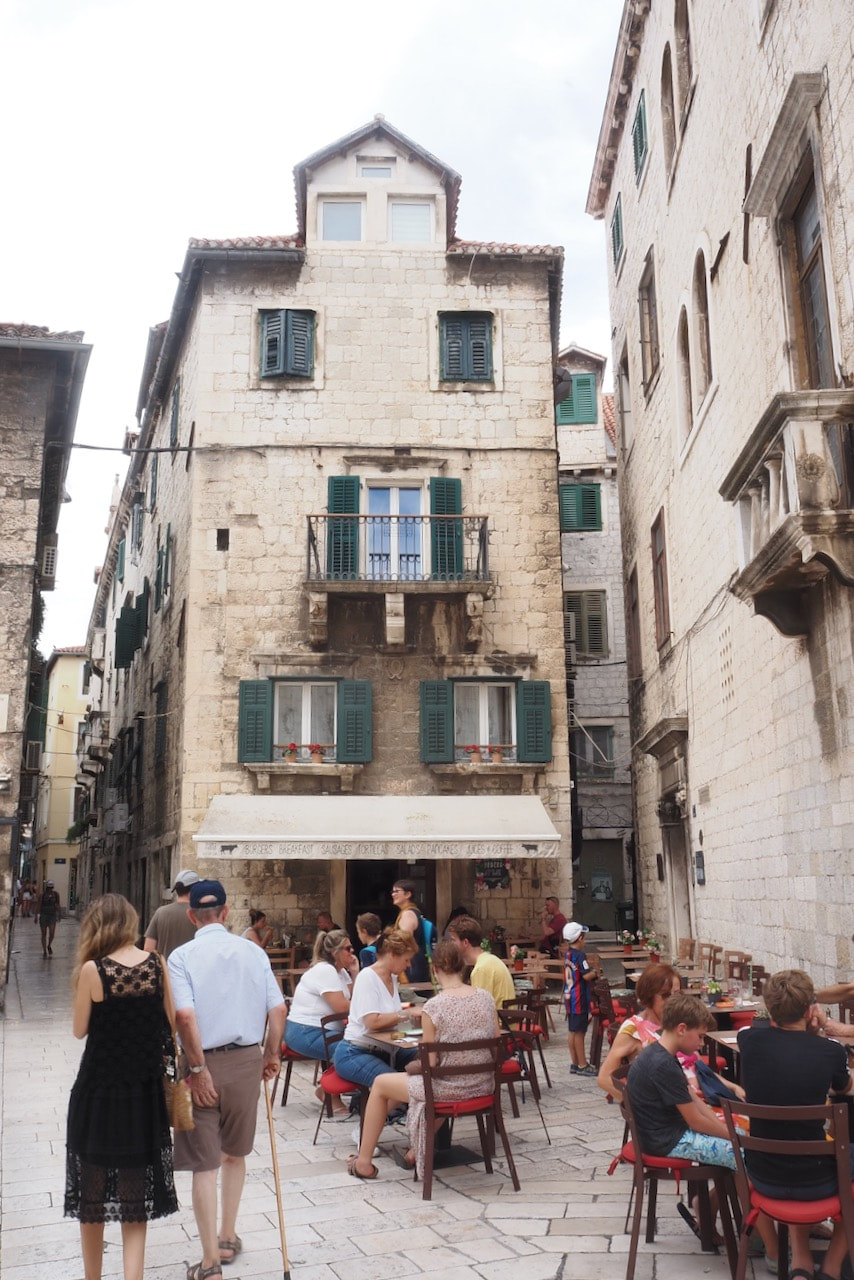
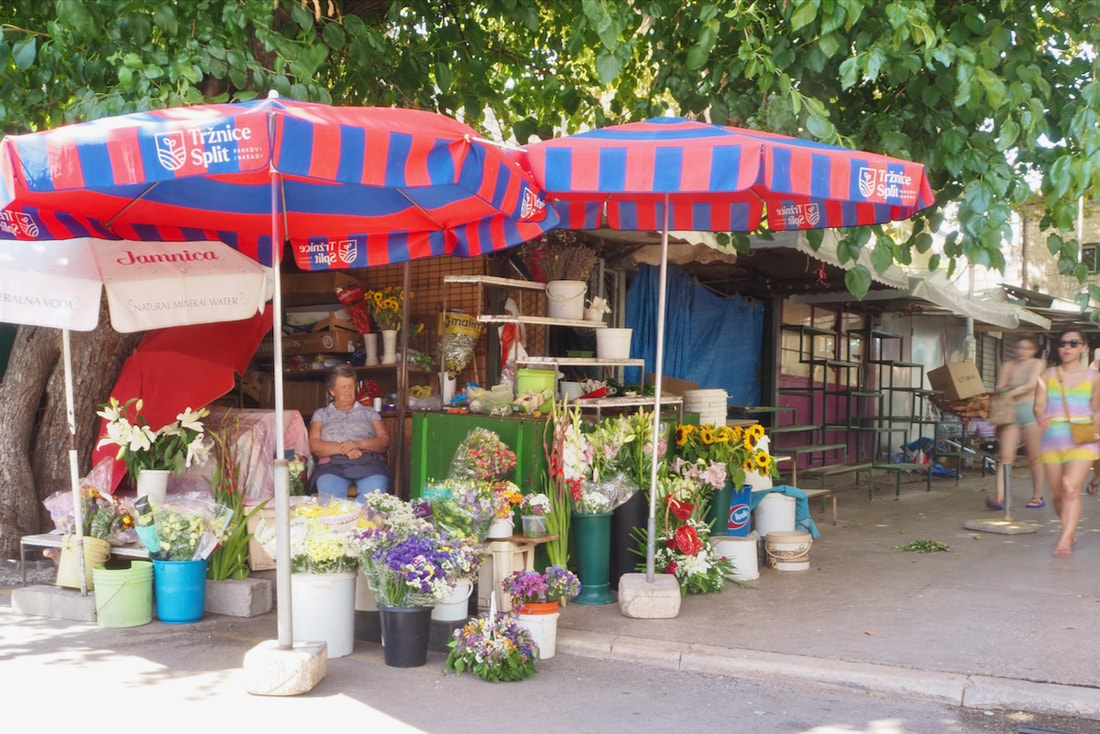
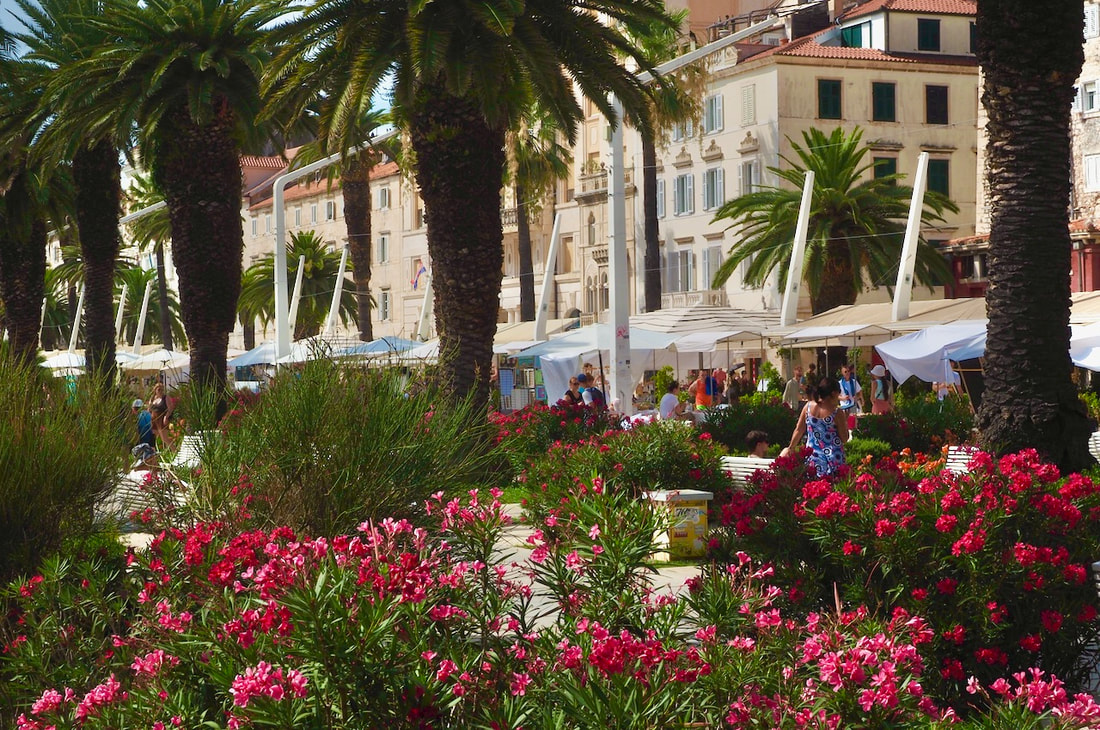
However, Split is not just a historical city; it's a lively city that breathes with its inhabitants. For tourists, the old stone alleyways filled with vibrant markets, eateries, and shops are particularly appealing. For architects and urban planners of today, the most valuable site is the "urban monument" Split 3, designed half a century ago by my graduate mentor, the late Professor Vladimir Braco Mušič, and his architectural colleagues. This blend of history and modernity gives Split a unique energy, making it an attractive destination for visitors and history enthusiasts.
Picture
In Split, you can't avoid the term "hajduk." Historically, Hajduks were rebellious fighters who played a significant role in the history of the Balkan Peninsula and southeastern Europe in the past centuries. Their role evolved based on the time period and political circumstances, ranging from national liberators to outlaws and fighters for social equality (similar to Robin Hood). The most famous hajduk today is undoubtedly the Hajduk Split football club. One of the most successful football clubs in this part of Europe, it is reportedly structured as a fan-owned corporation.
Split and its surroundings constitute the economic center of the region with a wide range of activities. Situated on the eastern side of the Adriatic Sea, Split is one of the most important tourist destinations in Croatia, attracting visitors with its historical heritage, Diocletian's Palace, and vibrant city life. Tourism is a key economic factor, contributing to hospitality services, commerce, and other tourism-related activities.
Picture
Picture
Picture
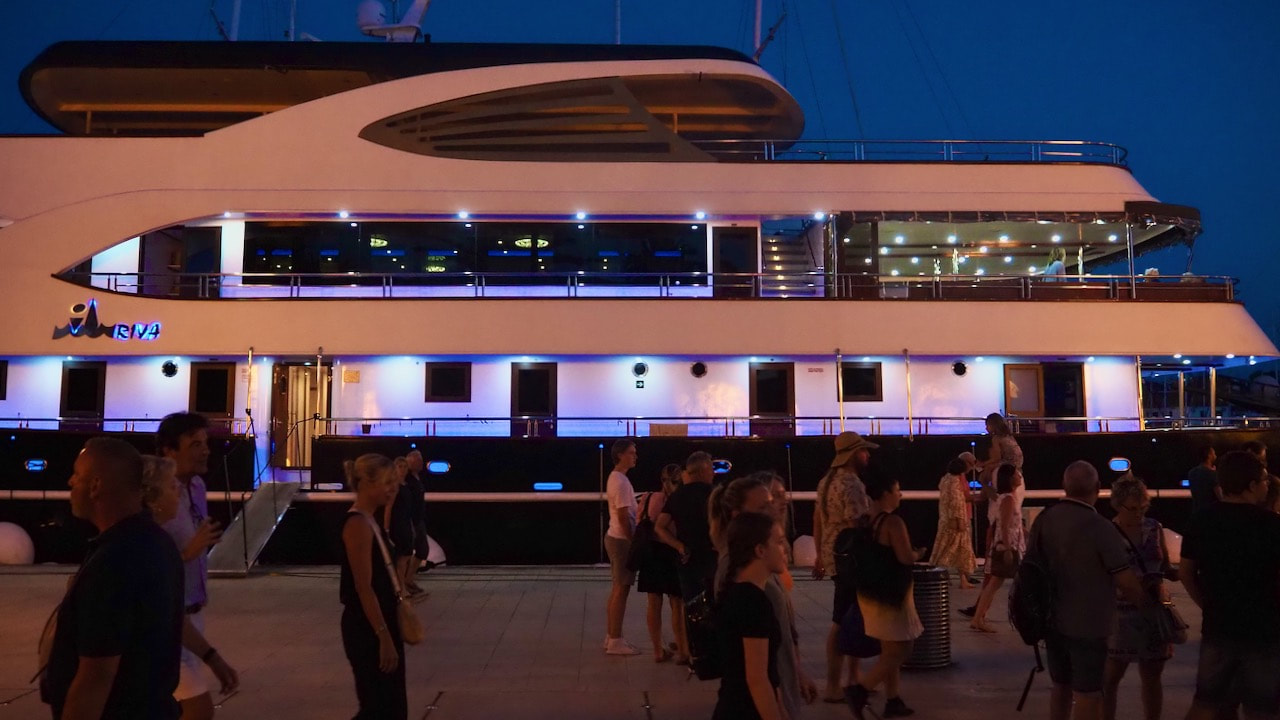
In terms of transportation, Split is well-connected to the world, lying along the main Croatian highway and the former Adriatic Highway. The international airport is hard to miss, especially during the tourist season due to heavy traffic. The city also has a significant port for both passenger and cargo traffic. Passenger ships, ferries, and cruises bring tourists, and the port serves as a vital hub for trade and connections with nearby islands and Italian coast.
The University of Split and other educational institutions contribute to the city's economic development. Culture, art, and sports events also add to the modern life of the city. Together, these activities form a mosaic that allows Split and its surroundings to maintain a dynamic economic environment, appealing to both the population and visitors.
Picture
Picture
< previous
next >
0 Comments

3 places in Central Dalmatia truly worth visiting (part 2 of 4)

26/8/2023

0 Comments


Trogir

Picture
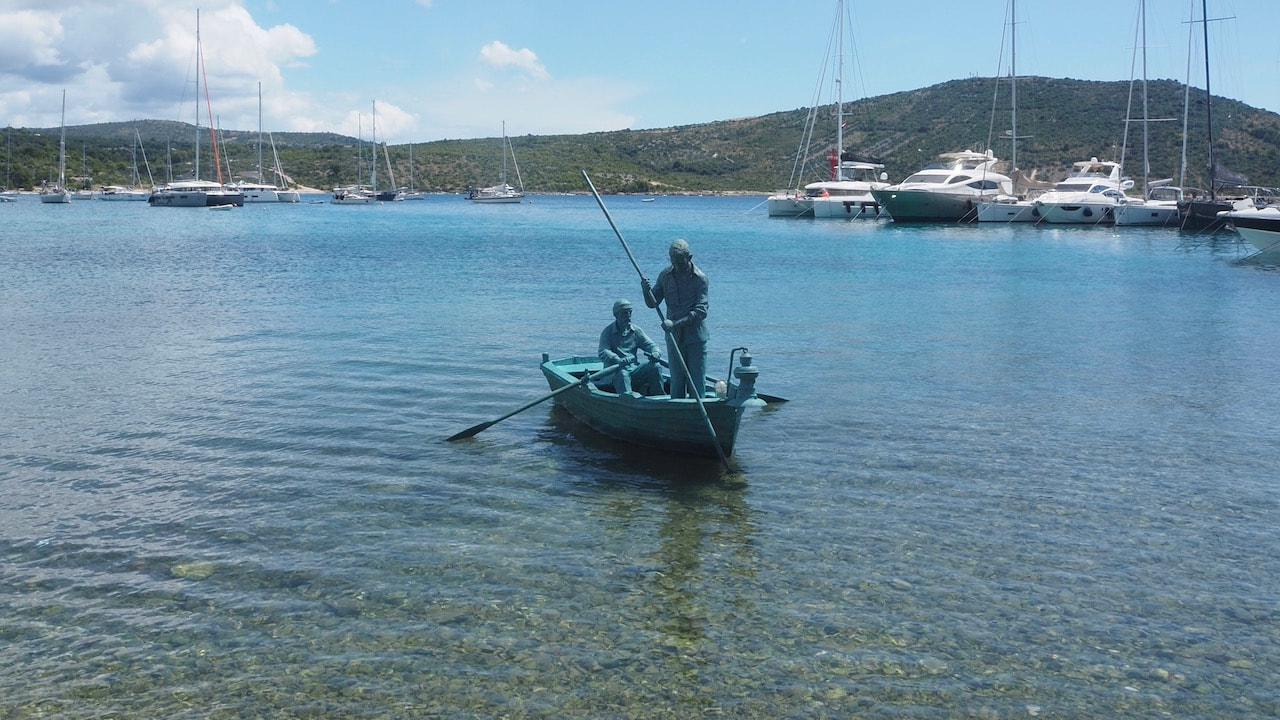
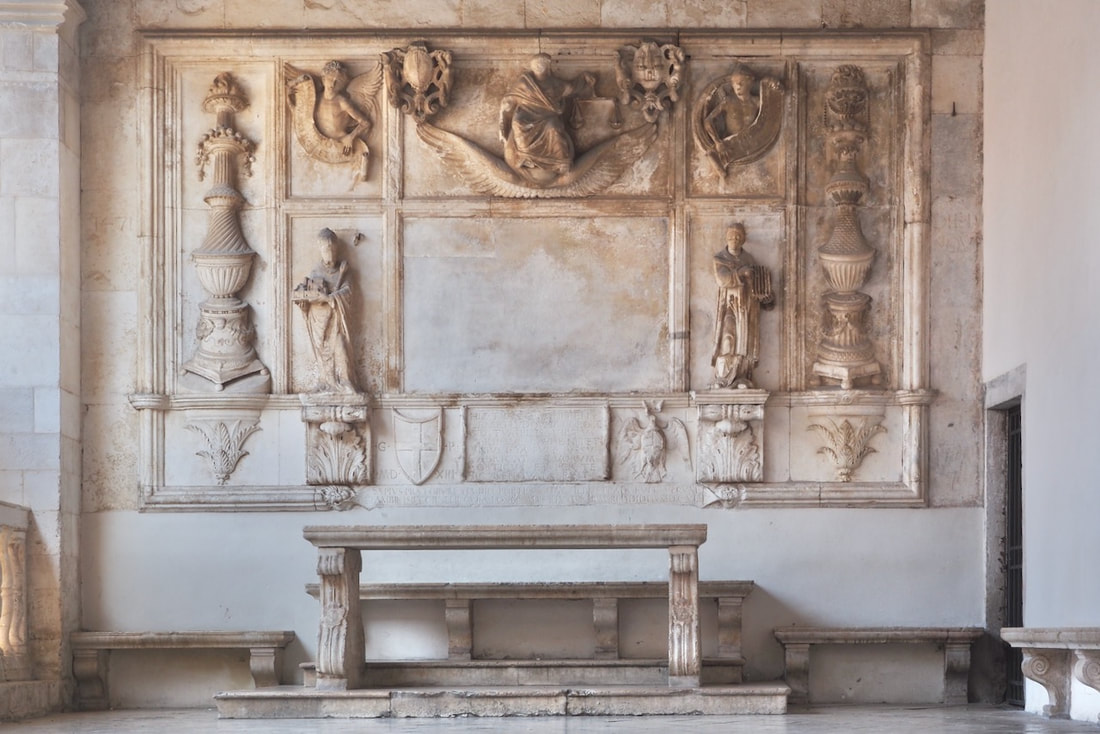
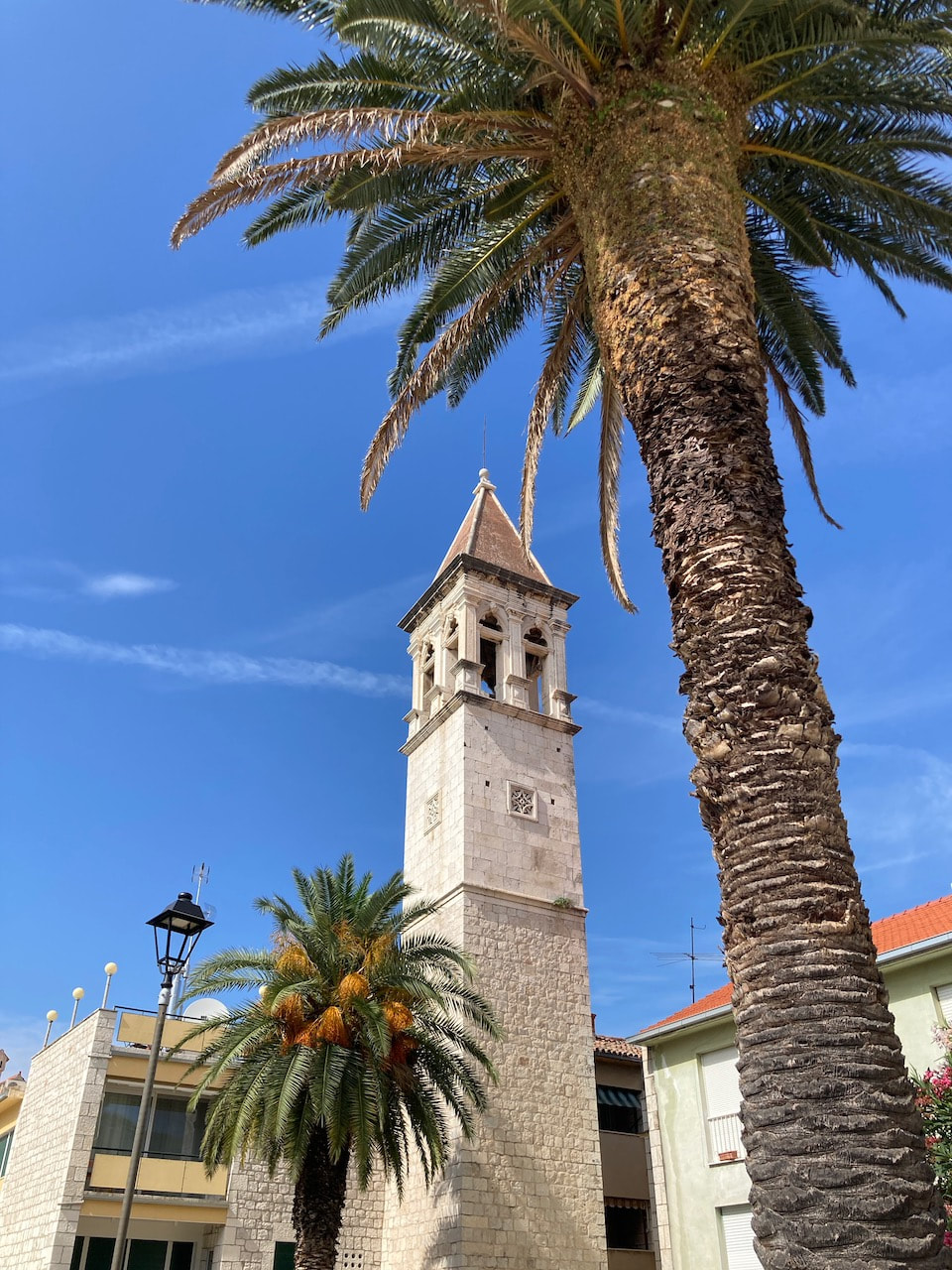
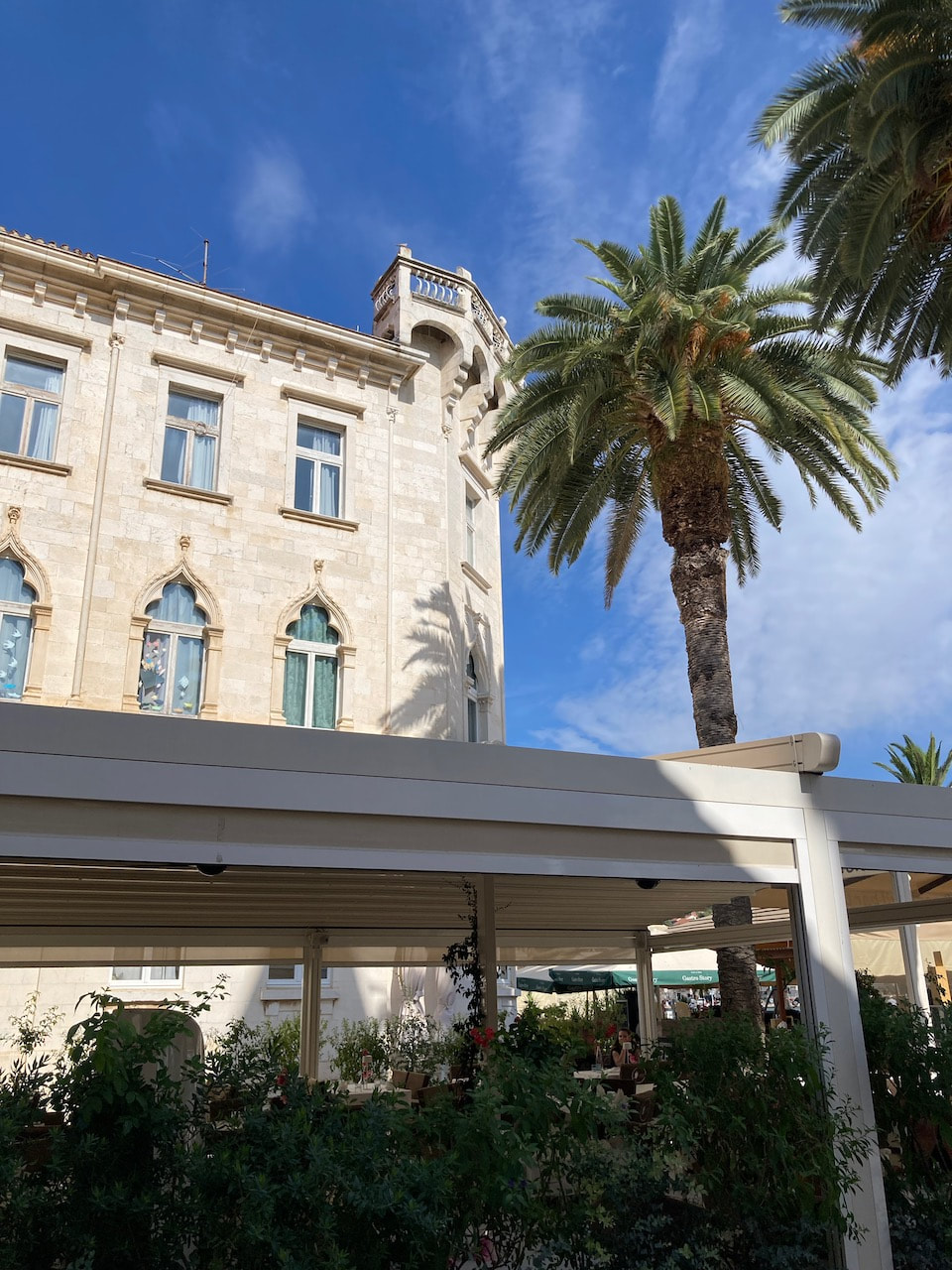
The city of Trogir, a stone maritime gem, is a picturesque town located on a small islet in the Adriatic Sea along the Croatian coastline.. It is protected as a UNESCO monument, as it has preserved its medieval charm throughout the centuries. It offers a picturesque combination of medieval streets winding through old buildings and the harbor. An admirable cathedral and numerous palaces testify to the rich history of this town.
Picture
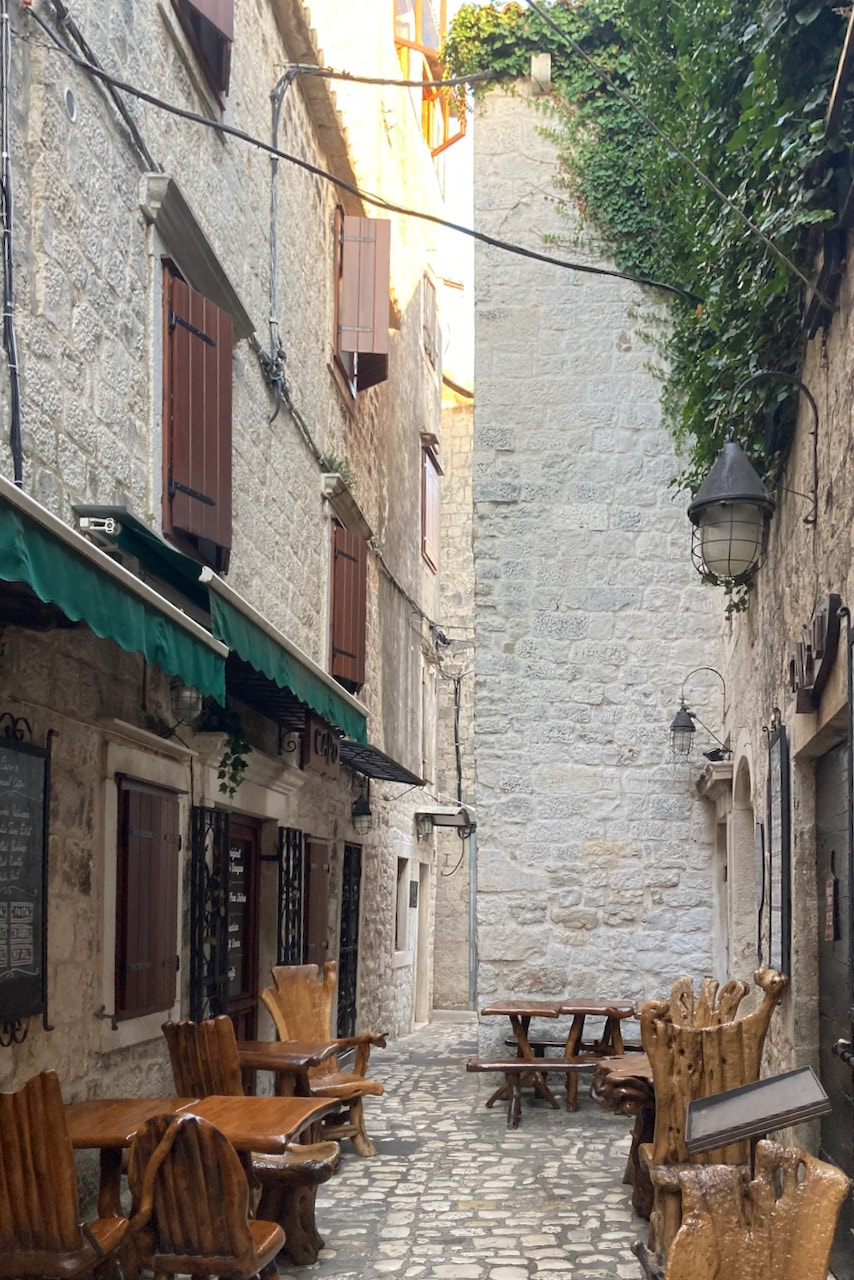
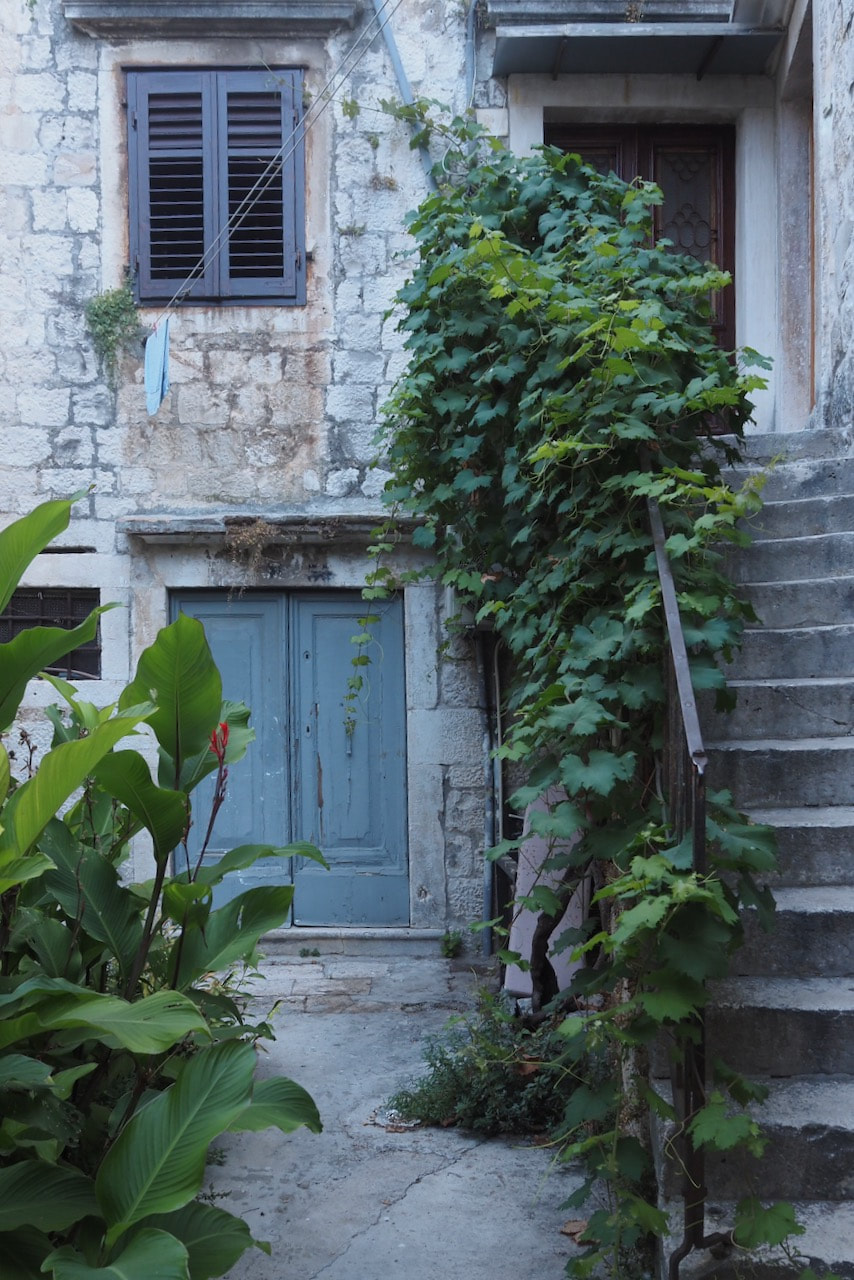
Trogir's rich historical heritage dates back to ancient times, founded by Greek settlers and later inhabited by Romans. The key historical period is the Middle Ages when the town reached its peak. Trogir was important in trade and maritime activities and was under the influence of the Venetian Republic. This period left the greatest imprint on Trogir, with numerous buildings, palaces, churches, and towers characteristic of medieval architecture. With its narrow cobblestone streets, medieval palaces, and impressive cathedral, the town is a true lesson in architecture and history.
Picture
Picture
The center of the town is represented by the Trogir Cathedral of St. Lawrence, a true jewel of Romanesque architecture. The cathedral houses magnificent artistic treasures depicting scenes from Christian mythology. Also of exceptional importance on the western side of the town is the Kamerlengo Tower, which once served as a defensive tower and now offers a splendid view of the city walls and surroundings. While strolling through the town, you discover a multitude of medieval palaces and towers that testify to its rich past. Narrow cobbled streets weaving between stone houses and ancient palaces evoke a feeling of stepping into the past. The town is literally a living museum of history, where every corner unveils a new perspective on the past.
Picture
Picture
Trogir remains a unique window into the past, unobscured by modern life. It is a place where visitors can deeply inhale the spirit of history and admire the architectural masterpiece of the medieval era.
Picture
Trogir and its surroundings form an economically diverse area where various activities intertwine to contribute to the local economy:
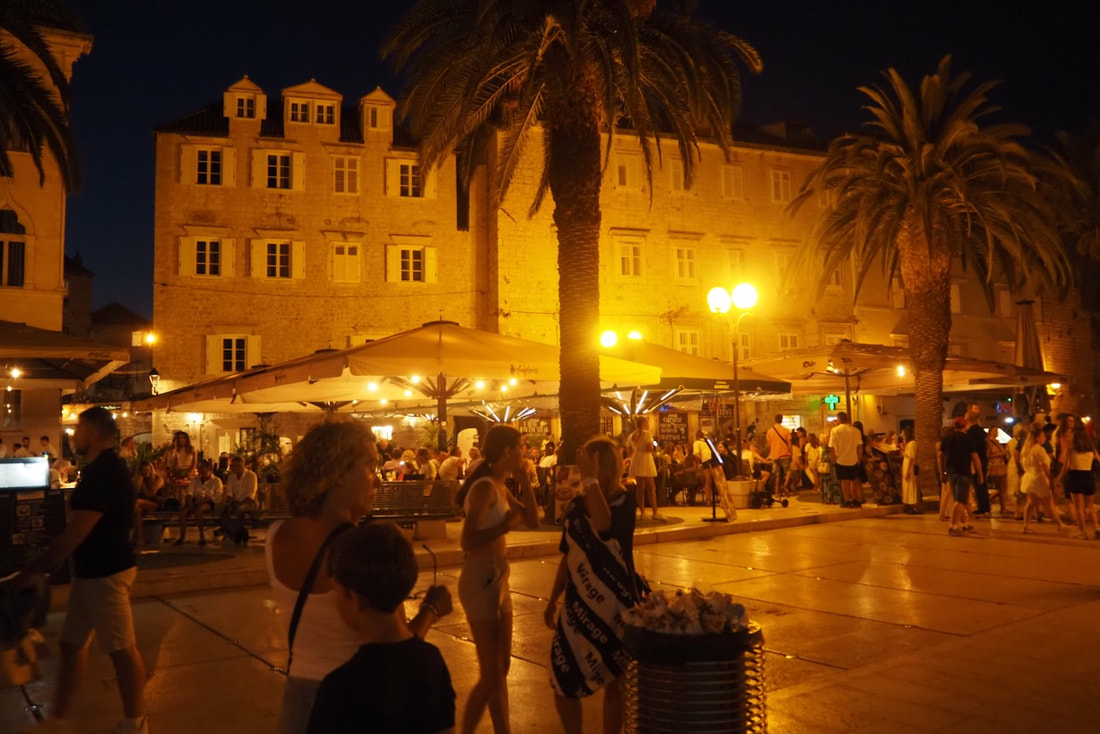
​Foremost, tourism takes the lead, as Trogir is one of the better-known tourist destinations on the eastern Adriatic coast. Its rich historical heritage with picturesque streets and a beautiful coastline attract visitors. Those staying in hotels, apartments, and private accommodations make the most significant contribution to the local economy.
Picture
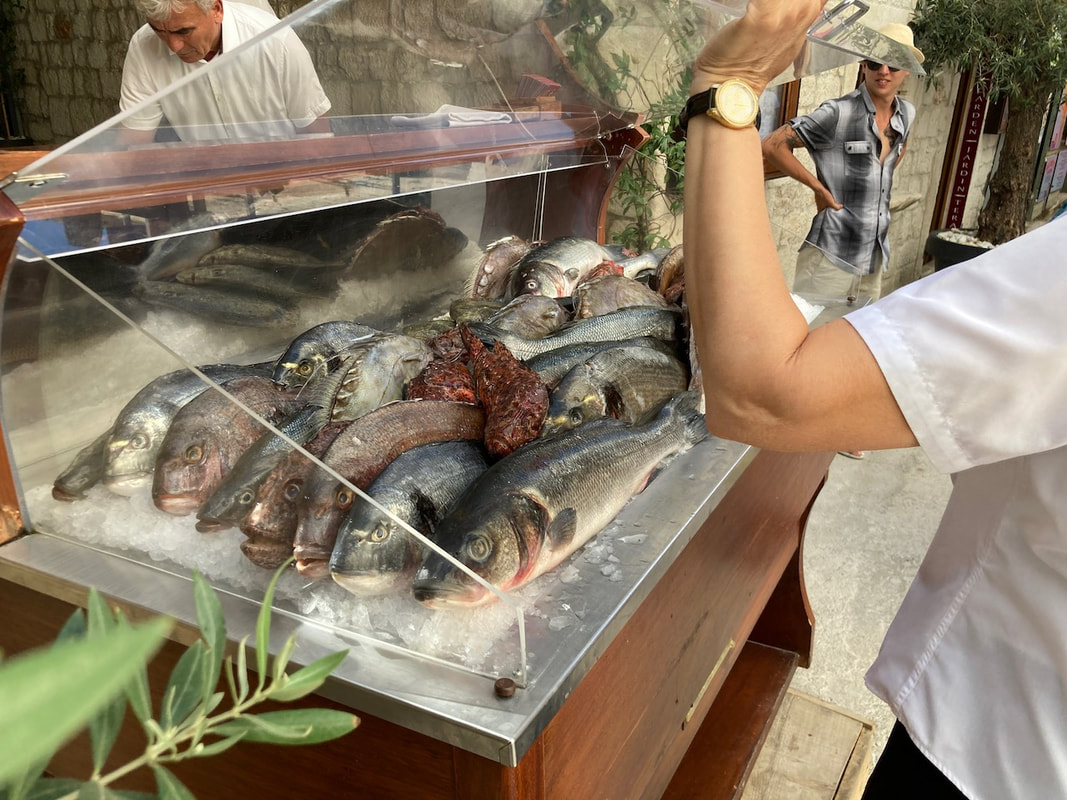
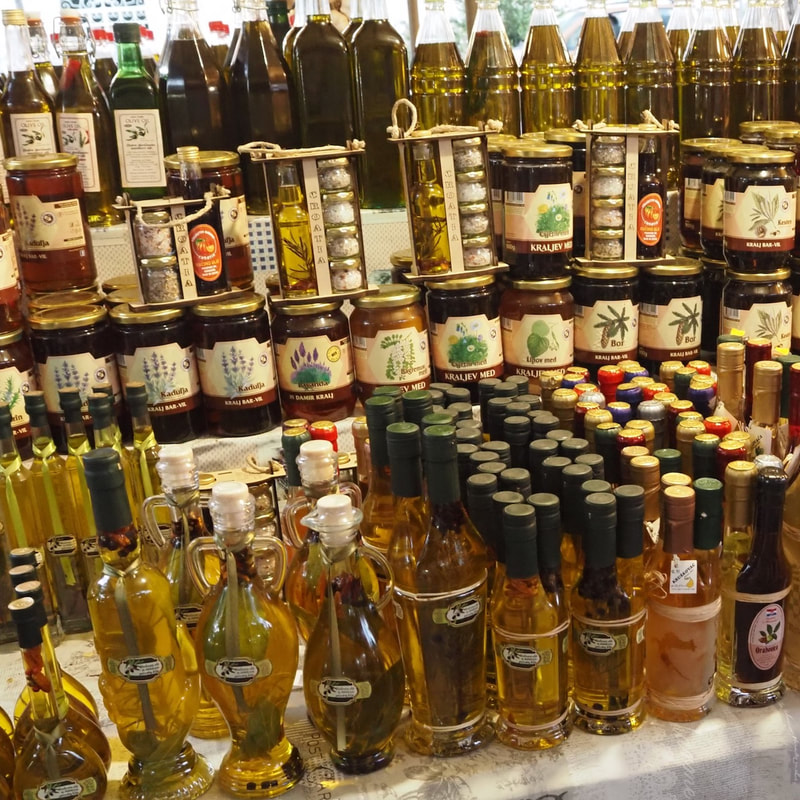
Due to its coastal location, agriculture and fishing play important roles in the economy. The catch of various fish species provides fresh seafood, primarily for local consumption by residents and guests. Agriculture in the vicinity of Trogir relies on olives, grapes, citrus fruits, and vegetables. Olive oil and wine are well-known local products, also offered as souvenirs.
Picture
What are the people of Trogir also living from? An essential part of the economic activity and support for what's been mentioned before are shops, markets, artisanal businesses, and restaurants. Local artisans and entrepreneurs engage in producing traditional goods such as handmade crafts, ceramics, textile products, thereby creating jobs and offering products and services that cater to the needs of both locals and visitors.
Picture
< previous
next >
0 Comments

3 places in Central Dalmatia truly worth visiting (part 1 of 4)

26/8/2023

0 Comments


Intro

Picture
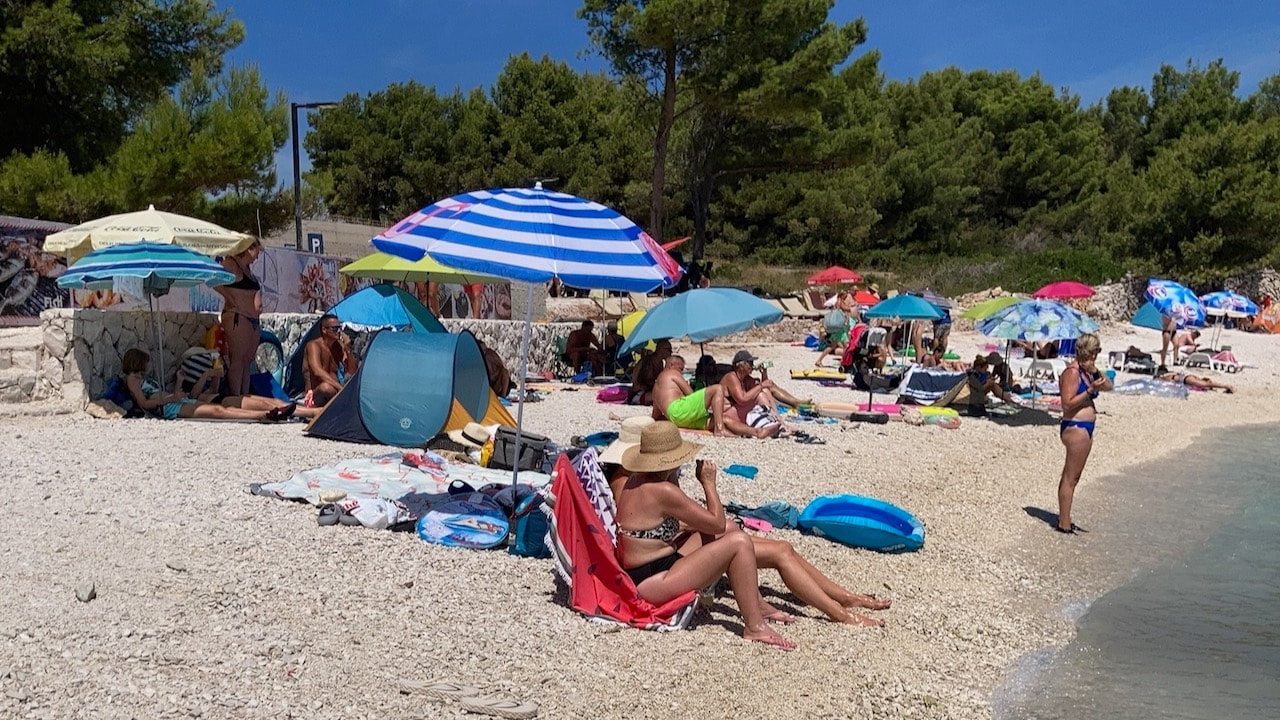
We used to be criticized for showing insufficient patriotism because we sometimes don't spend our summer vacation in the homeland. The Croatian coastline of the Adriatic Sea is almost six thousand kilometers long, while the Slovenian coastline is more than a hundred times shorter. Clearly, we have more opportunities on Croatian coast to find our idyllic cove or at least a spot to spread our towel.
Picture
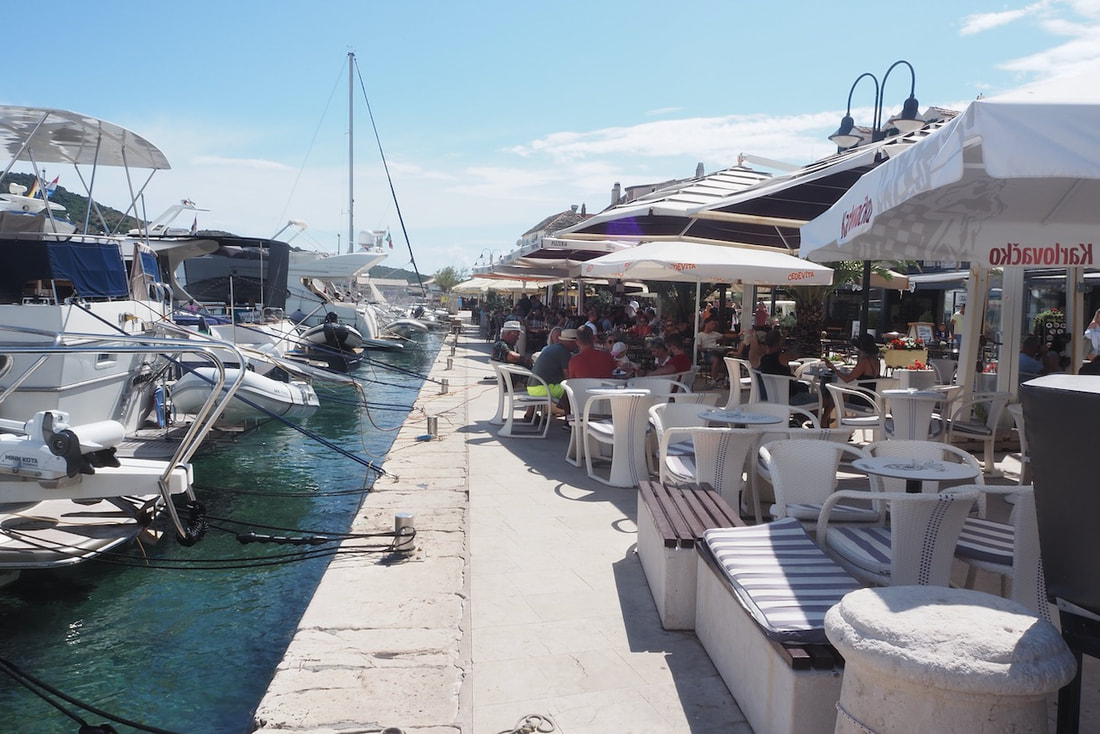
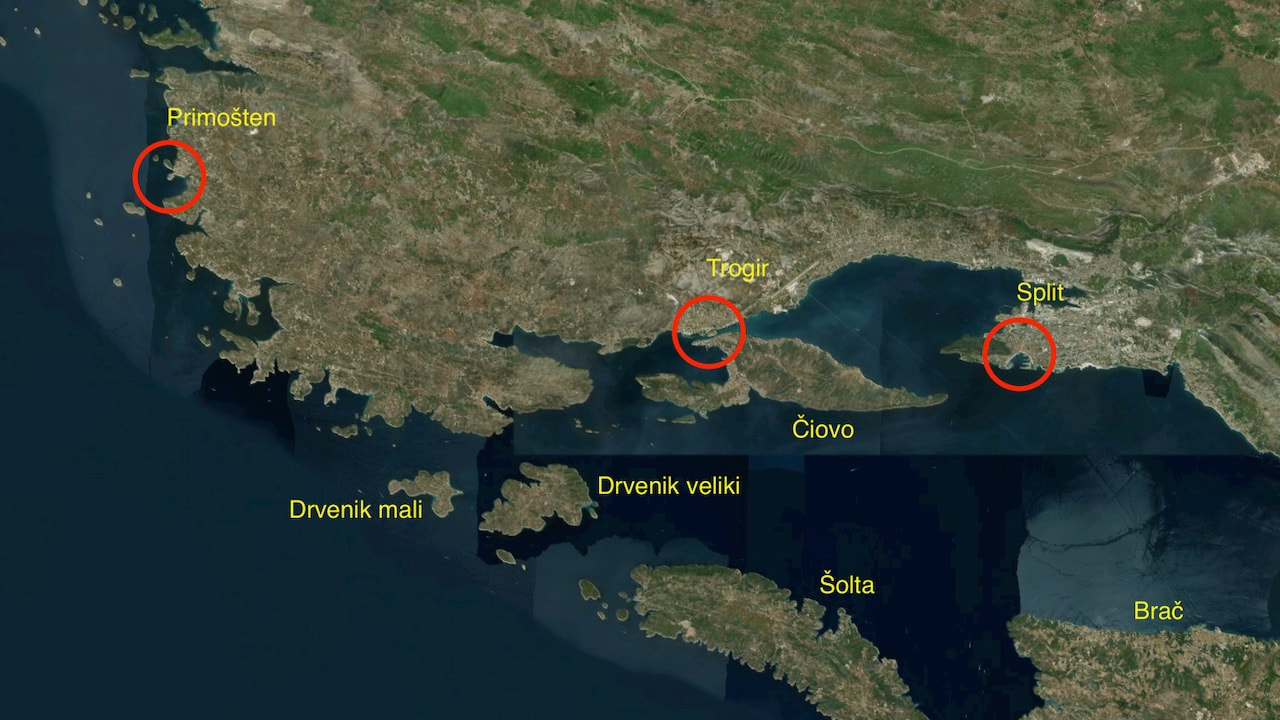
Our indulgence is to blame for choosing a destination this time that, in addition to the azure sea and an abundance of beaches, also offers a few magical historical towns - Central Dalmatia. We chose Trogir as our starting point, and from there, we set off by car or boat to explore the surroundings. In this article, I will also focus on the stunning Split and the charming Primošten, both one hour drive from Trogir.
Picture
All three towns, although different in size and economic significance, are united by one common activity - tourism. These are internationally renowned tourist destinations that, due to their popularity during the season, are almost bursting at the seams. However, this is entirely understandable - rich historical heritage, charming ancient and medieval city centers, and picturesque coastline are the main reasons for their attractiveness that we cannot overlook.
Picture
next >
0 Comments

Crocodiles once roamed Pag island

27/7/2021

0 Comments

 
Picture
It was a sunny Tuesday afternoon, around 7:30 p.m., one of the last days of our summer holidays. On our way from the beach back to town we were looking forward to exploring the natural wonders of Pag Island. Eagerly, we set out for a hike. Our destination: the unique oak and hornbeam forest, the only deciduous forest on the island. This forest, a rare ecological gem, has adapted to the salty environment of the island, making it a precious genetic resource. Protected since 1988 as a Special Reserve of Forest Vegetation, it spans 28.45 hectares and represents the last remnant of its kind on Pag.
Picture
As we  walked, I couldn't help but reflect on the historical and cultural significance of the oak tree. In Slavic mythology, the oak is sacred to Perun, the god of thunder and lightning. For the ancient Greeks, it was a symbol of Zeus, and for the Romans, of Jupiter. With the advent of Christianity, Perun's place might have been taken by Saint Vitus, as evidenced by the nearby hilltop named after him (Sv. Vid, the highest peak on the island at 348 meters).
Picture
This type of oak typically doesn't tolerate salty conditions and usually grows at higher altitudes (400 to 900 meters near the coast, and up to 1700 meters inland). Yet, here it thrives all the way to the sea, an extraordinary feat.
Picture
The forest path was well-maintained, and we took care to stay on it, mindful of the ancient belief that misfortune befalls anyone who fells a healthy oak. This legend lent an air of reverence to our journey.
Picture
In the 19th century, Austrian geologists conducted coal mining and geological surveys on Pag, discovering numerous fossils. Later, INA (Croatia's oil company) drilled for oil, uncovering Miocene layers dating back 18 million years. These layers tell a story of a time when the Adriatic was mostly land, dotted with many lakes. Fossils of a vast lake with diverse life forms were found, including evidence that Pag was connected to the mainland, now known as the Velebit mountain range, until about 35 million years ago. By the end of the Pleistocene, around 12,000 years ago, rising sea levels formed the Velebit Channel, giving Pag its present shape, with the Pag Bay resembling an elongated lake.
Picture
Curiosity piqued by the title, "Crocodiles Once Roamed Pag Island," you might think it's a fabrication. But it's true. Research revealed that Pag was once a marshy area near a lake, home to crocodiles, small mammals, shells, and fish, all amidst dense marsh vegetation. Among the many fossils discovered, the most intriguing were a crocodile tooth and a rare Valvata snail fossil. Today, the forest hosts a variety of wildlife, including numerous bats that feed at dusk and along the forest road, and one of Europe's largest beetles, the stag beetle (Lucanus cervus), with males boasting antler-like mandibles.
Tempted to stay until dusk to see the bats and beetles, I kept my thoughts to myself, knowing others might hold me to it. ​Would you have stayed?
0 Comments
<<Previous

    Author

    Architect by education,
    ​Planner by profession,
    Tourist by heart and
    Foodie by soul...

    Archives

    April 2025
    October 2024
    April 2024
    March 2024
    August 2023
    July 2021
    March 2018

    Categories

    All
    Food & Drinks
    Planning & Architecture
    Tourism

    RSS Feed

Powered by Create your own unique website with customizable templates.