Rasto Kirn
sustainability planner, perpetual tourist and gourmand
  • domov
  • blog (SI)
  • Home (EN)
  • Blog (EN)
  • Blog (RU)
  • Slovenija
    • gospodarstvo >
      • Alpska Slovenija >
        • Maribor
        • Rogla - Pohorje
        • Solčavsko
      • Termalna panonska Slovenija >
        • Ptuj
      • Ljubljana & centralna Slovenija >
        • Ljubljana
      • Mediteranska & kraška Slovenija >
        • Piran
    • trajnost
    • hrana in pijača

Enchanting Fusion of Slovenian Tradition and Tourism

27/8/2023

0 Comments

 
Picture
Slovenia is a small enchanting country that has long been ranked among popular tourist destinations. It also plays a significant role in the international sustainability community; its destinations and providers are strongly involved in the Green Scheme of Slovenian Tourism, and consequently, in Green Destinations as well. It captivates visitors with its natural beauty, rich cultural heritage, and exceptional hospitality. In the Slovenian economy, tourism plays a crucial role, contributing to job creation, revenue growth, and the promotion of everything this picturesque land offers. Diverse forms of tourism, such as cultural, natural, adventure, and culinary tourism, allow visitors to delve into various facets of Slovenia.
In this blog post, I'm introducing one of the hidden gems of Slovenian tourism - tourist farms. While not as prominent as bustling cities or the most renowned attractions, these farms possess a unique charm. A visit to a tourist farm embodies both a modern trend and an immersion into rich tradition.
Despite more than half of Slovenians residing in urban areas, Slovenia presents itself as an open landscape (at least at first glance). Slovenian agriculture holds greater emotional than economic significance, as the intertwining of tradition, culture, and nature remains prevalent in rural life. Unfortunately, in recent decades, agriculture has encountered numerous challenges, hence the necessity to seek new means of survival and maintain its role in the modern world. Enter tourist farms - a role ideally suited. This innovative concept merges traditional agricultural activities with tourism.
Picture
Tourist farms represent a fusion of rural life and unique experiences for visitors. In doing so, they not only revitalize the economy of local communities but also preserve heritage and tradition while promoting sustainable development. On these farms, guests can immerse themselves in the daily life of a farmer, learn about food production processes, and relish authentic flavors of homemade dishes crafted from fresh ingredients grown on the very farm.
Tourist farms are a form of rural tourism that operates under specific conditions. Four types of farm tourism are distinguished:
Tourist Farm with Accommodation offers guests the opportunity to stay on the farm with provisions for meals or apartment rentals.
Excursion Tourist Farm provides guests with hot and cold meals and beverages.
Wine Cellar (Vinotoč) offers cold snacks, wine, and non-alcoholic beverages.
"Osmica" (Temporary Wine Tavern) offers wine, non-alcoholic beverages, three locally characteristic hot dishes, cold snacks, bread, and pastries.
Camping Space as the name suggests, it provides guests with camping facilities on the farm.
These diverse offerings on tourist farms cater to various preferences, making them an integral part of the Slovenian rural tourism experience.
To visit Slovenian tourist farms, it's necessary to make arrangements in advance. Excursion tourist farms and wine cellars are generally open only on Fridays, Saturdays, Sundays and holidays. "Osmice" also follow the tradition dating back to the time of Maria Theresa's monarchy and can be open twice a year for up to ten days.
In the next part of this blog, we will delve into one of these charming excursion farms, which serves as a perfect example of how tradition intertwines with innovation in the welcoming embrace of the Slovenian countryside. Get ready to uncover the secrets offered by this unique farm and to get to know the people and stories behind it. So, let's finally set off to our destination for today!
Picture
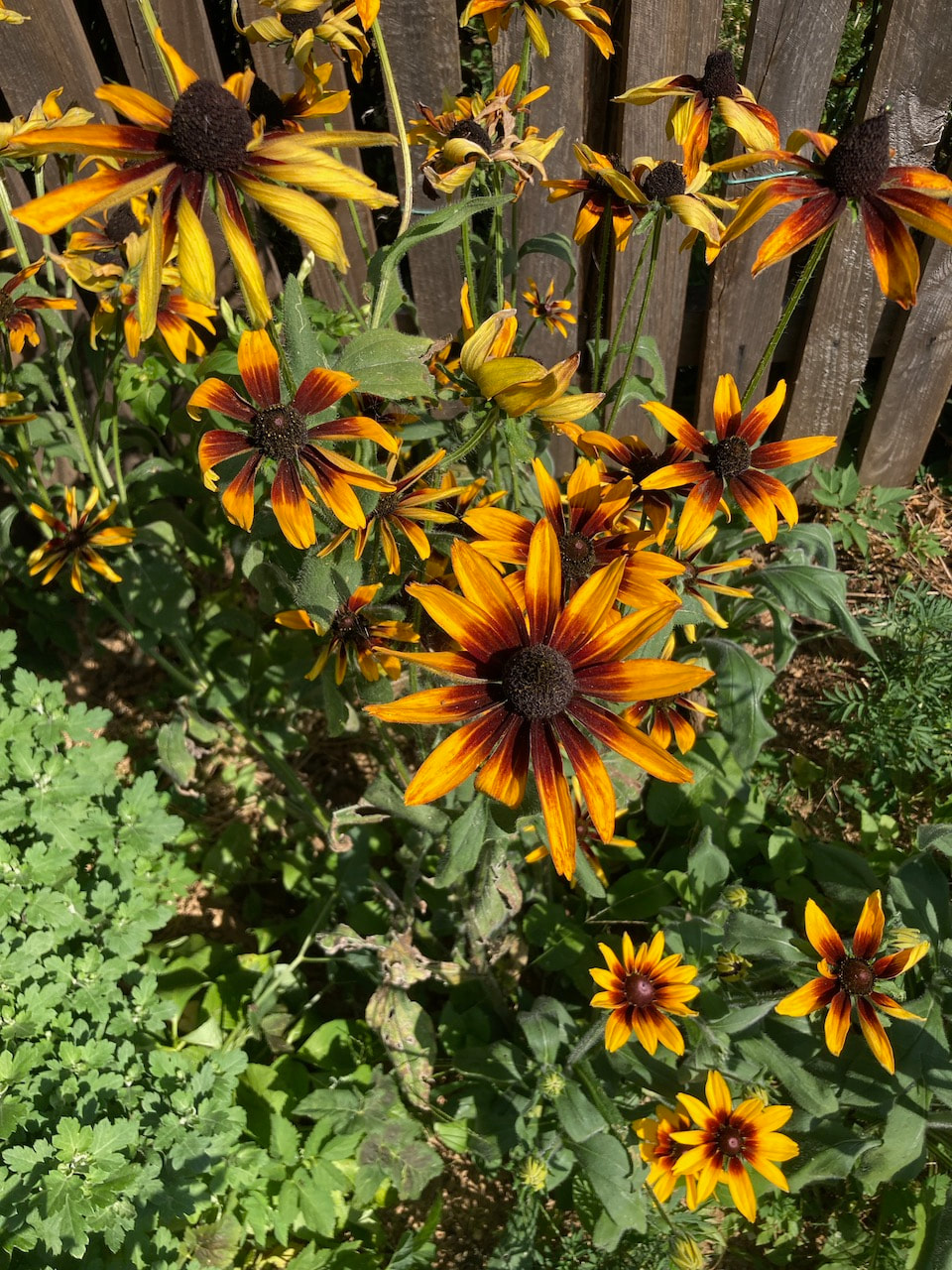
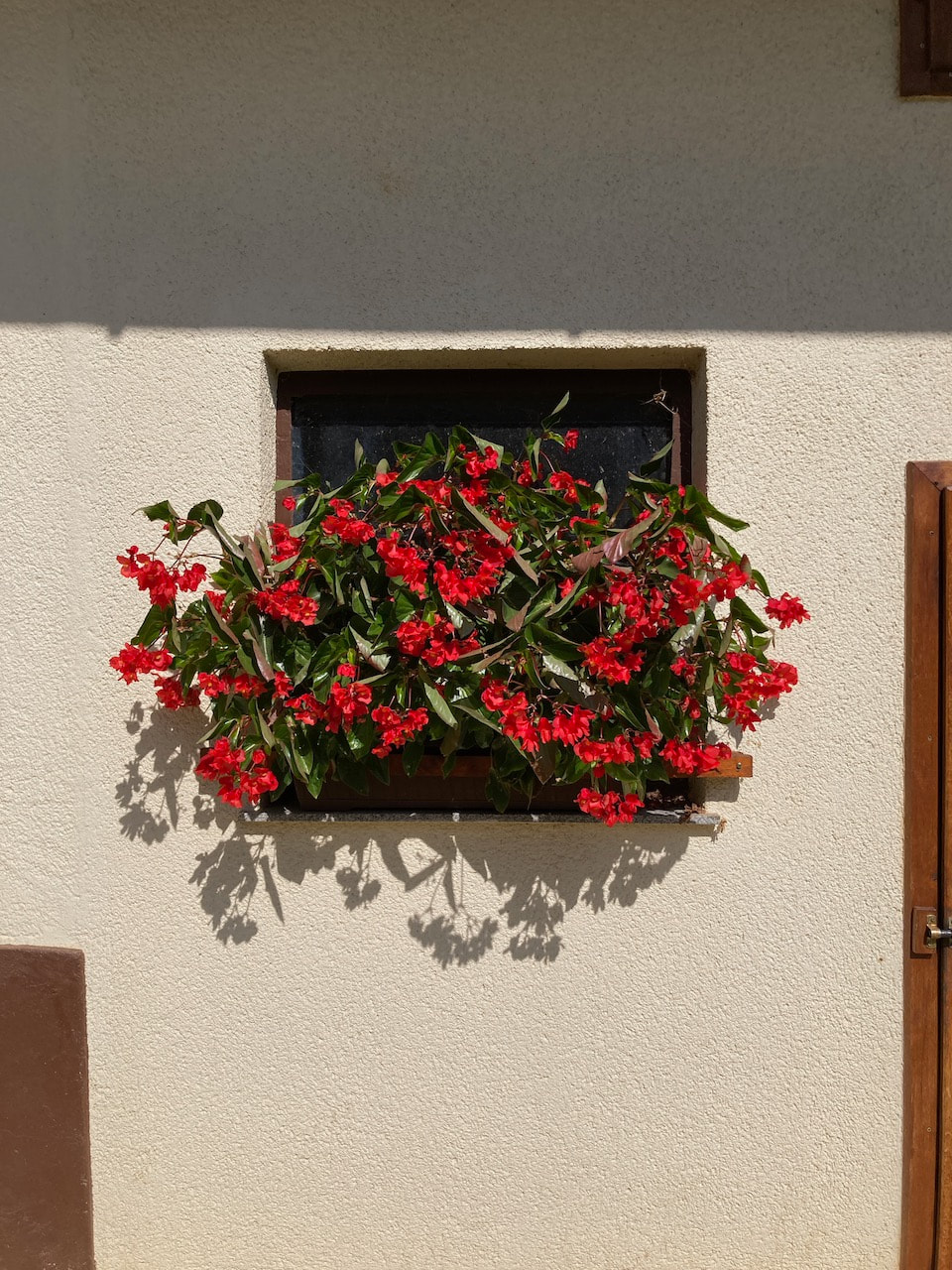
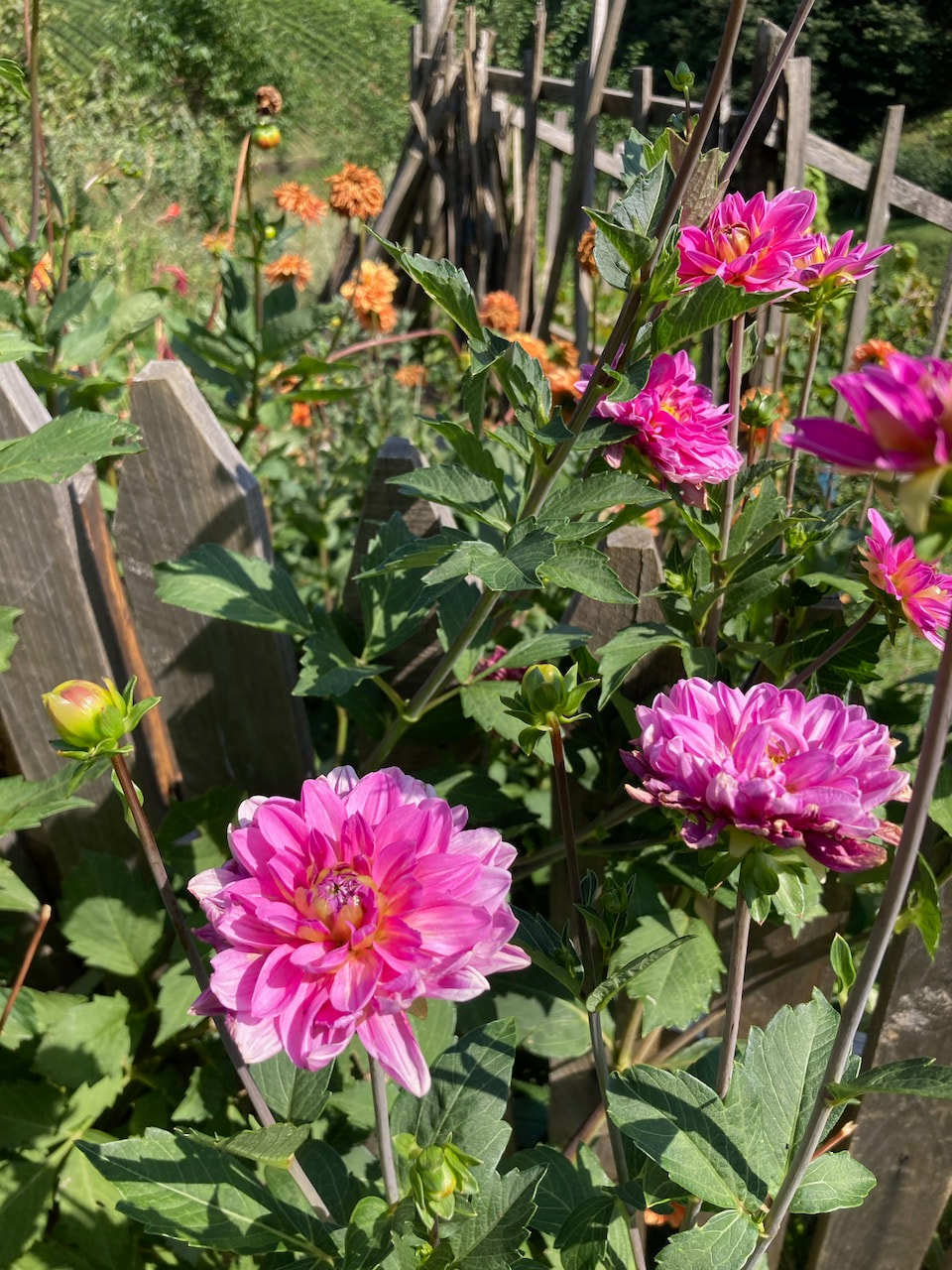
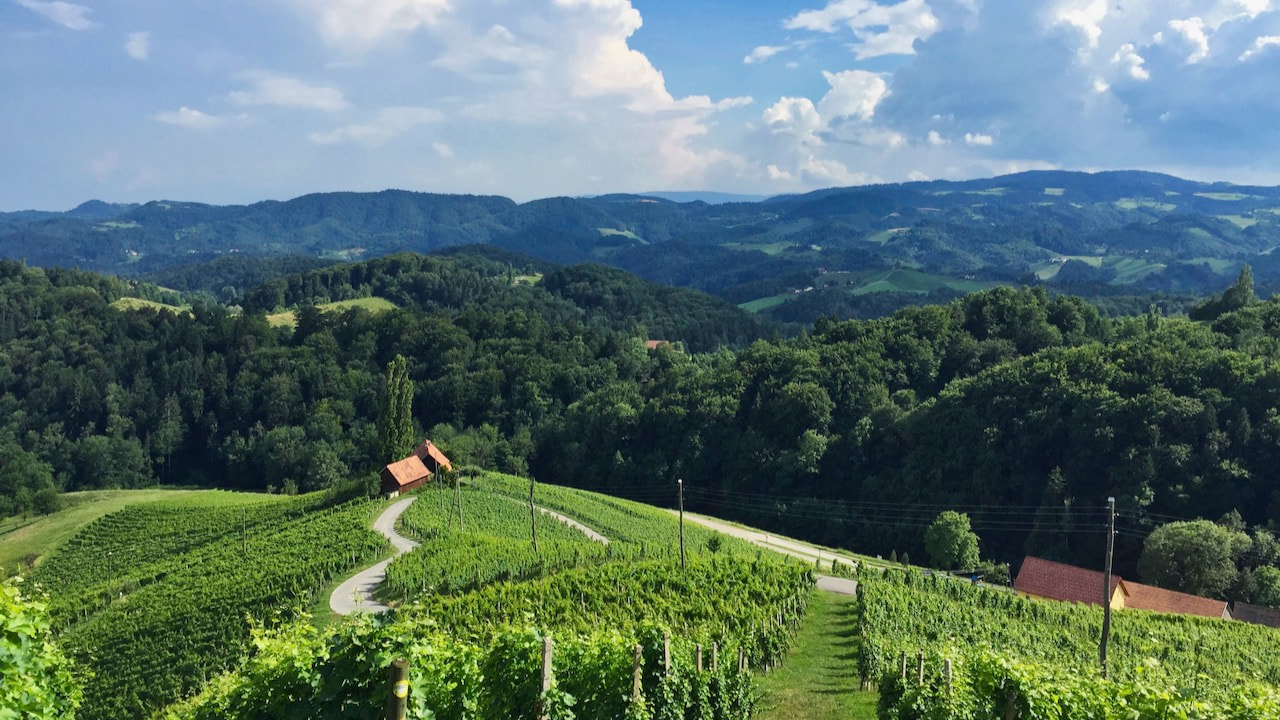
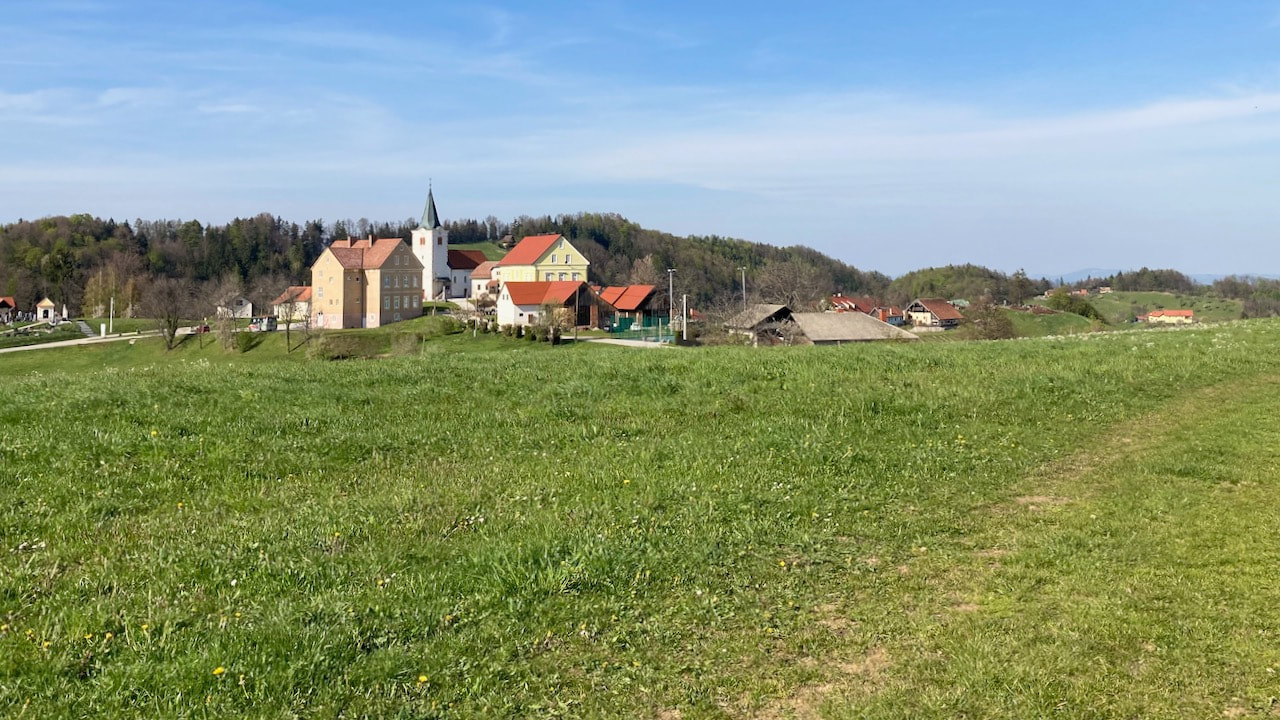
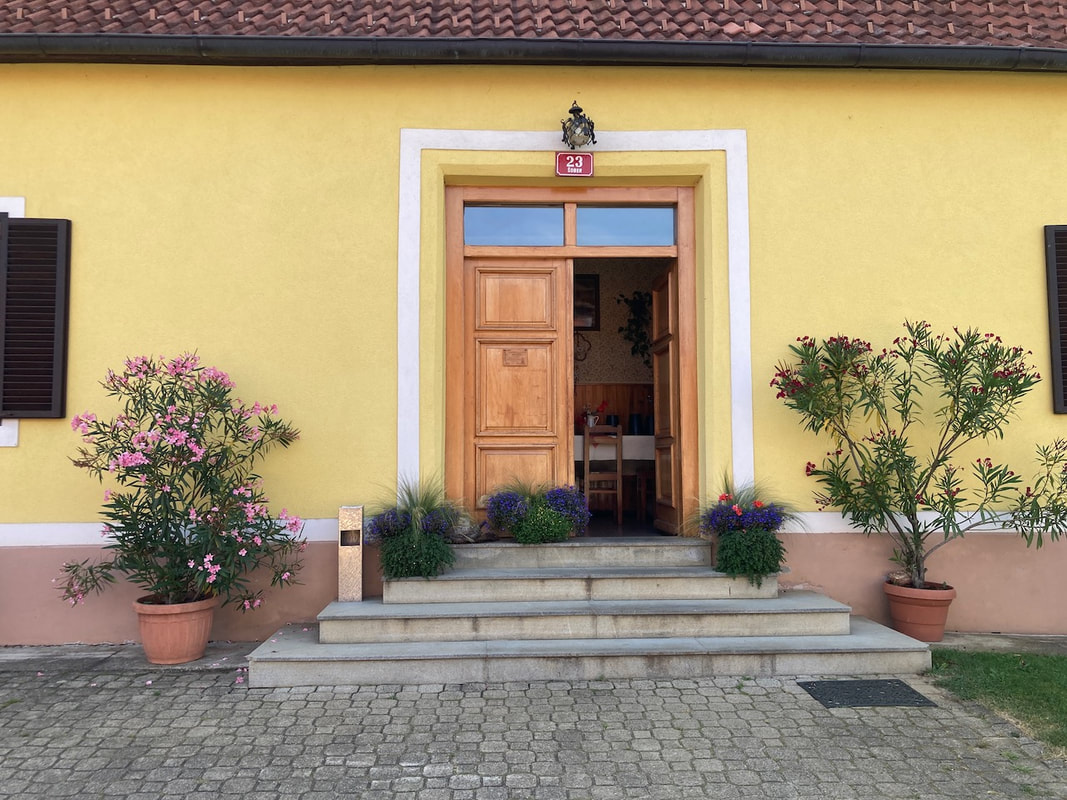
Koren Farm by Korošec is located along the Maribor Wine Road on Kozjak, in the immediate vicinity of the idyllic village of Gaj nad Mariborom. It's tucked away from the urban hustle and bustle, nestled in the embrace of nature.
Picture
Picture
Picture
Picture
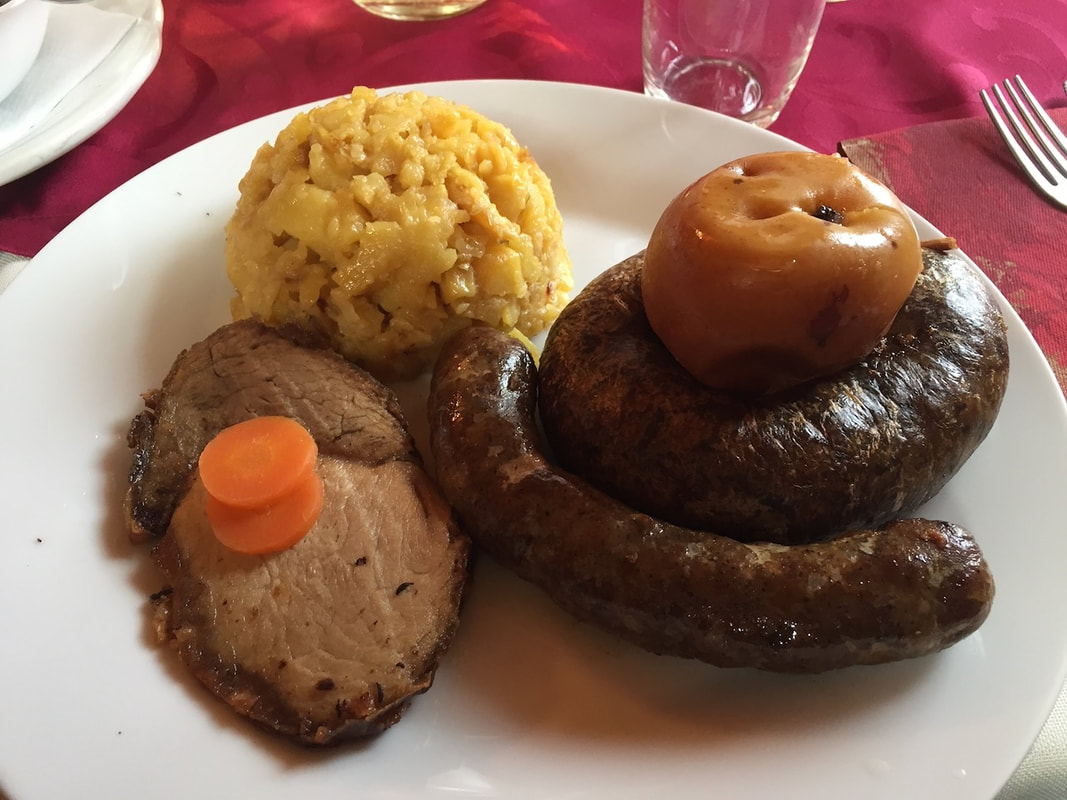
We've been visiting this excursion farm for years. They offer both hot and cold dishes along with beverages. On weekends, they serve home-cooked lunches, and during winter, they prepare traditional pig slaughter dishes.
Picture
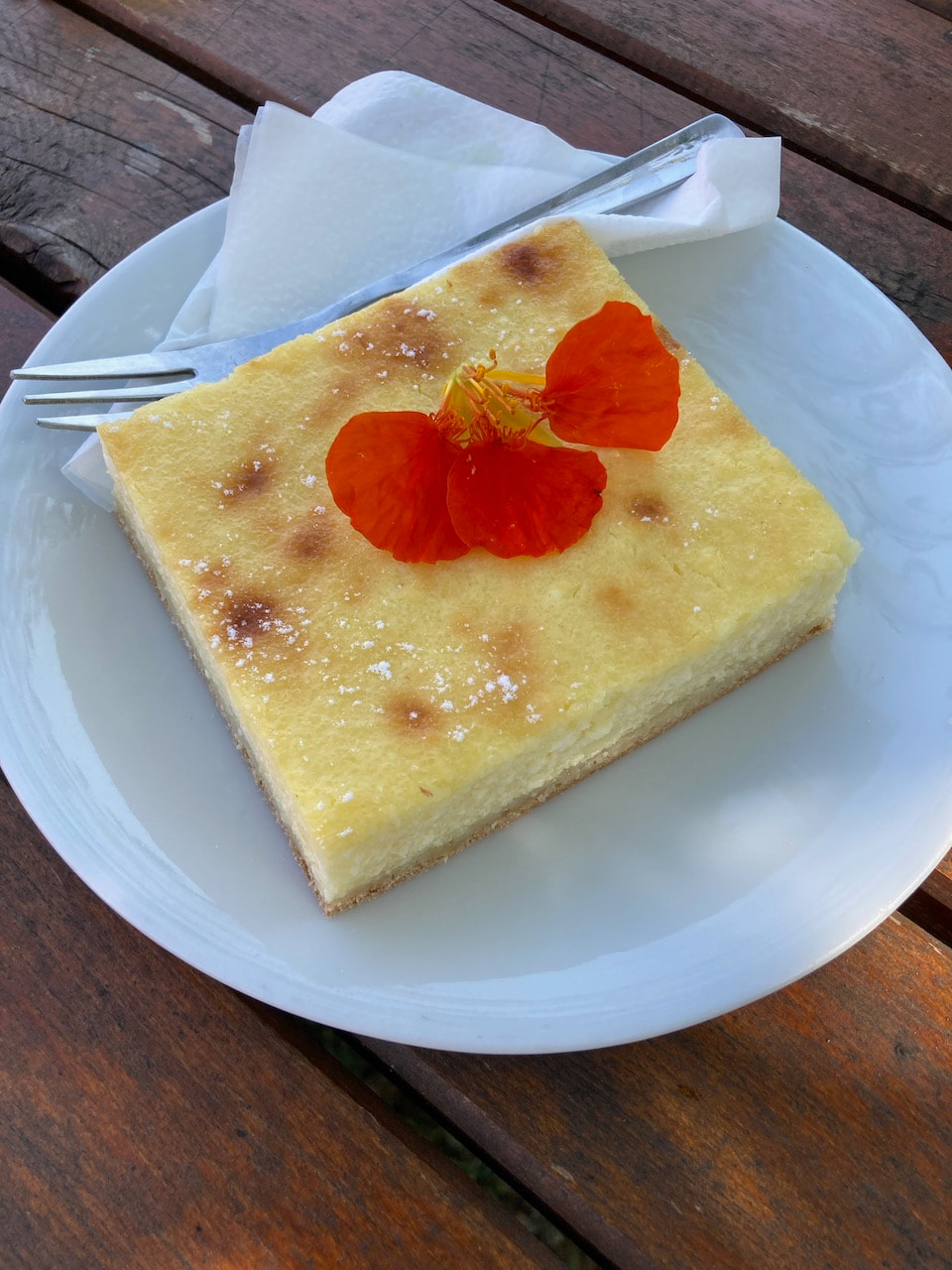
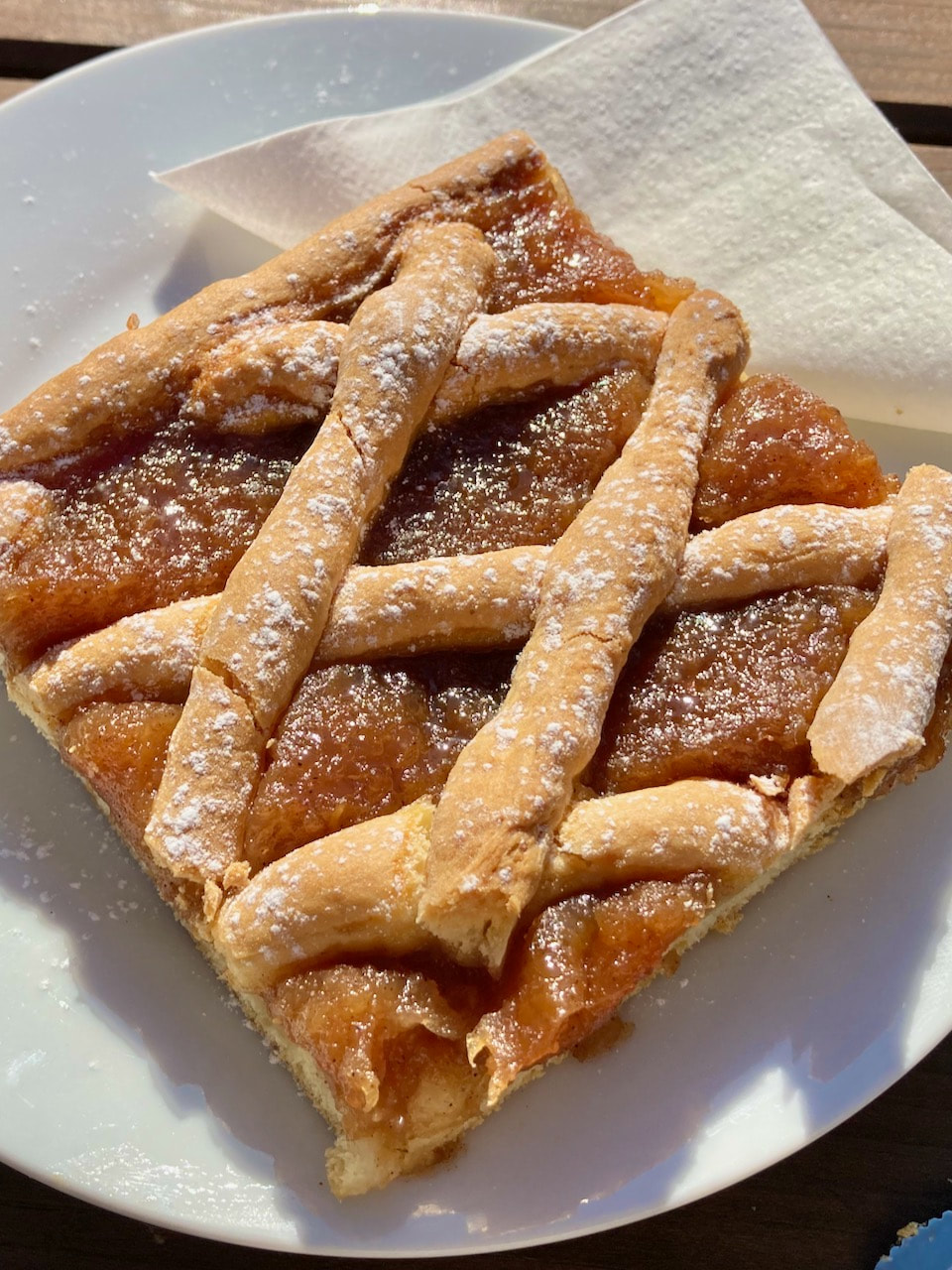
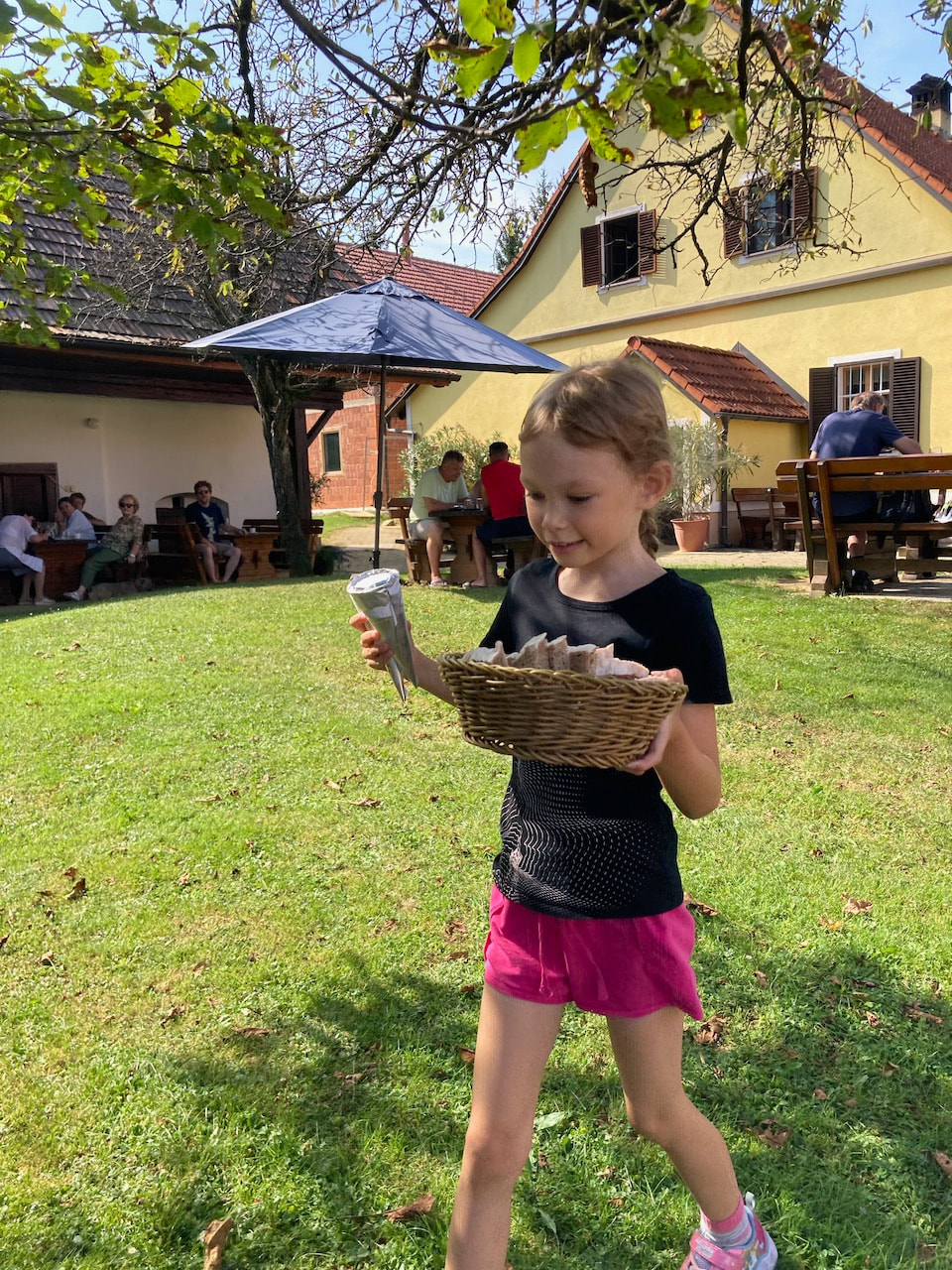
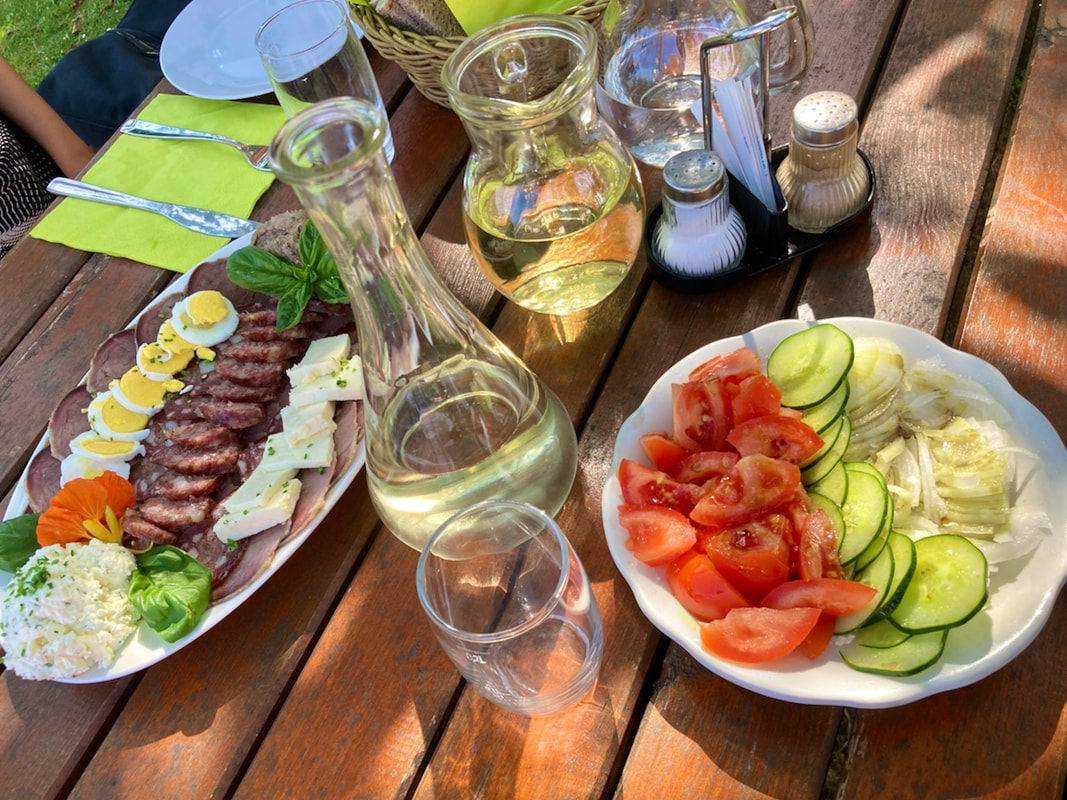
This Sunday, on a wonderfully cloudless summer afternoon, with the temperature soaring above 35º C, we were convinced to find a table under the shade of the walnut tree. As usual, my wife and I craved a local platter and a glass of sweet Muscat wine, brought by the host from their 140-year-old wine cellar. The kids, with their sweet tooth, also opted for a cheese-filled gibanica pastry (though sometimes they prefer apple pie).
Picture
Picture
Picture
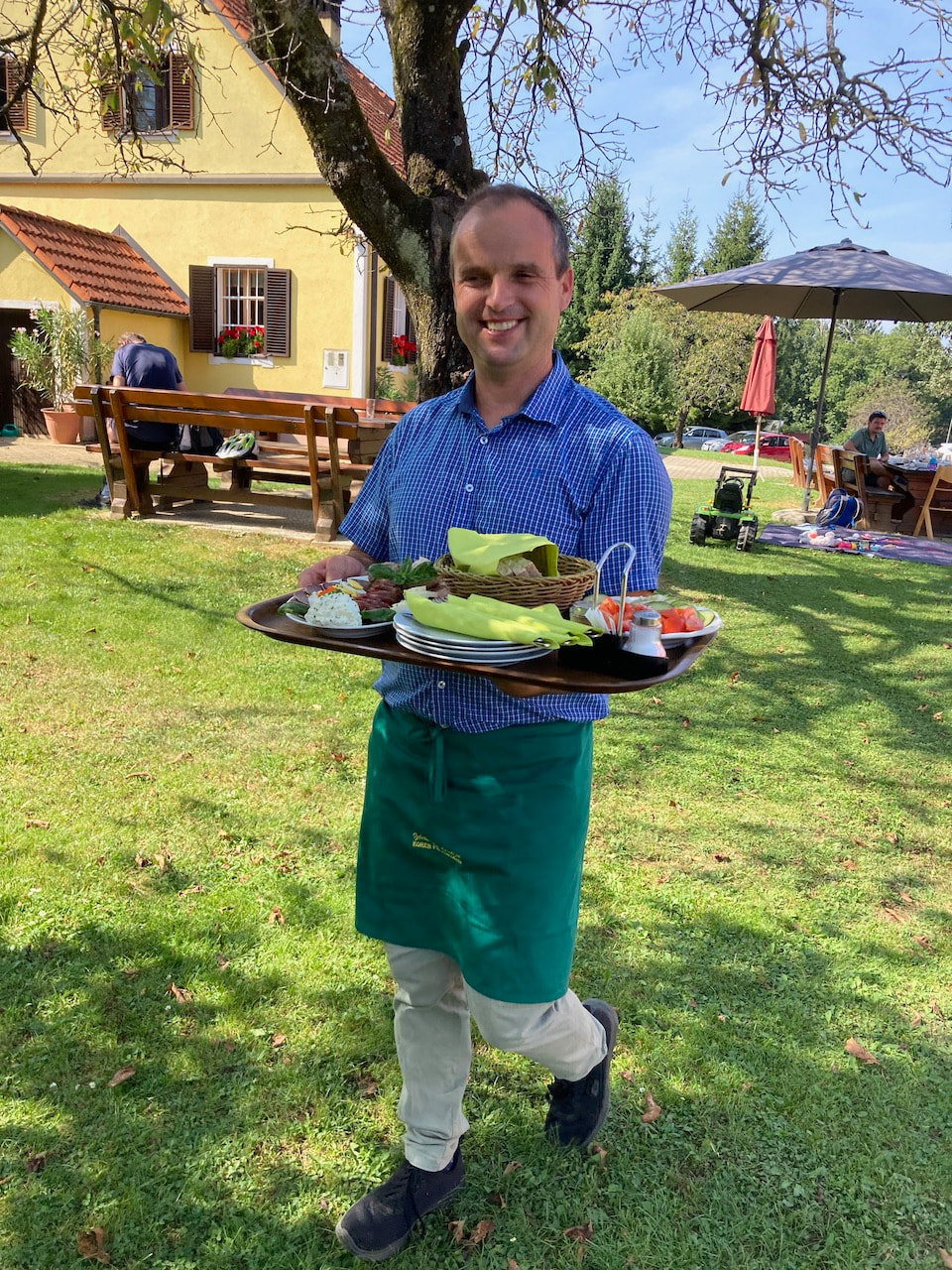
Heartwarming hospitality comes naturally to all three generations that consider the Koren Farm their home. Their affection for the well-maintained estate and their welcoming attitude toward visitors deserves admiration. Perhaps their involvement in one of the tourism programs will bring them even greater recognition. In truth, I'd rather see "our farm" remain our secret, but that hasn't been the case for a long time.
Picture
Picture
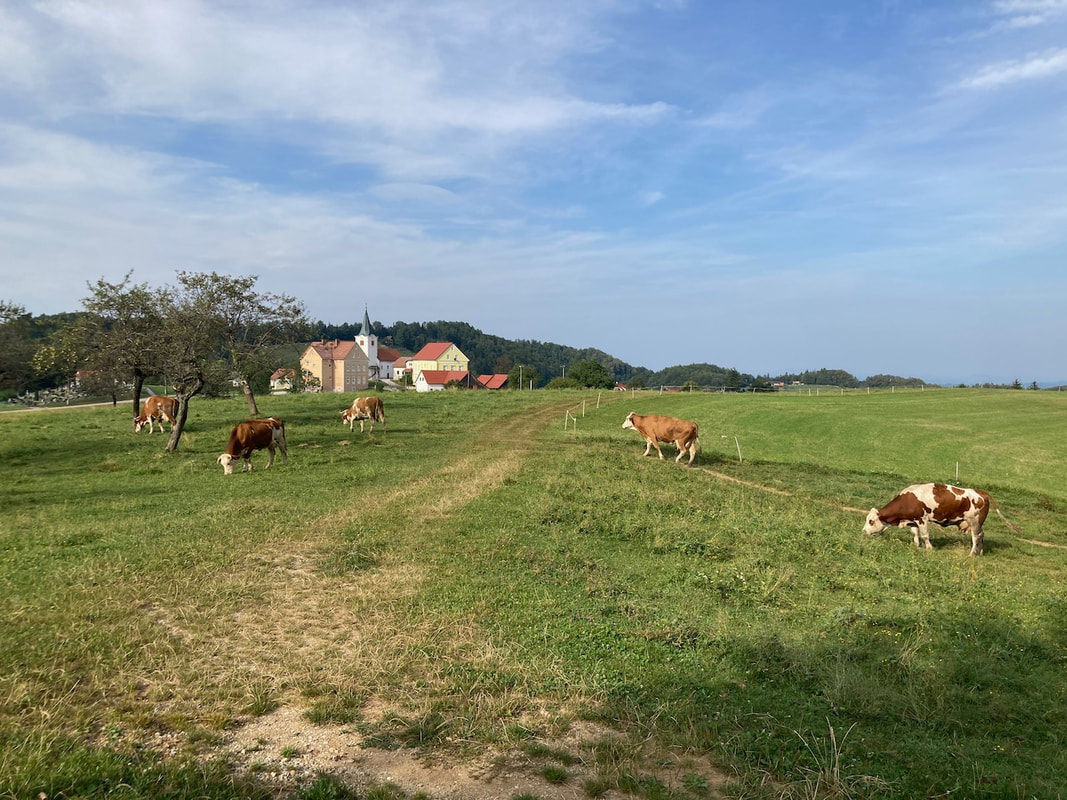
The younger members of our family were eager to get better acquainted with the domestic animals, but these had their tasks and paid them no mind.
Picture
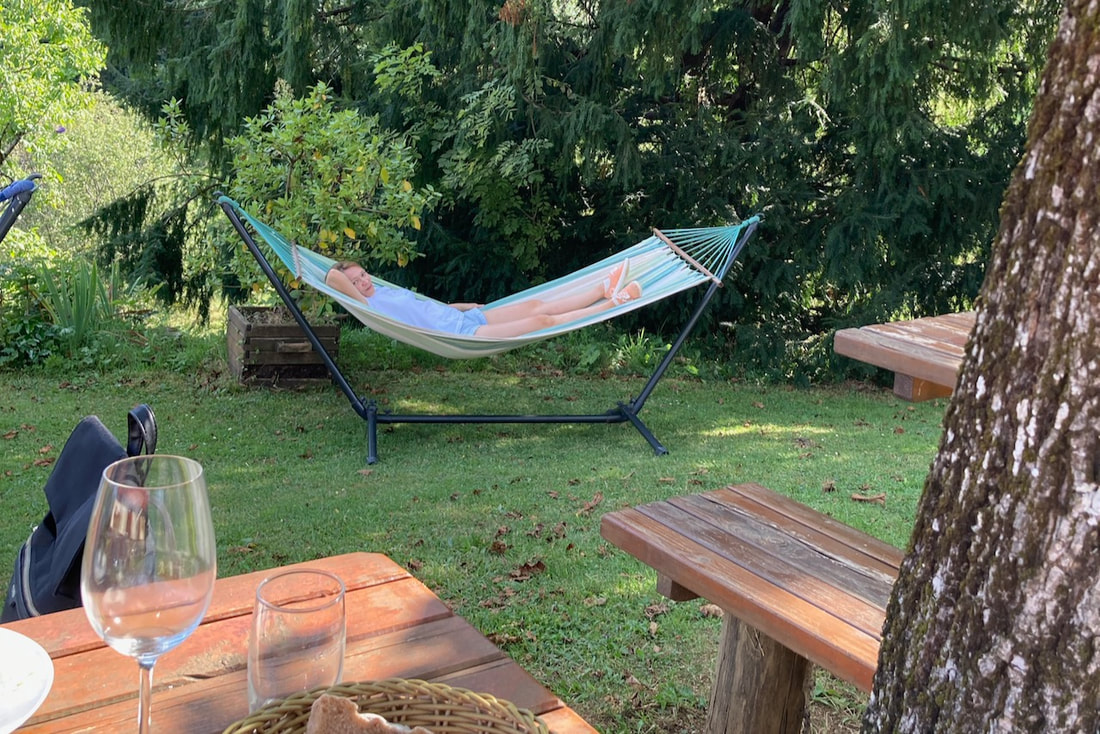
At the farm we felt so at home that we've already arranged for a visit this autumn, when they'll treat us to roasted chestnuts and new wine. This time as well, we didn't rise from the table until there was nothing left to indulge in. Some even managed to sneak in a nap in between bites ;-)
Picture
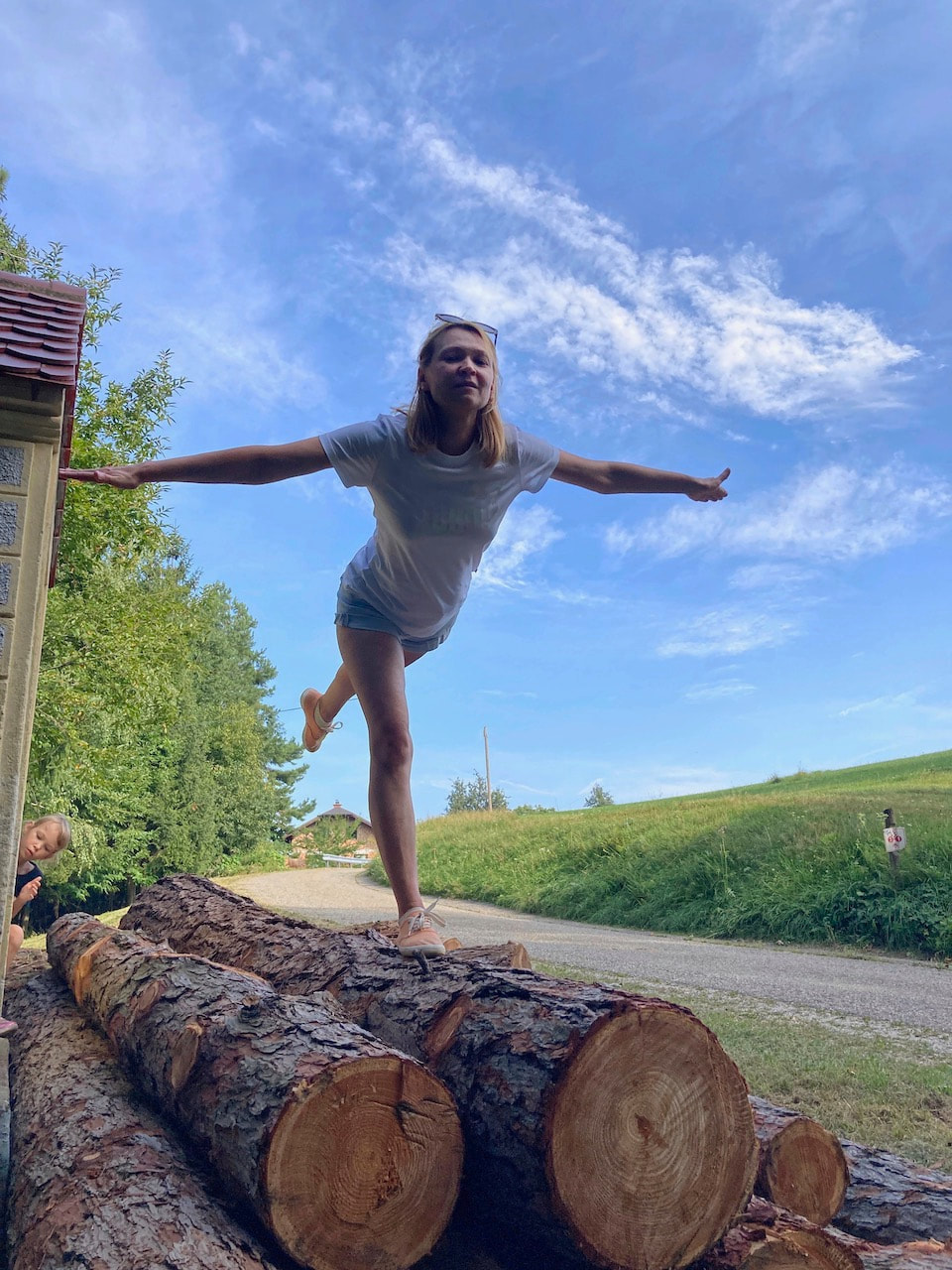
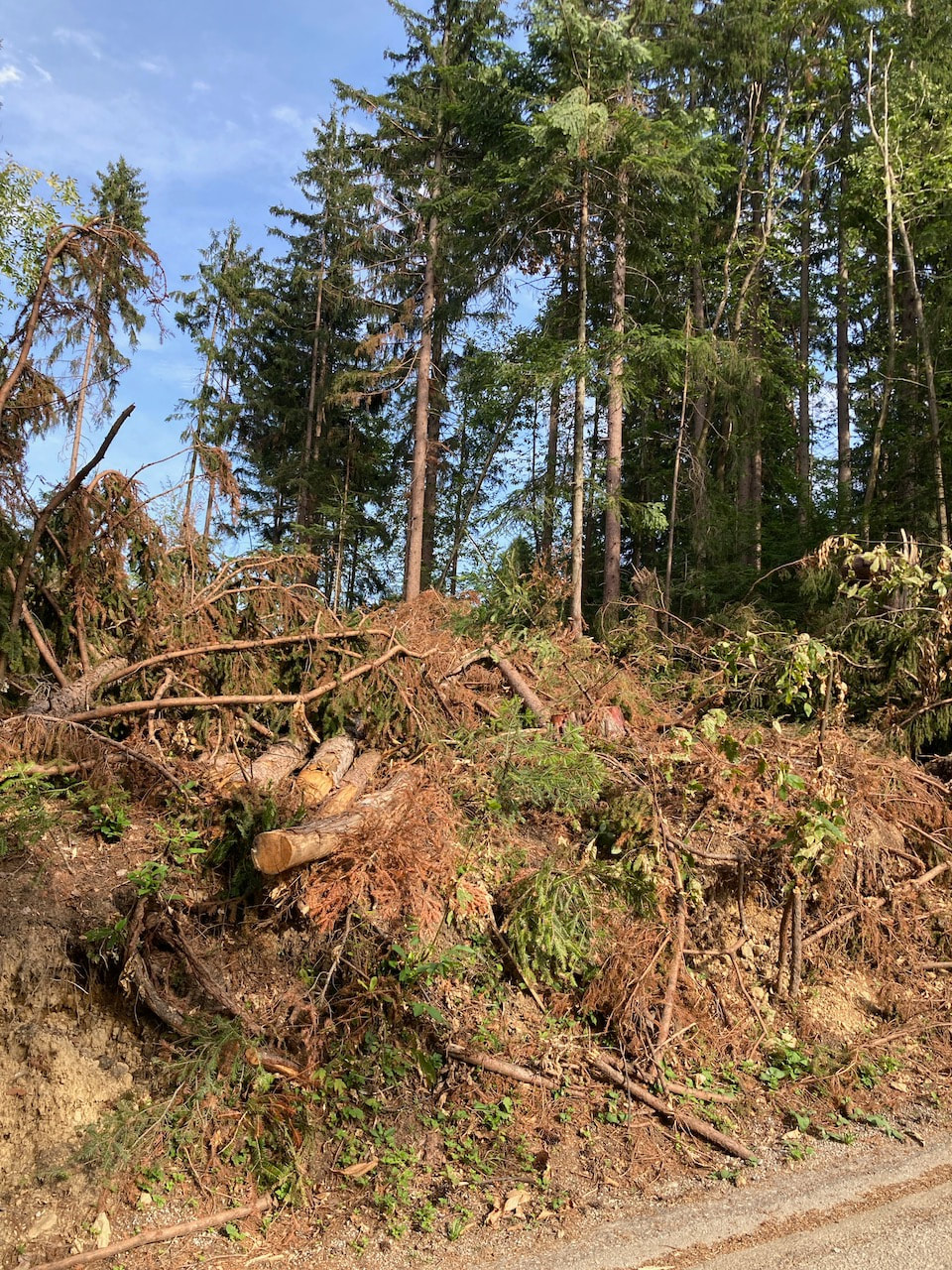
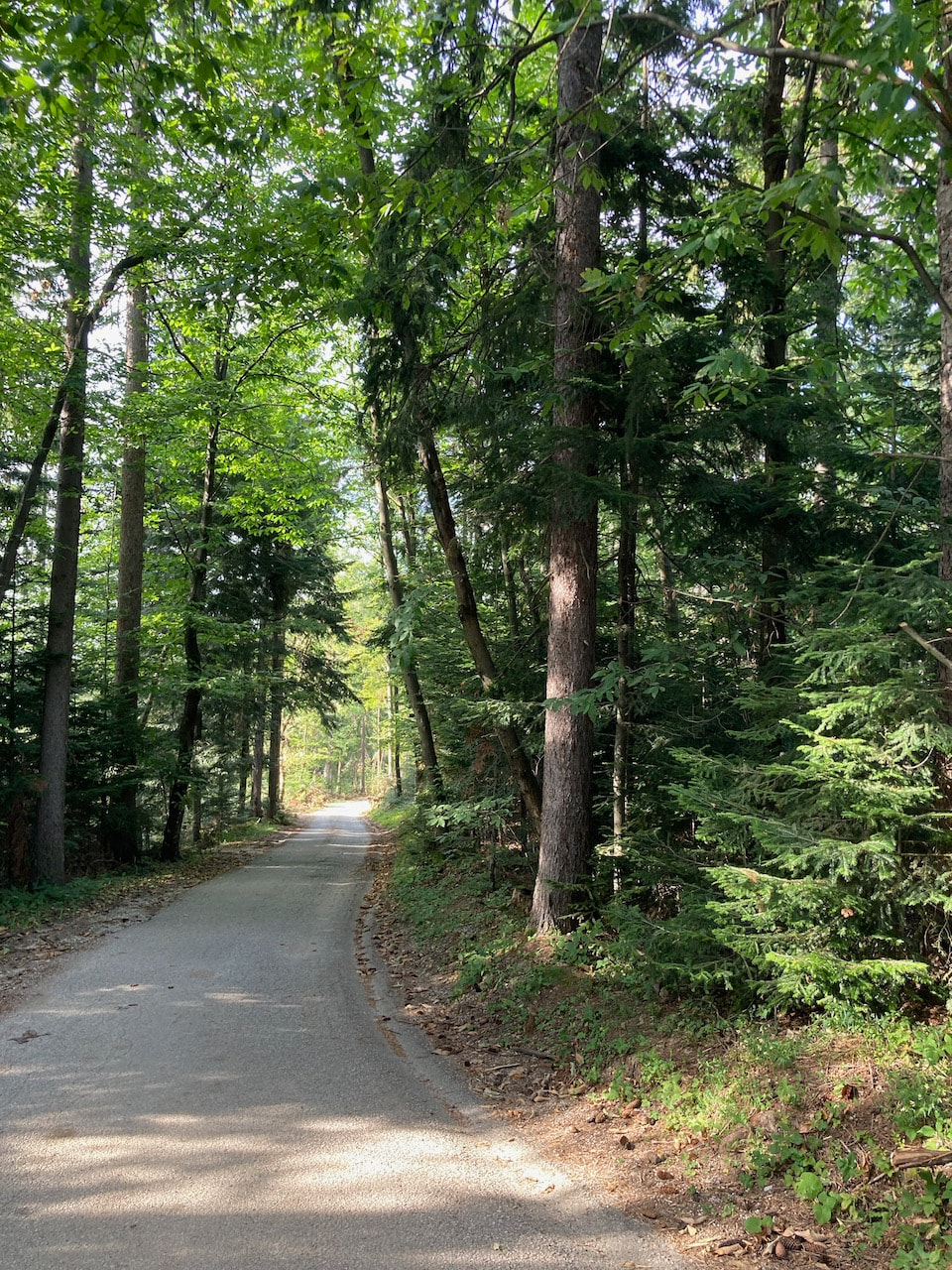
After all the goodness, it was a bit difficult to set out for a walk. The road to Tojzlov Vrh passes by the farm, so we decided to make it as our own. I console myself with the thought that we admired nature, lamented the aftermath of a natural disaster, and even got in some exercise along the way, since we didn't quite make it to the top ;-)
Picture
Picture
Picture

Izletniška kmetija Koren pri Korošcu, Šober 23, Bresternica, Slovenija
+386 (0)31 735 030, +386 (0)2 656 06 91
[email protected]
https://www.turisticnekmetije.si/kmetija/koren-pri-koroscu
0 Comments

3 places in Central Dalmatia truly worth visiting (part 4 of 4)

26/8/2023

0 Comments


Primošten

Picture
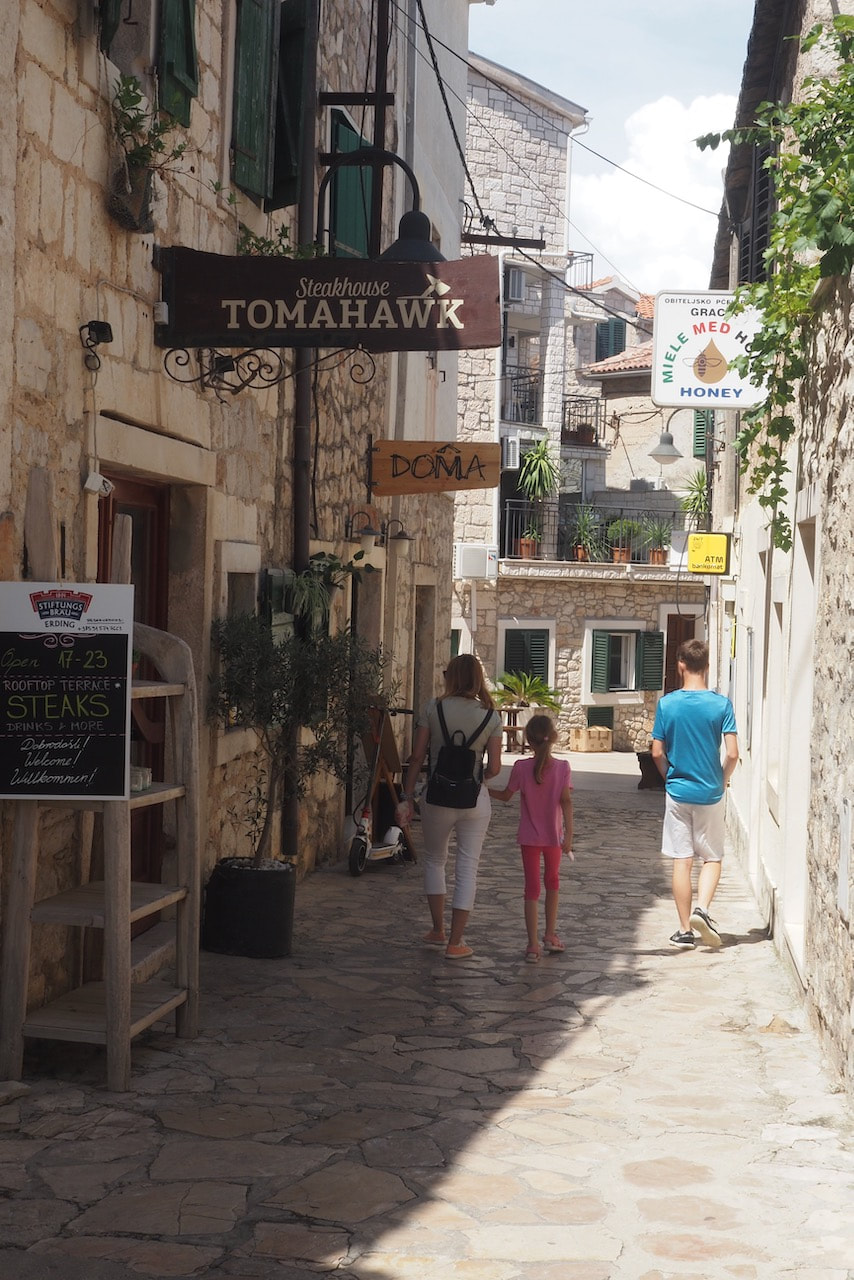
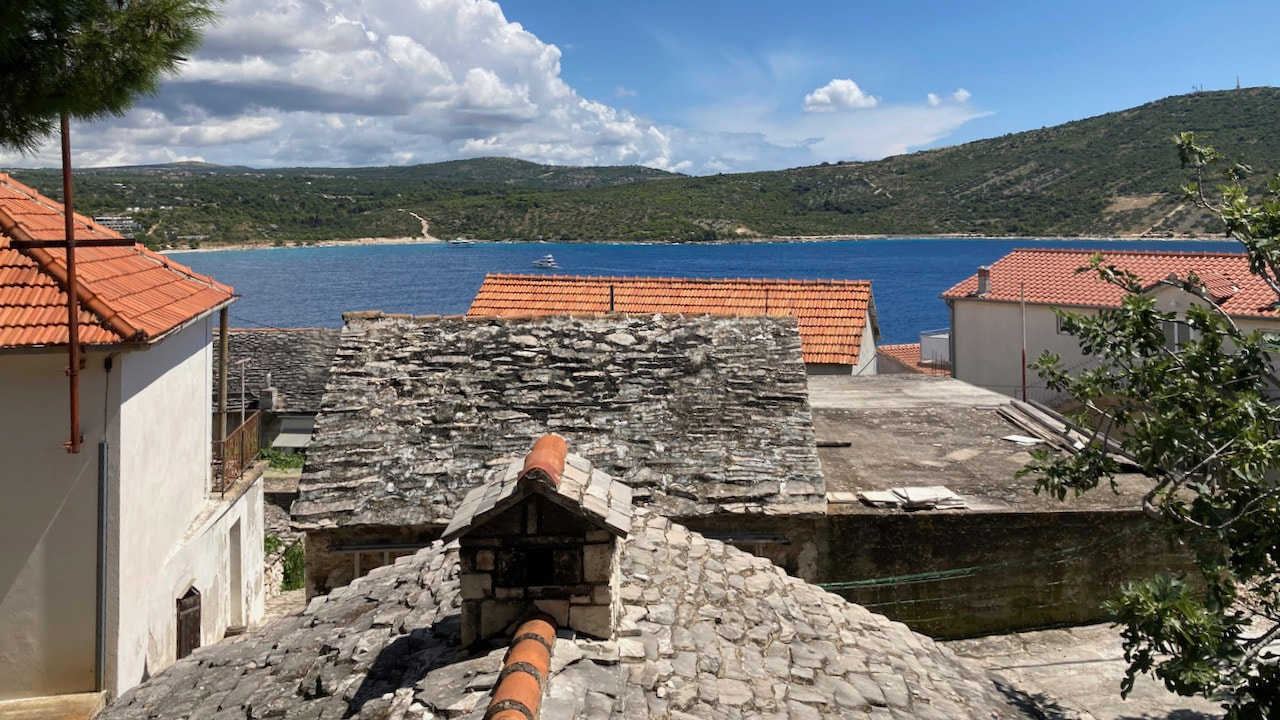
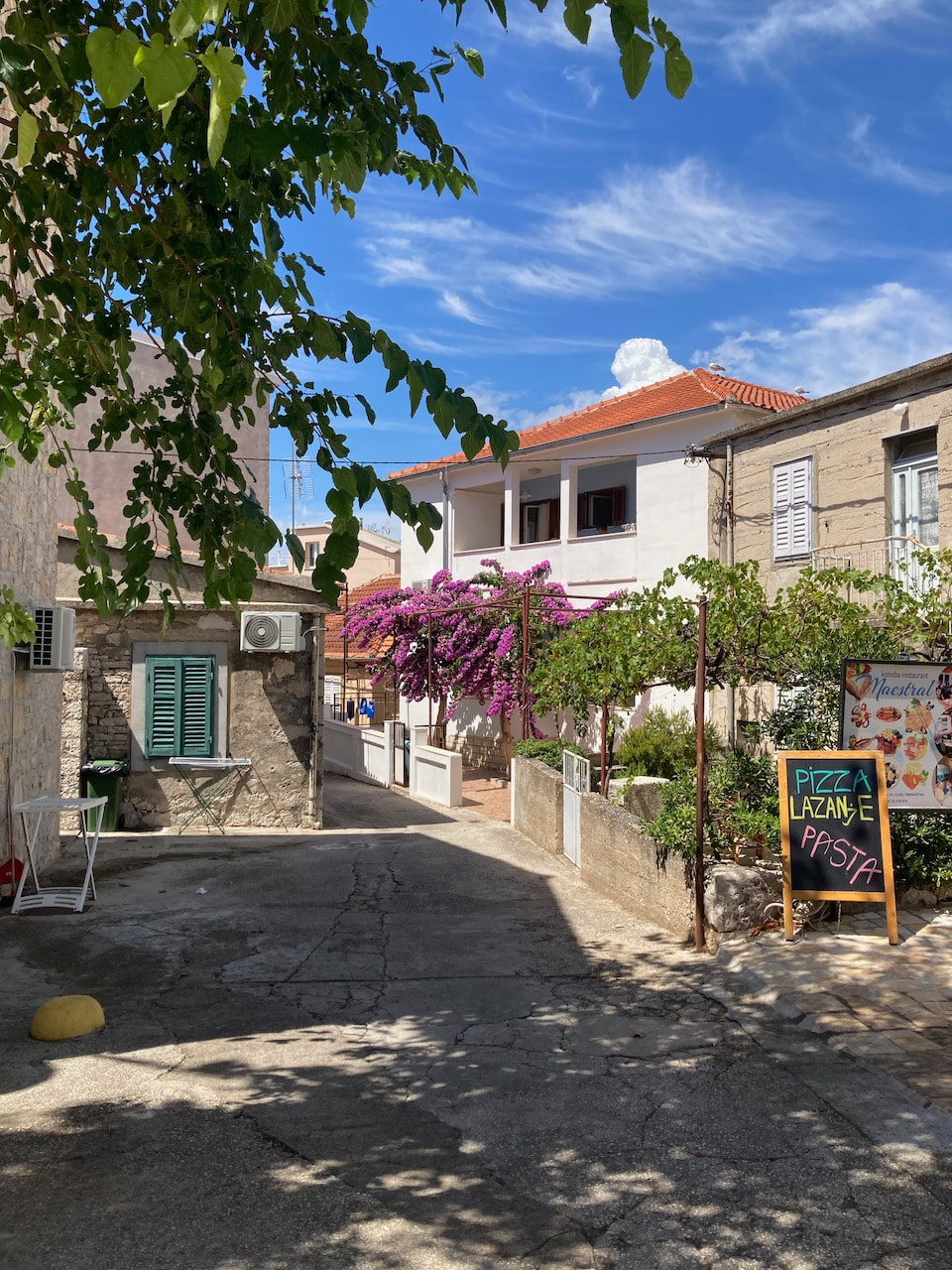
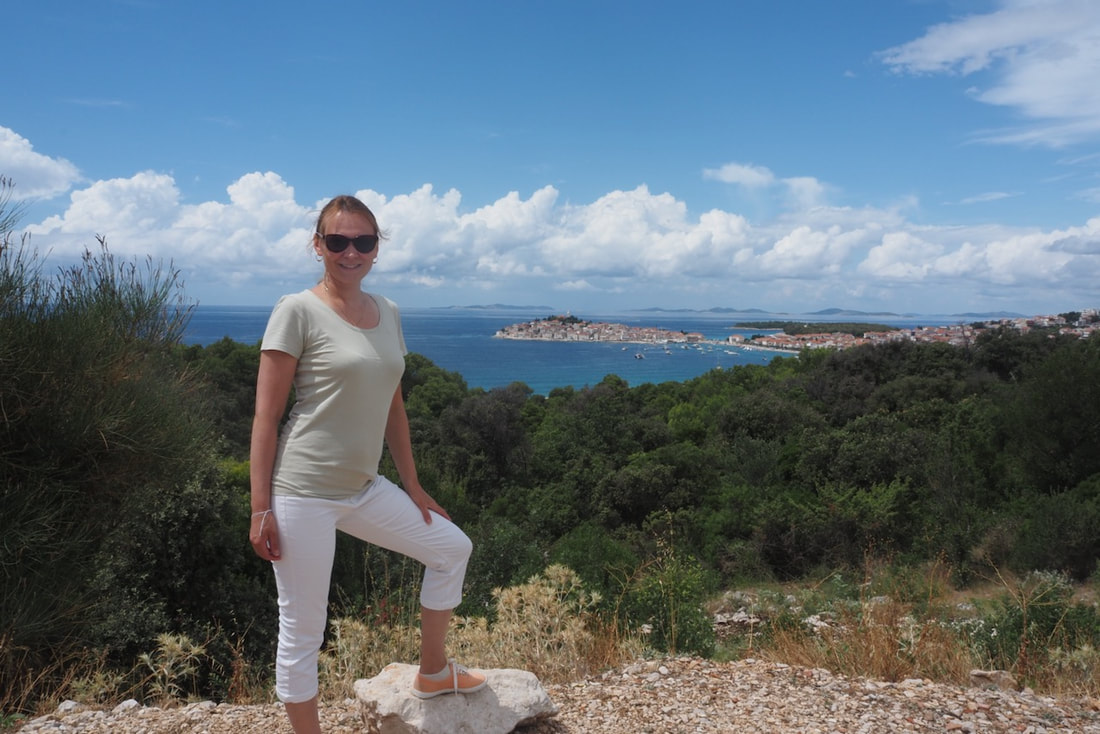
Primošten, a picturesque Dalmatian town, captivates visitors with its medieval atmosphere. Charming stone houses, narrow streets, and stunning sea views create a romantic backdrop for a relaxing vacation.
Picture
Picture
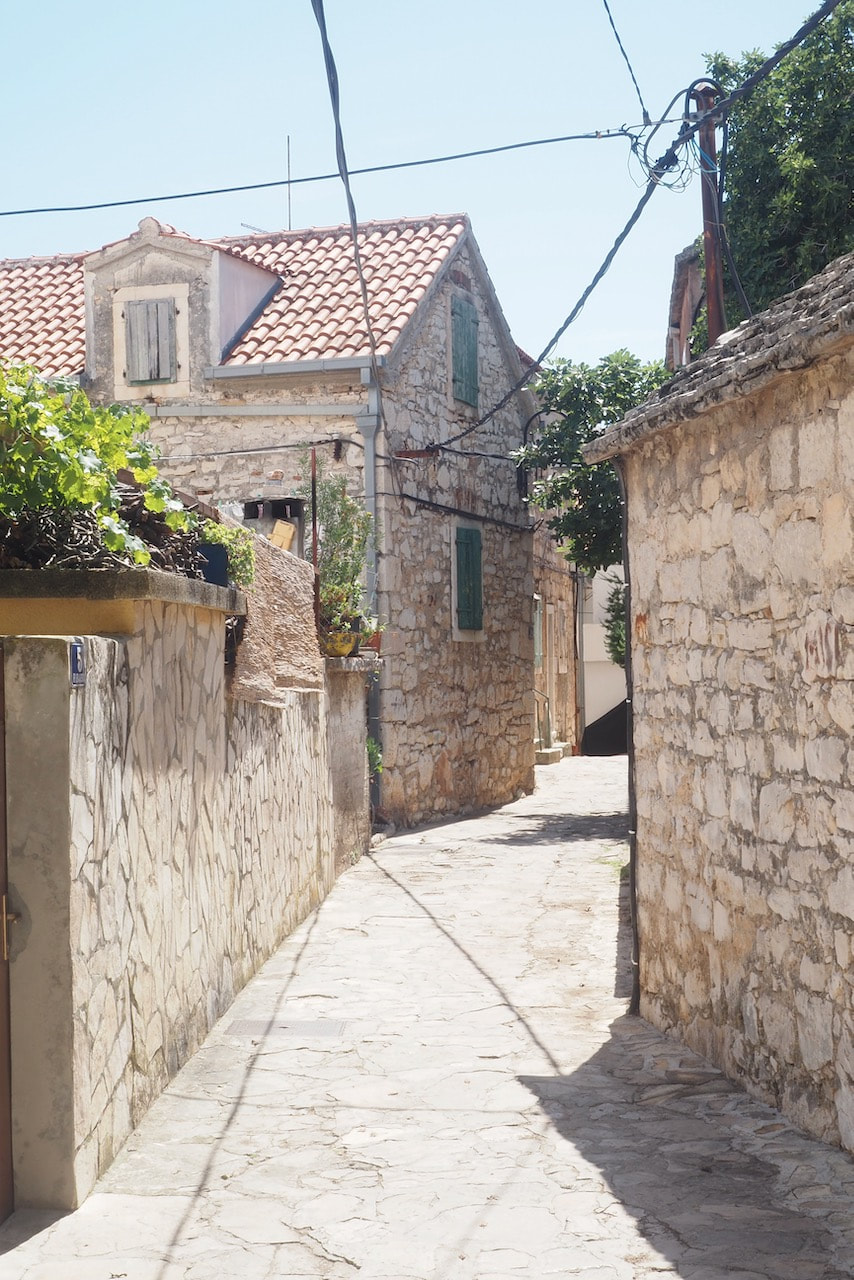
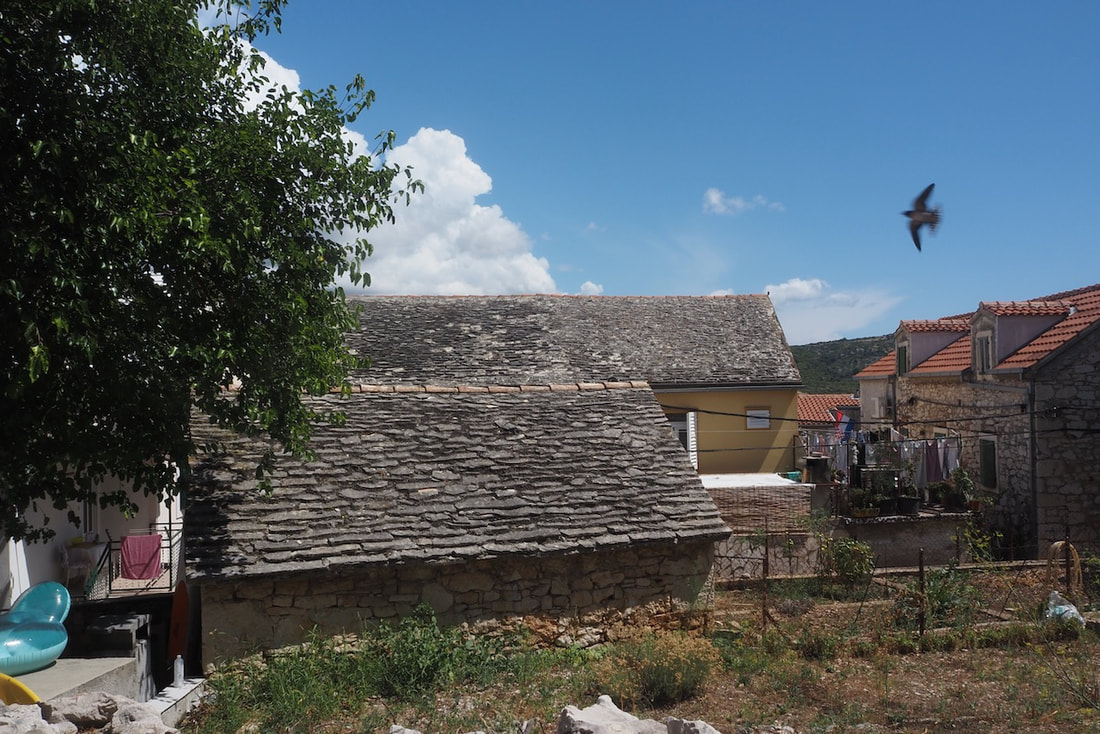
The idyllic Primošten, a beautiful fishing settlement, enchants with its rich historical heritage and authentic Mediterranean charm. Situated on a peninsula along the Adriatic Sea, this stunning town is a true gem. Its stone houses in narrow alleys preserve its unique identity, bearing witness to the medieval history of Dalmatia and creating a distinctive atmosphere for visitors seeking to enjoy the magical Adriatic environment.
Picture
Primošten's history dates back to ancient times when Greek and Roman inhabitants settled here. In the Middle Ages, Primošten developed as a defensive settlement built on a hill. Its strategic position provided an excellent vantage point over the sea and the surroundings. Walls and towers played a crucial role in protecting Primošten from attacks and piracy.
Picture
Picture
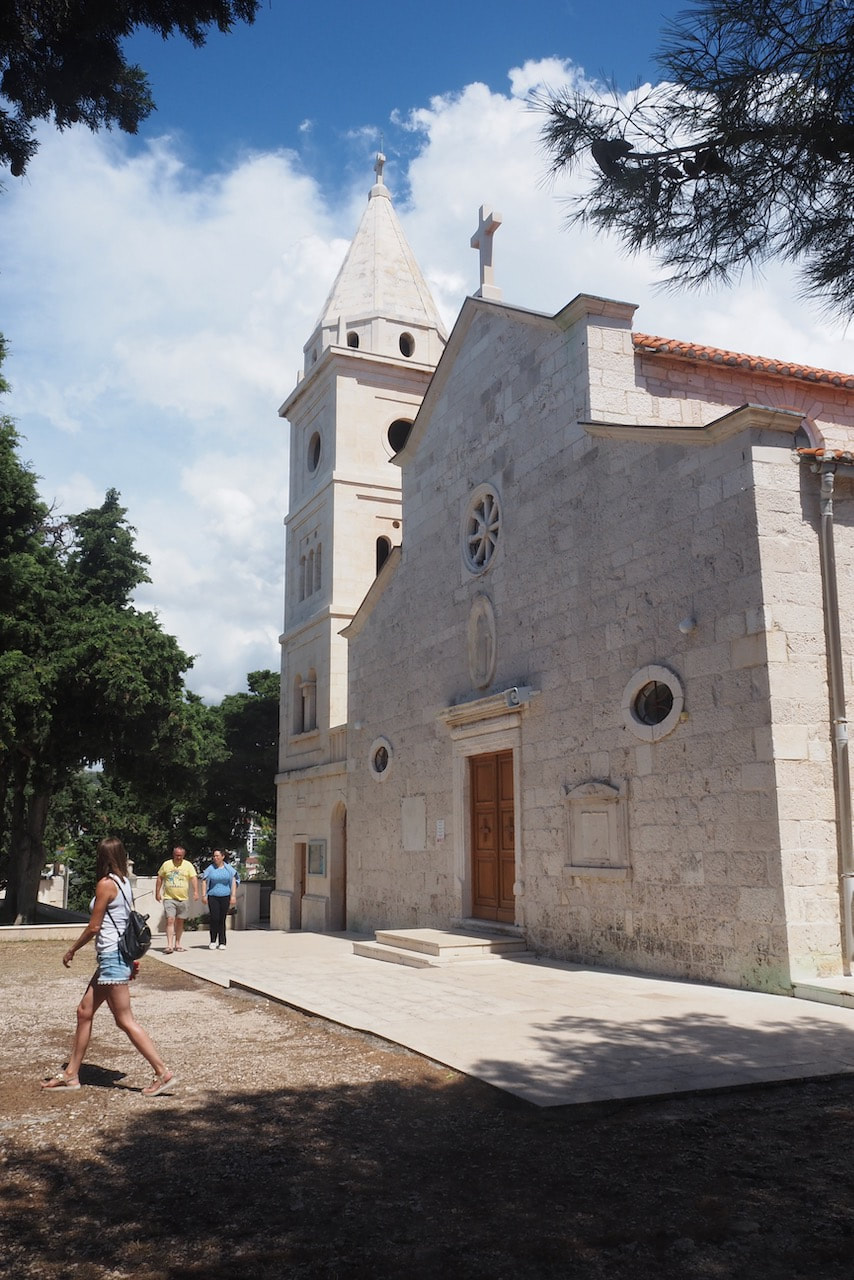
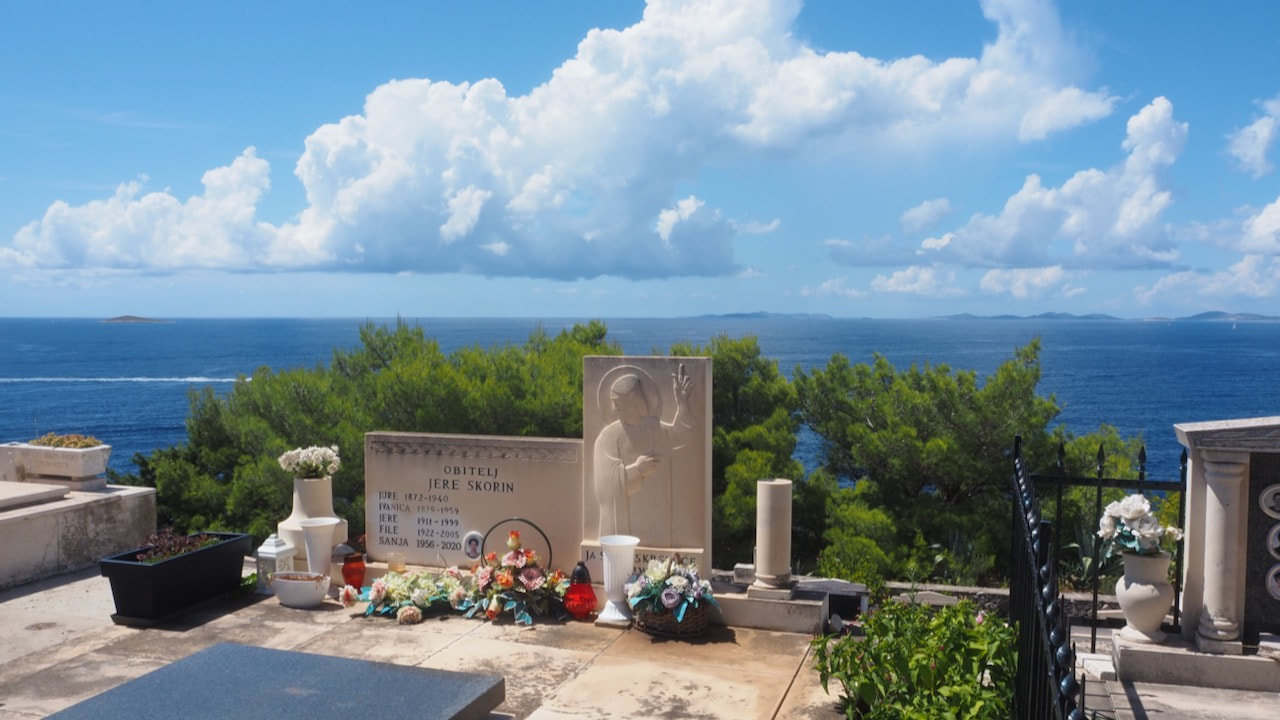
The centerpiece of Primošten is the stone church of St. George, its predecessor having been built atop the hill in the 15th century. The church is surrounded by a park and a cemetery that cover the entire tip of the peninsula. From here, a breathtaking view of the coastline and islands unfolds. Well, this actually seems like a pleasant place for eternal rest, doesn't it?
Picture
Picture
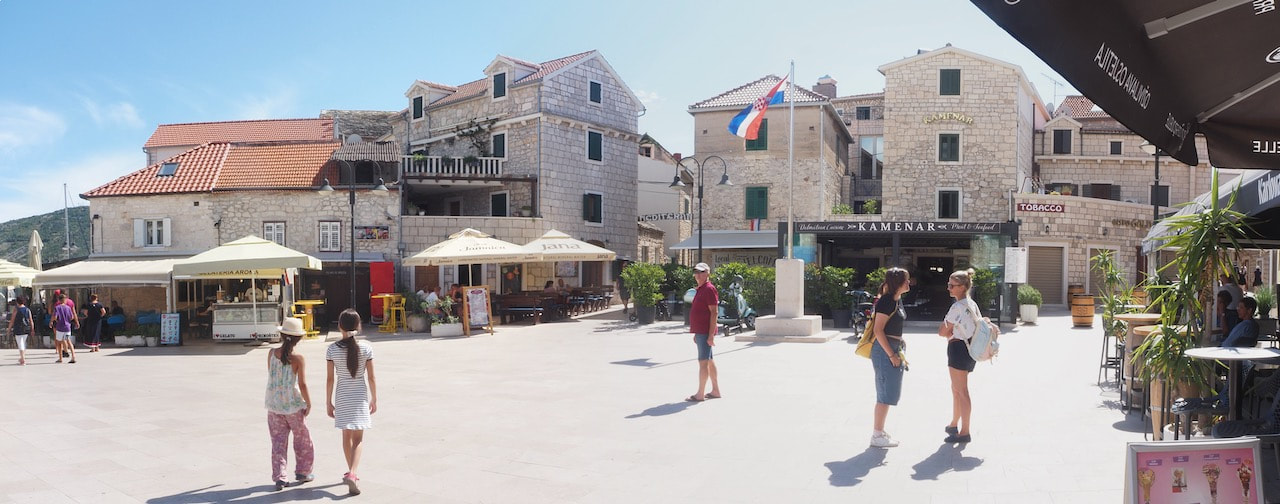
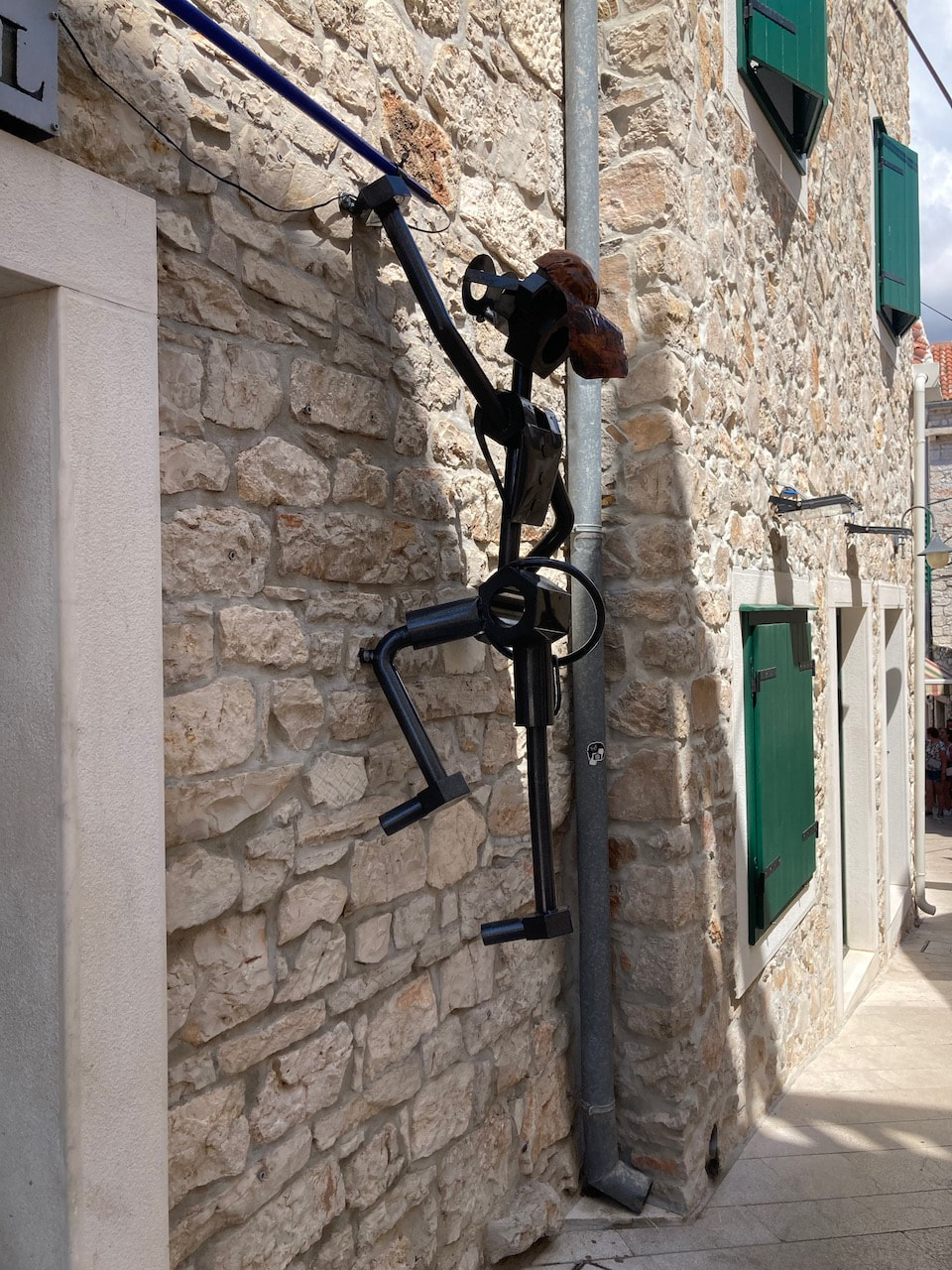
In addition to its historical sacred landmarks, Primošten offers charming secular architecture, stone houses, narrow streets, and picturesque squares. The town is a true historical gem of the Mediterranean coast, defying time and preserving its authentic appearance. It's a place where even modern visitors can stroll down cobblestone streets, discover hidden corners, and immerse themselves in a past that seamlessly blends with the present in a unique way.
Picture
Picture
Picture
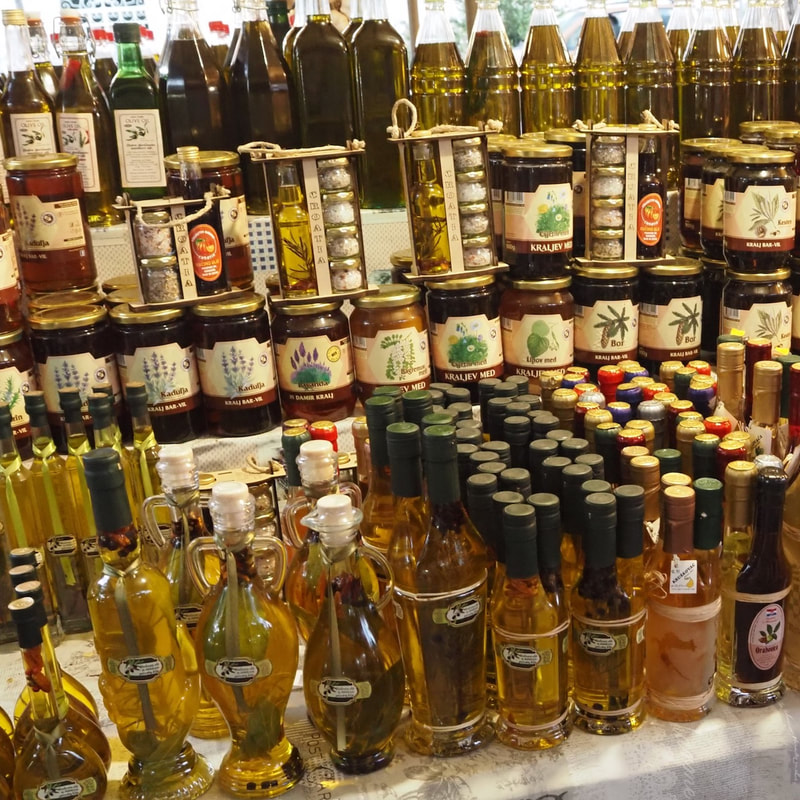
Primošten and its surroundings have a diverse economic structure based on local resources and needs. Overall, the economic landscape of Primošten is a successful blend of natural resources and the area's cultural heritage. Tourism is a central economic activity in Primošten and its vicinity. Beautiful beaches, picturesque surroundings, historical landmarks, and the preserved Mediterranean atmosphere attract visitors. Hospitality establishments, accommodations, tourist agencies, and other services are pivotal to the local economy. Fishing, supported by its coastal location, plays an important role in the area's economy. The Primošten region is also known for producing wines, olives, and other agricultural products. Locally produced olive oils, wines, and other goods are significant sources for both local consumption and sales. Shops, gastronomy, and other services (crafting and selling ceramics, textiles, jewelry, and other traditional crafts) cater to the needs of both residents and tourists.
Picture
< previous
0 Comments

3 places in Central Dalmatia truly worth visiting (part 3 of 4)

26/8/2023

0 Comments


Split

Picture
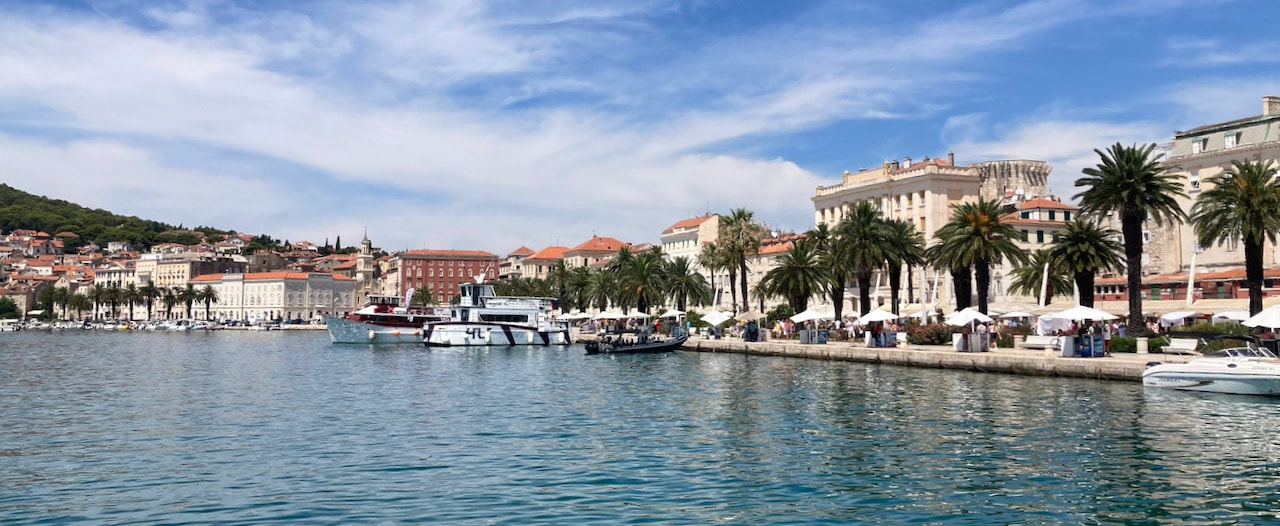
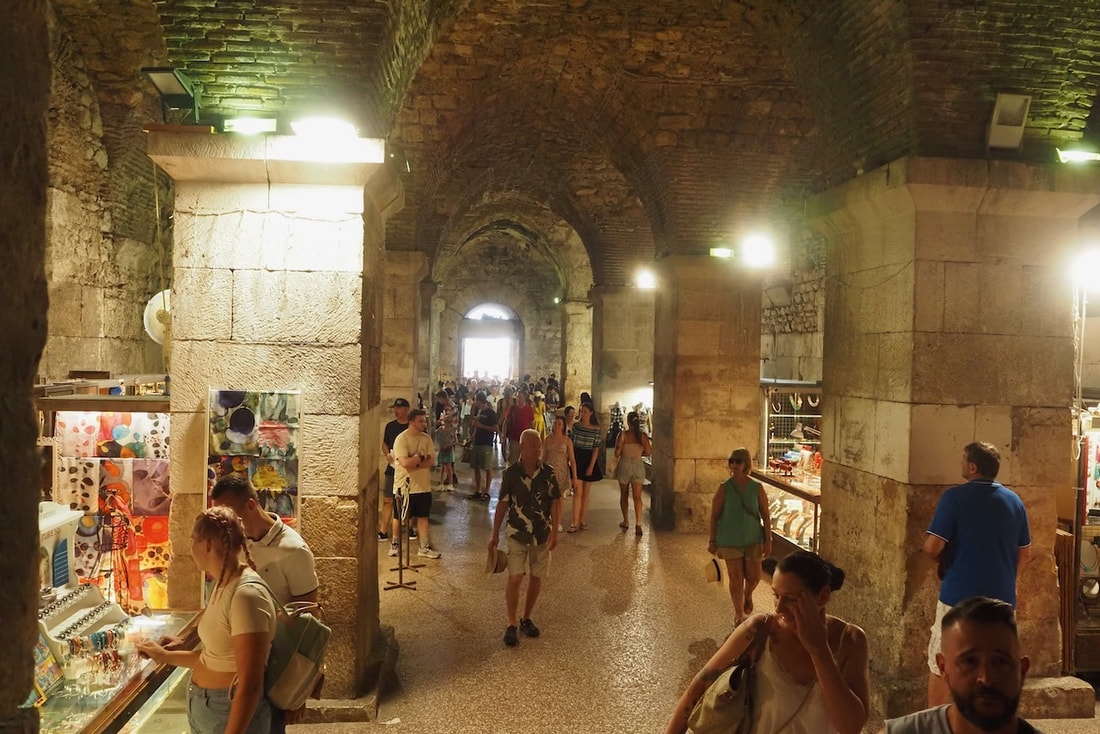
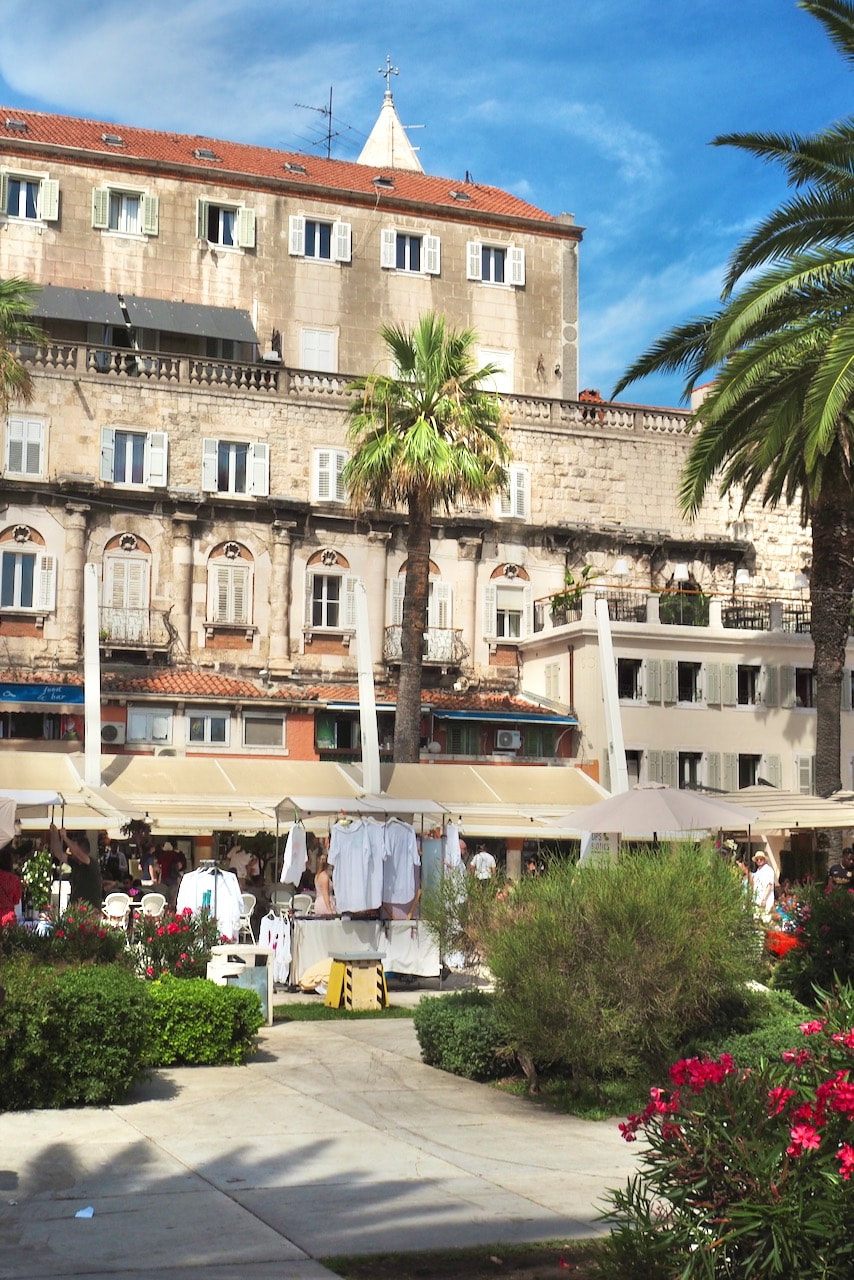
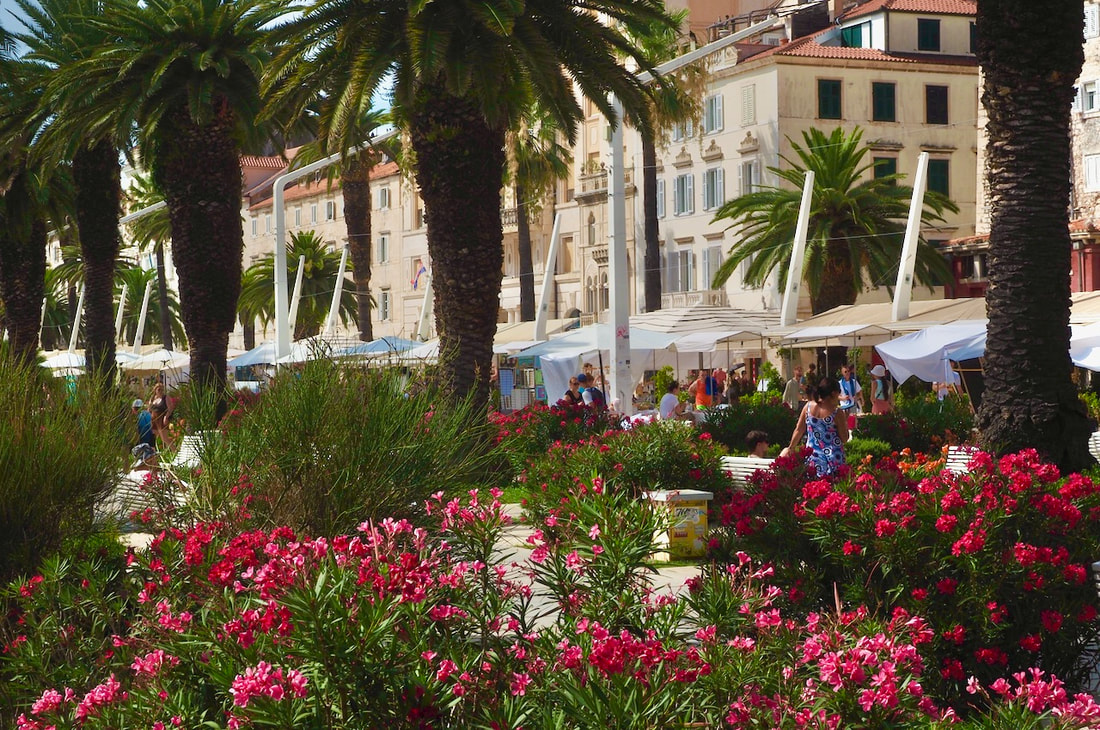
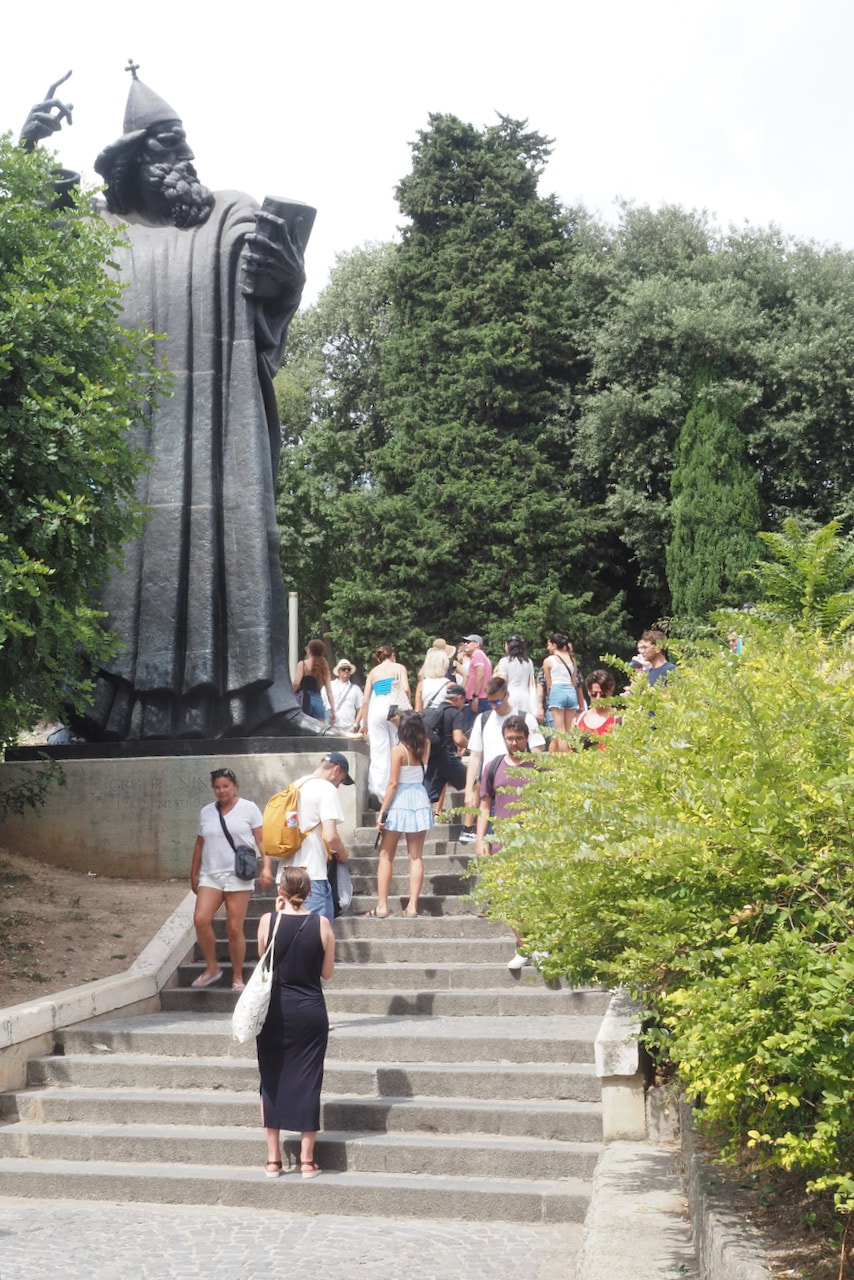
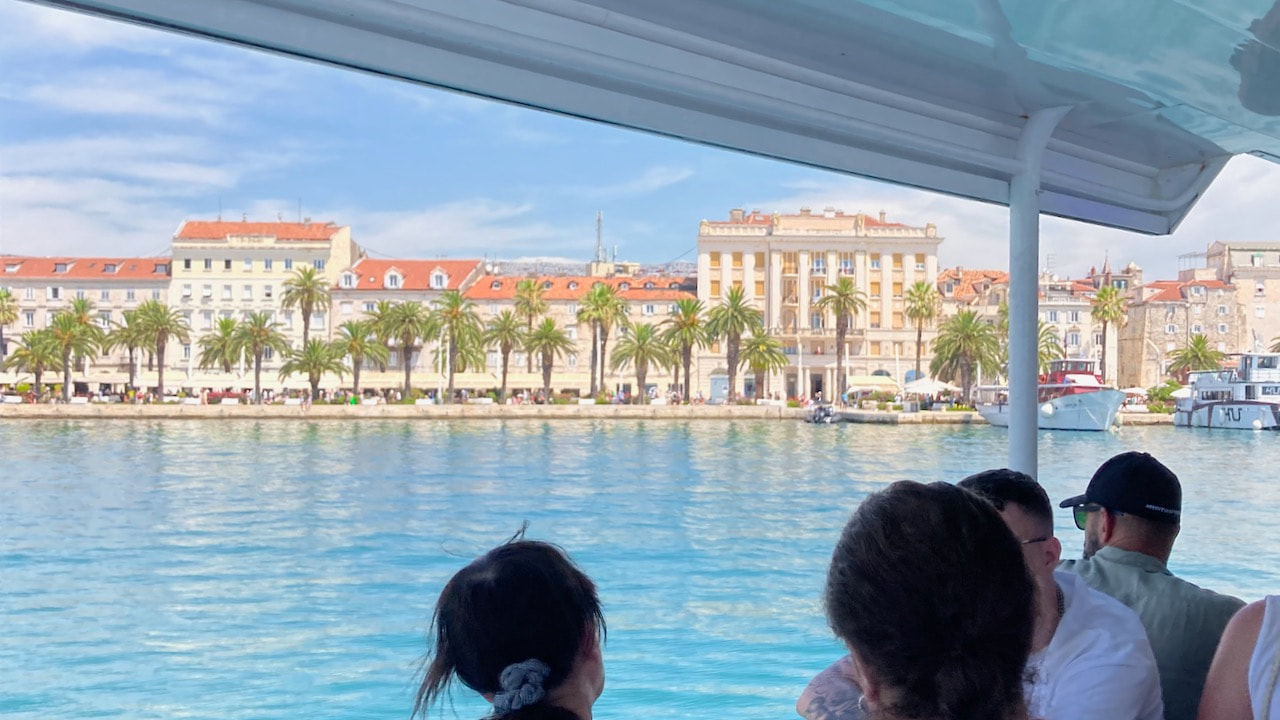
The capital of Dalmatia, the largest Dalmatian and the second largest Croatian city, is Split. It boasts an exceptional historical heritage that combines ancient architecture with modern life, presenting a unique chapter in the history of Dalmatia. The city is primarily known for its spectacular Diocletian's Palace. This ancient complex is the central part of the city, built by Diocletian for his retirement. Today, within its walls, you'll find vibrant markets, restaurants, and galleries intertwined with remnants of ancient times.
Picture
Picture
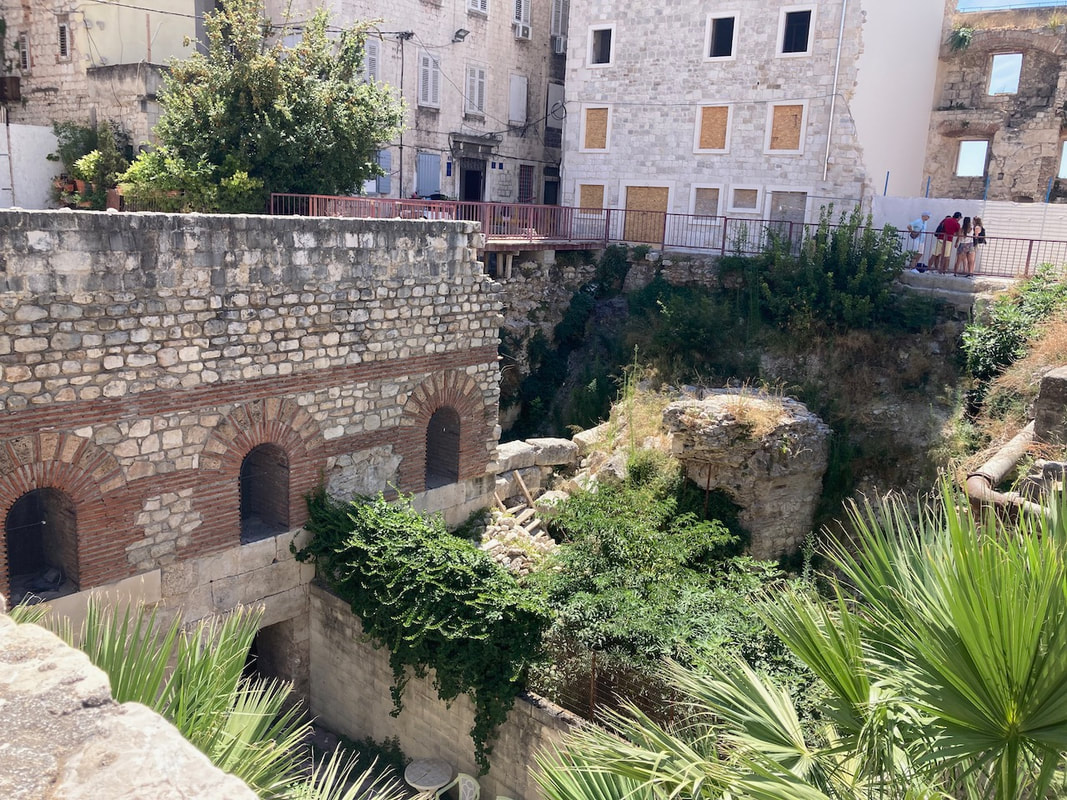
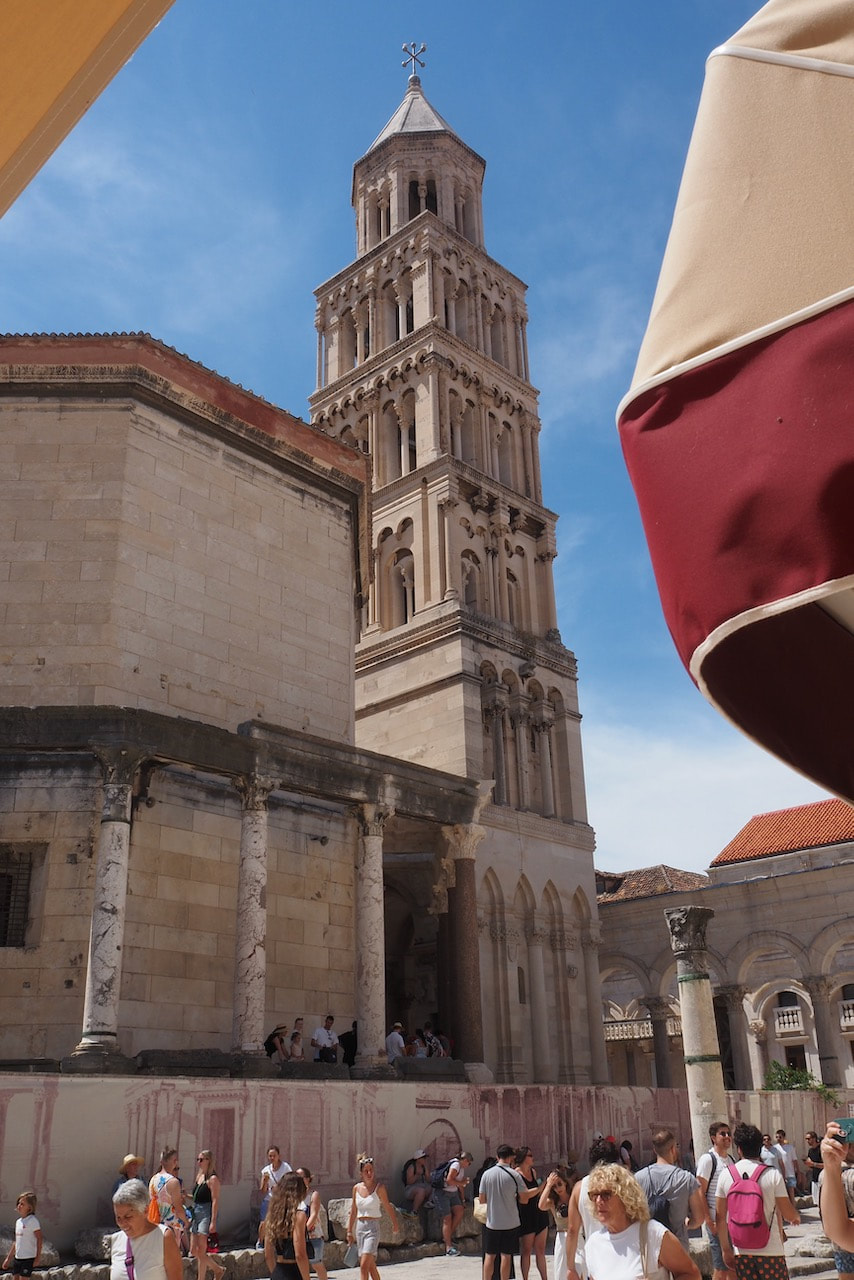
The main gem of Split is undoubtedly Diocletian's Palace, construction of which began in 295 AD for the Roman Emperor Diocletian as his residence. The palace stands today as a magnificent example of Roman architecture, blending elements of ancient style with medieval additions. It covers an area of over 3 hectares, and within its walls, you'll find a lively city with narrow streets, squares, restaurants, and shops. The palace includes temples, arched passageways, statues, and various buildings, including Diocletian's Cathedral of St. Domnius (on the site of the former emperor's mausoleum).​
Picture
Picture
Split's history continues through the Middle Ages, when the palace started to be inhabited by residents seeking refuge from barbarian invasions. This marked the beginning of the formation of the city of Split, whose development continued over the centuries. In addition to Diocletian's Palace, Split also features numerous other historical buildings, such as medieval churches, palaces, and walls. The city is imbued with memories of different eras that have shaped its development.
Picture
Picture
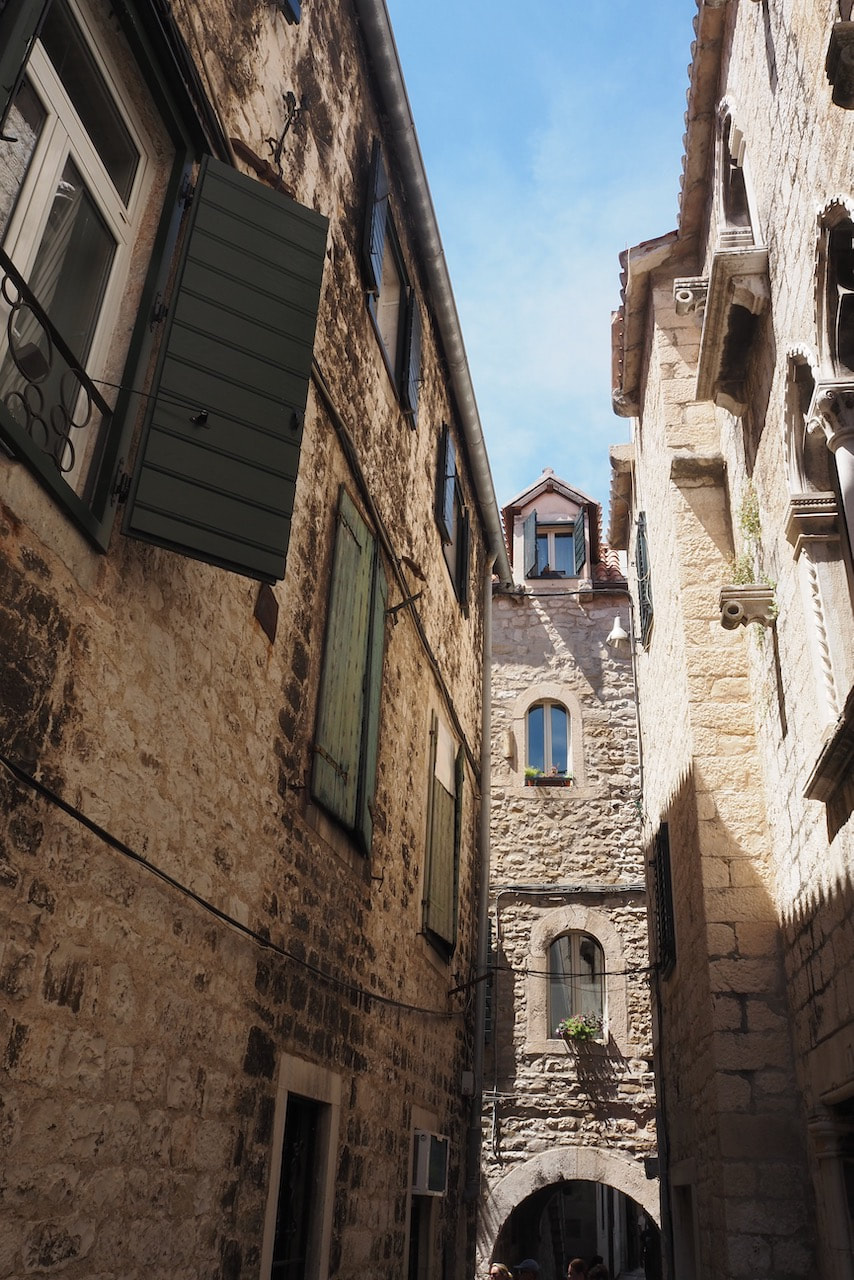
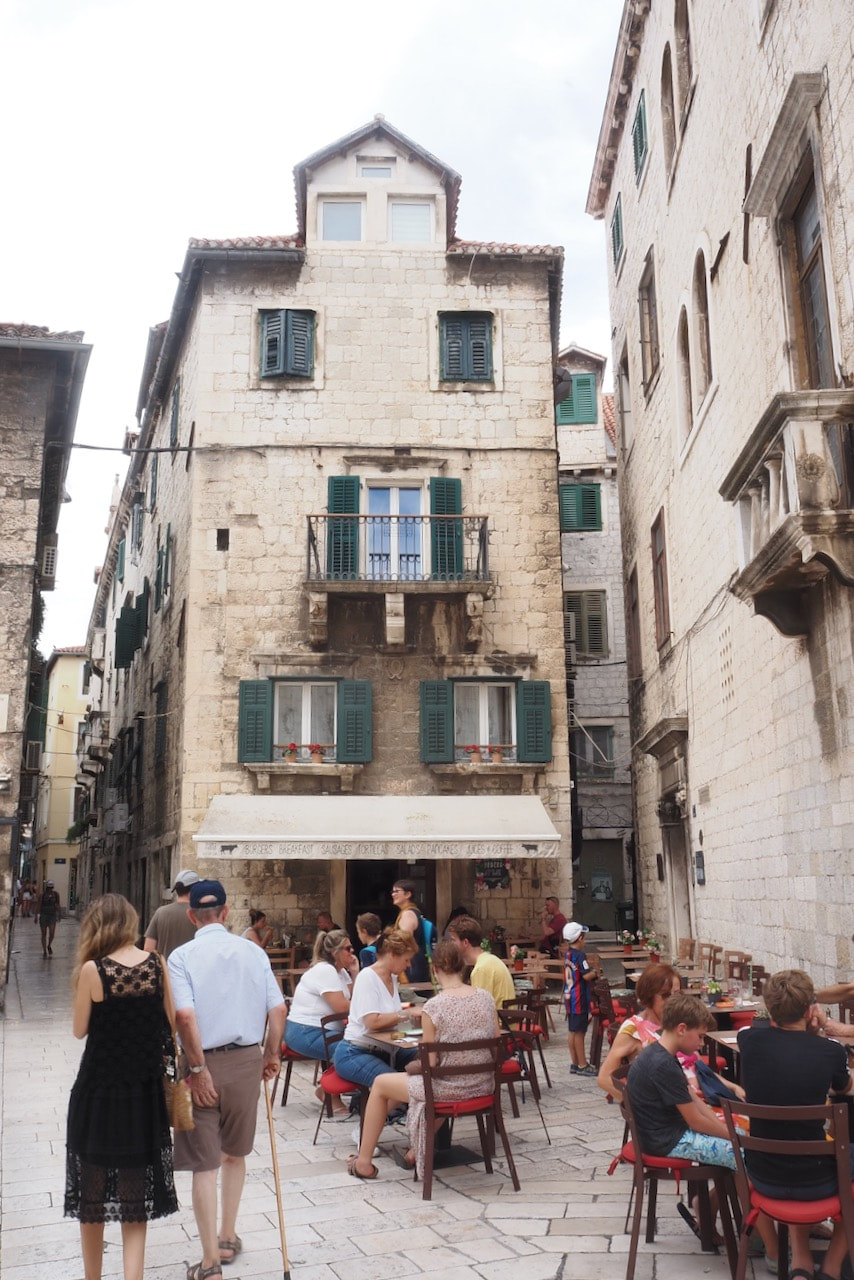
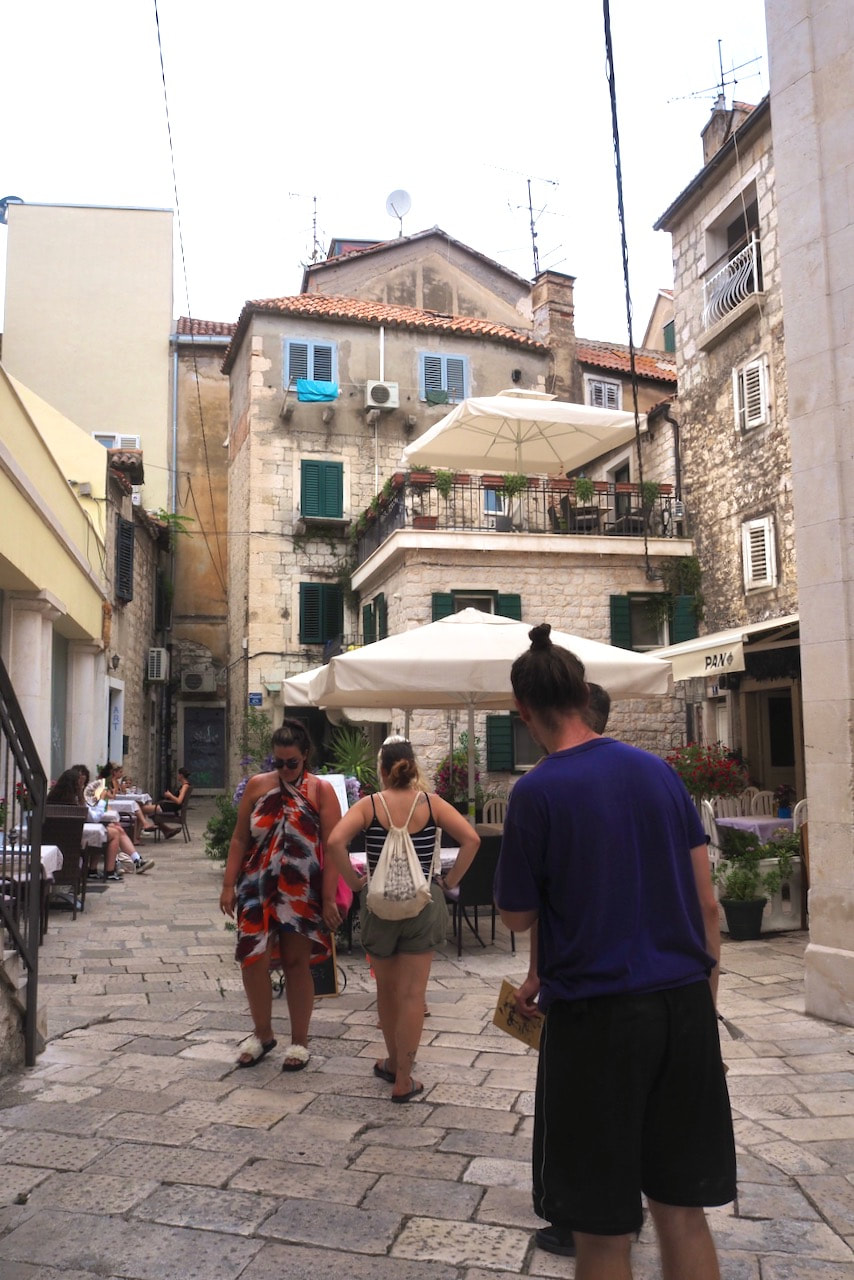
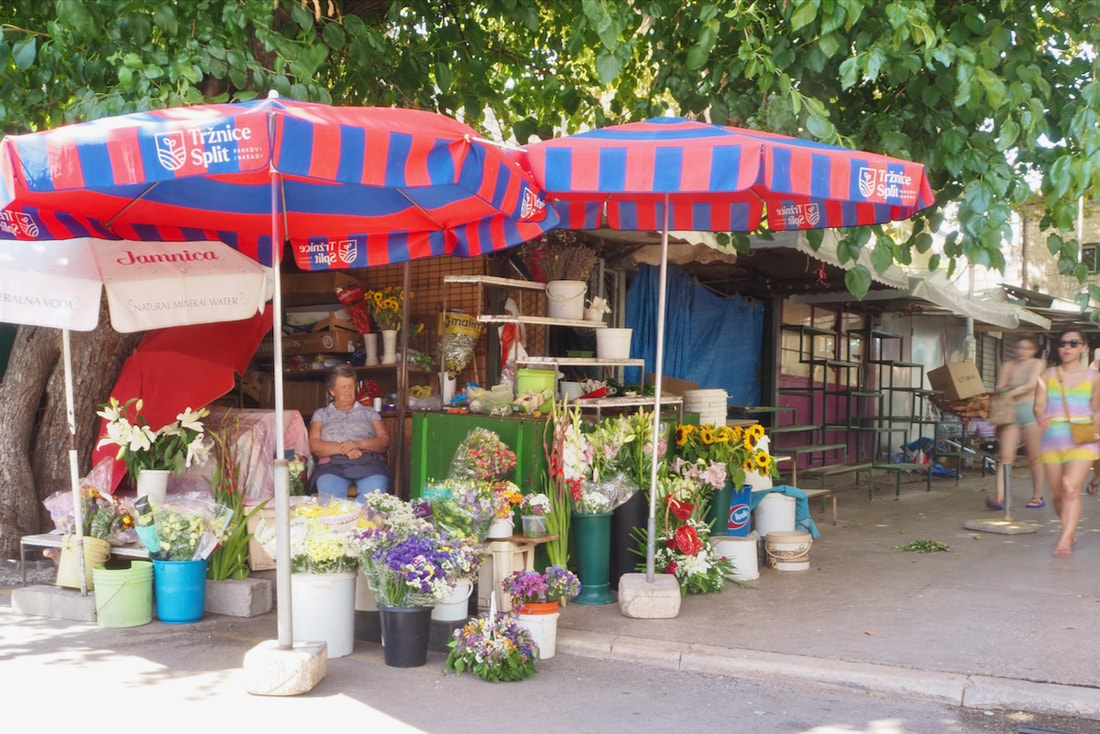
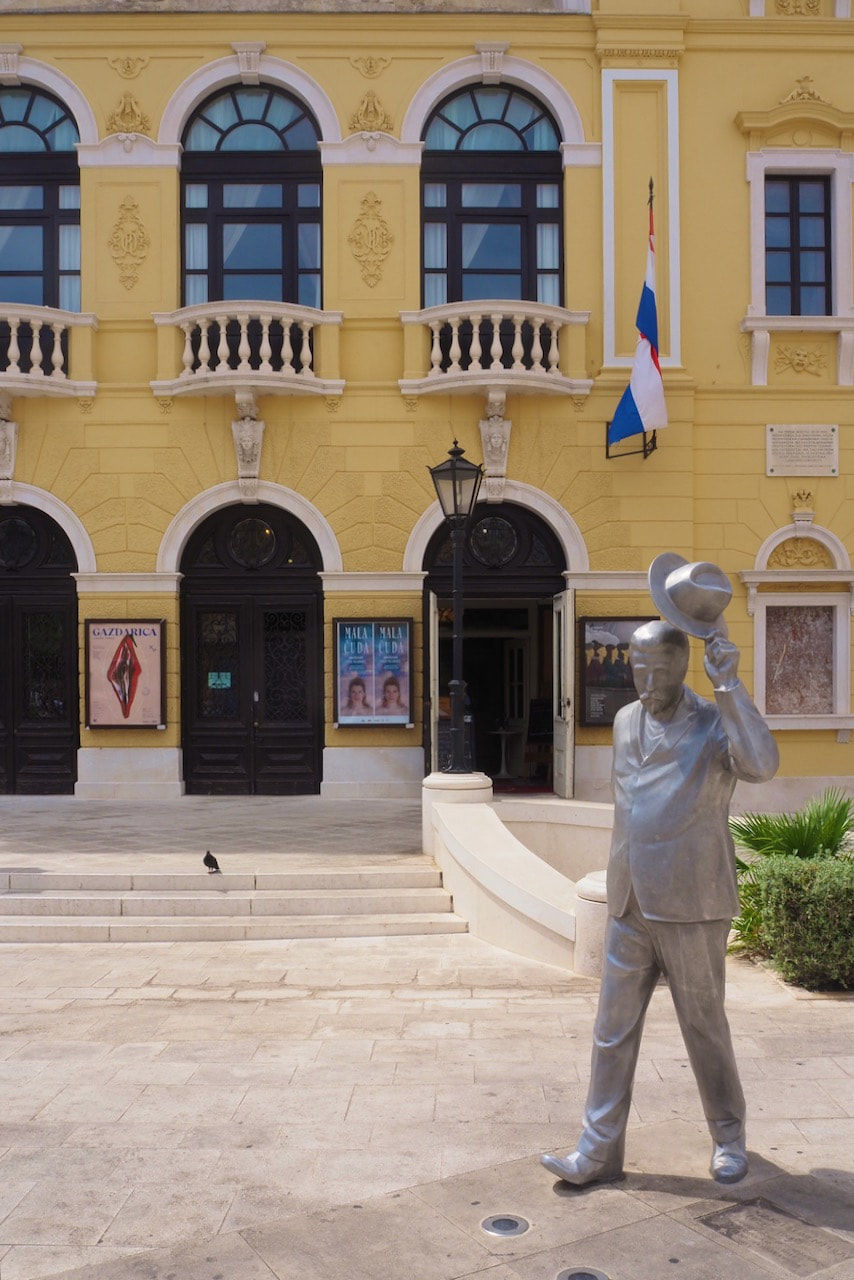
However, Split is not just a historical city; it's a lively city that breathes with its inhabitants. For tourists, the old stone alleyways filled with vibrant markets, eateries, and shops are particularly appealing. For architects and urban planners of today, the most valuable site is the "urban monument" Split 3, designed half a century ago by my graduate mentor, the late Professor Vladimir Braco Mušič, and his architectural colleagues. This blend of history and modernity gives Split a unique energy, making it an attractive destination for visitors and history enthusiasts.
Picture
In Split, you can't avoid the term "hajduk." Historically, Hajduks were rebellious fighters who played a significant role in the history of the Balkan Peninsula and southeastern Europe in the past centuries. Their role evolved based on the time period and political circumstances, ranging from national liberators to outlaws and fighters for social equality (similar to Robin Hood). The most famous hajduk today is undoubtedly the Hajduk Split football club. One of the most successful football clubs in this part of Europe, it is reportedly structured as a fan-owned corporation.
Split and its surroundings constitute the economic center of the region with a wide range of activities. Situated on the eastern side of the Adriatic Sea, Split is one of the most important tourist destinations in Croatia, attracting visitors with its historical heritage, Diocletian's Palace, and vibrant city life. Tourism is a key economic factor, contributing to hospitality services, commerce, and other tourism-related activities.
Picture
Picture
Picture
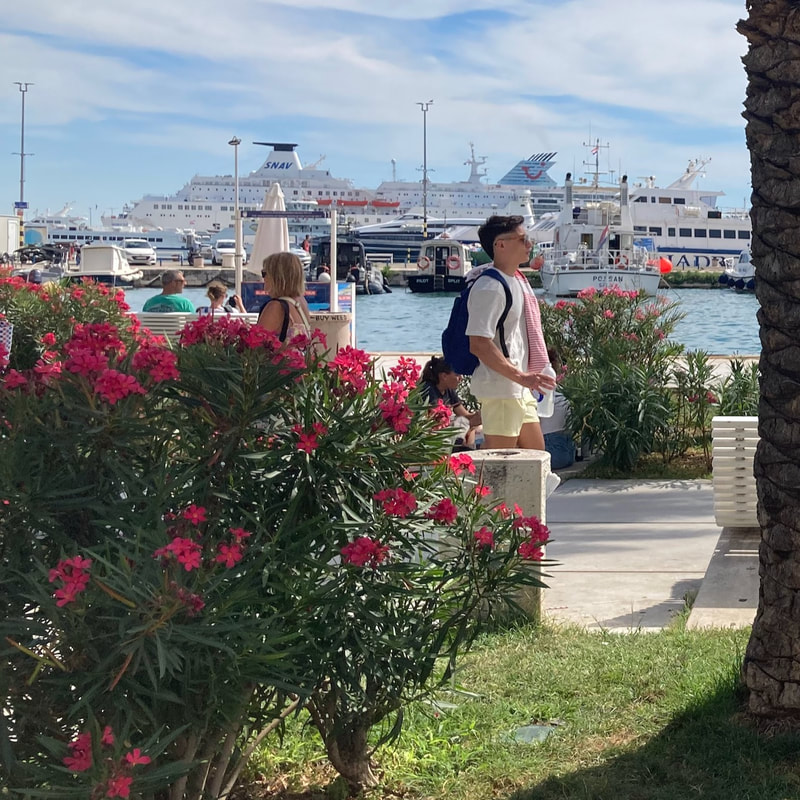
In terms of transportation, Split is well-connected to the world, lying along the main Croatian highway and the former Adriatic Highway. The international airport is hard to miss, especially during the tourist season due to heavy traffic. The city also has a significant port for both passenger and cargo traffic. Passenger ships, ferries, and cruises bring tourists, and the port serves as a vital hub for trade and connections with nearby islands and Italian coast.
The University of Split and other educational institutions contribute to the city's economic development. Culture, art, and sports events also add to the modern life of the city. Together, these activities form a mosaic that allows Split and its surroundings to maintain a dynamic economic environment, appealing to both the population and visitors.
Picture
Picture
< previous
next >
0 Comments

3 places in Central Dalmatia truly worth visiting (part 2 of 4)

26/8/2023

0 Comments


Trogir

Picture
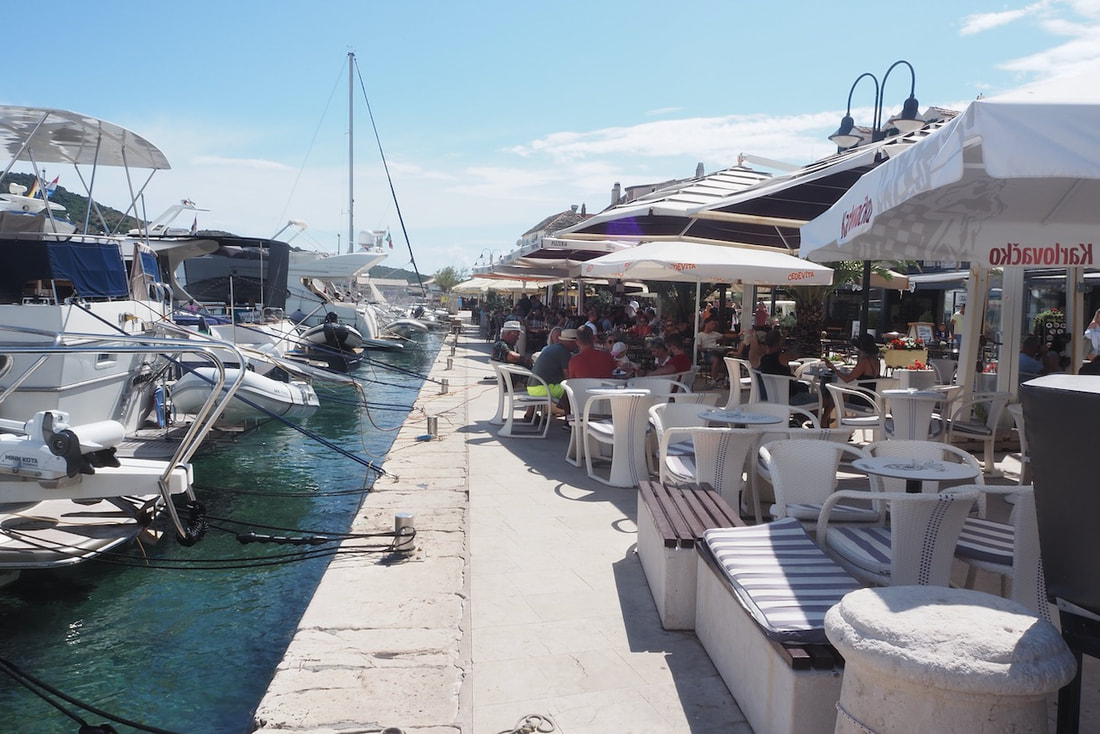
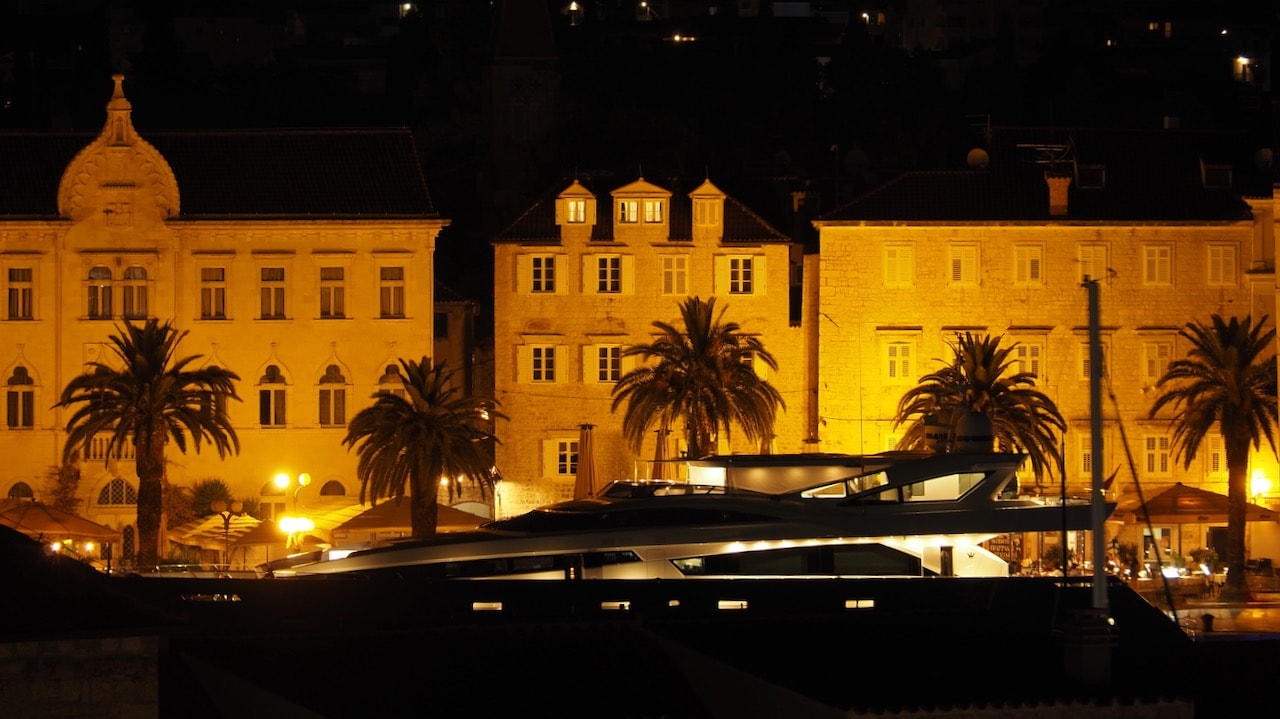
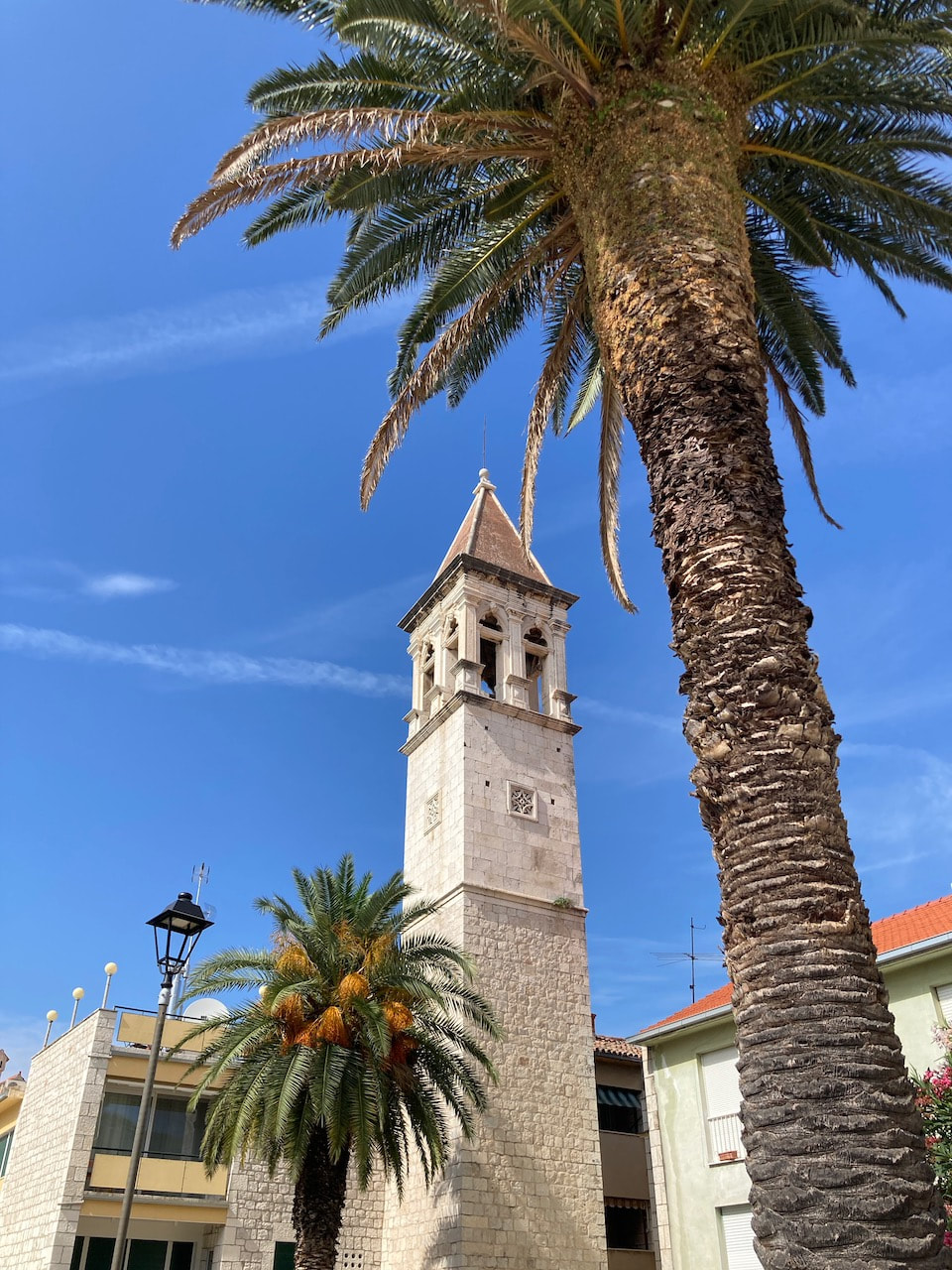
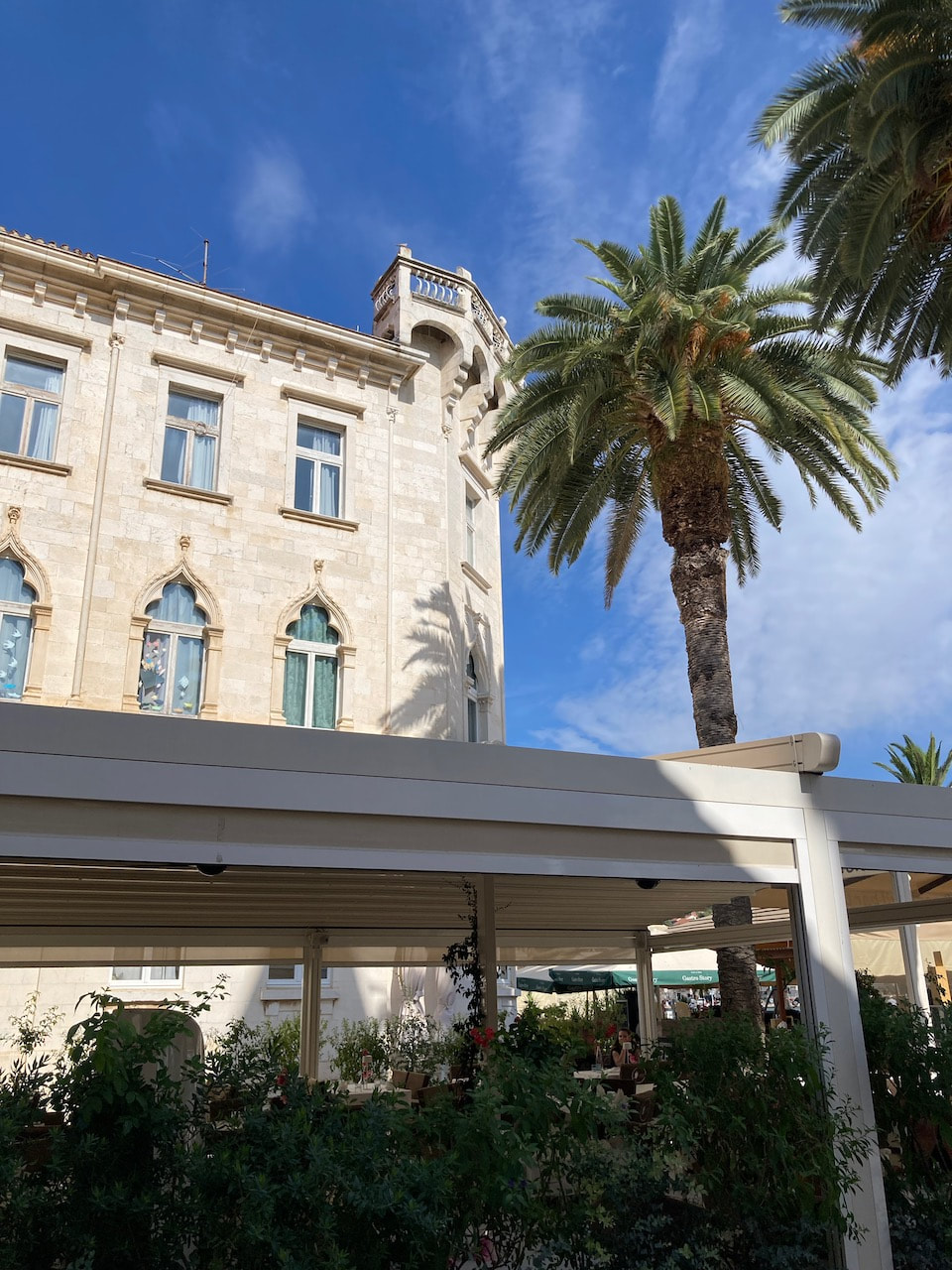
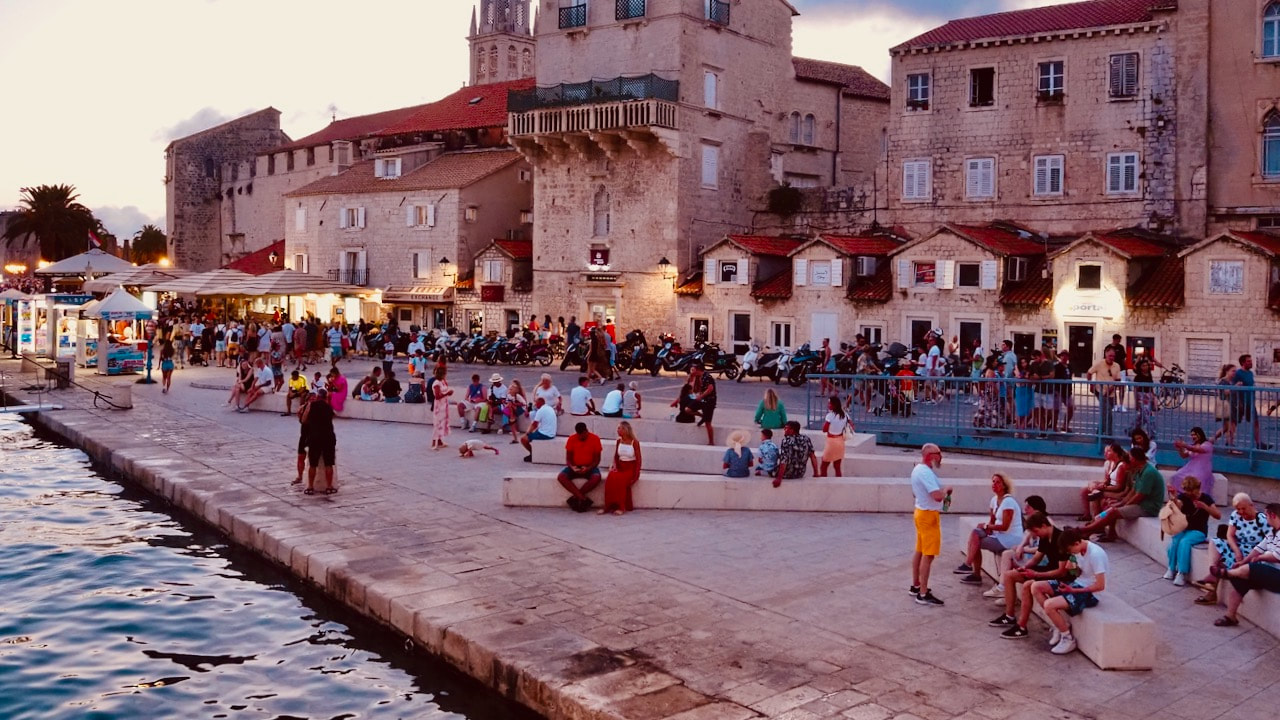
The city of Trogir, a stone maritime gem, is a picturesque town located on a small islet in the Adriatic Sea along the Croatian coastline.. It is protected as a UNESCO monument, as it has preserved its medieval charm throughout the centuries. It offers a picturesque combination of medieval streets winding through old buildings and the harbor. An admirable cathedral and numerous palaces testify to the rich history of this town.
Picture
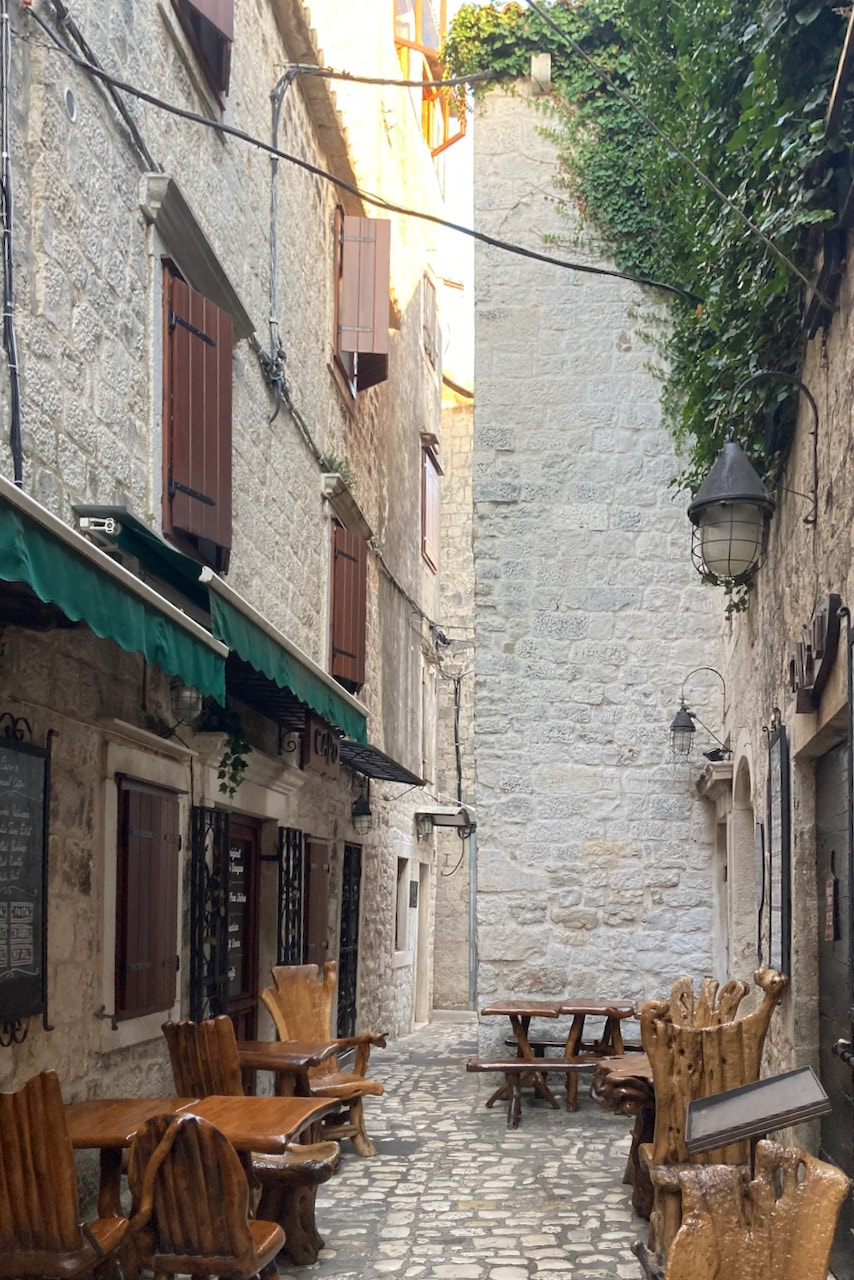
Trogir's rich historical heritage dates back to ancient times, founded by Greek settlers and later inhabited by Romans. The key historical period is the Middle Ages when the town reached its peak. Trogir was important in trade and maritime activities and was under the influence of the Venetian Republic. This period left the greatest imprint on Trogir, with numerous buildings, palaces, churches, and towers characteristic of medieval architecture. With its narrow cobblestone streets, medieval palaces, and impressive cathedral, the town is a true lesson in architecture and history.
Picture
Picture
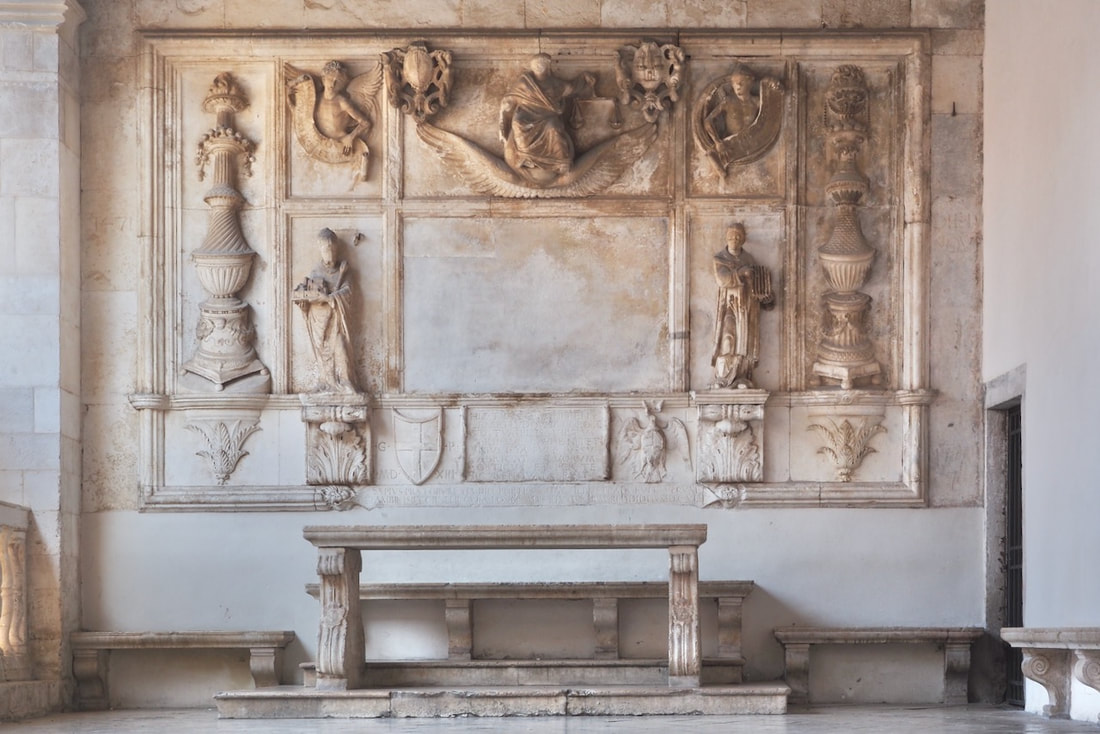
The center of the town is represented by the Trogir Cathedral of St. Lawrence, a true jewel of Romanesque architecture. The cathedral houses magnificent artistic treasures depicting scenes from Christian mythology. Also of exceptional importance on the western side of the town is the Kamerlengo Tower, which once served as a defensive tower and now offers a splendid view of the city walls and surroundings. While strolling through the town, you discover a multitude of medieval palaces and towers that testify to its rich past. Narrow cobbled streets weaving between stone houses and ancient palaces evoke a feeling of stepping into the past. The town is literally a living museum of history, where every corner unveils a new perspective on the past.
Picture
Picture
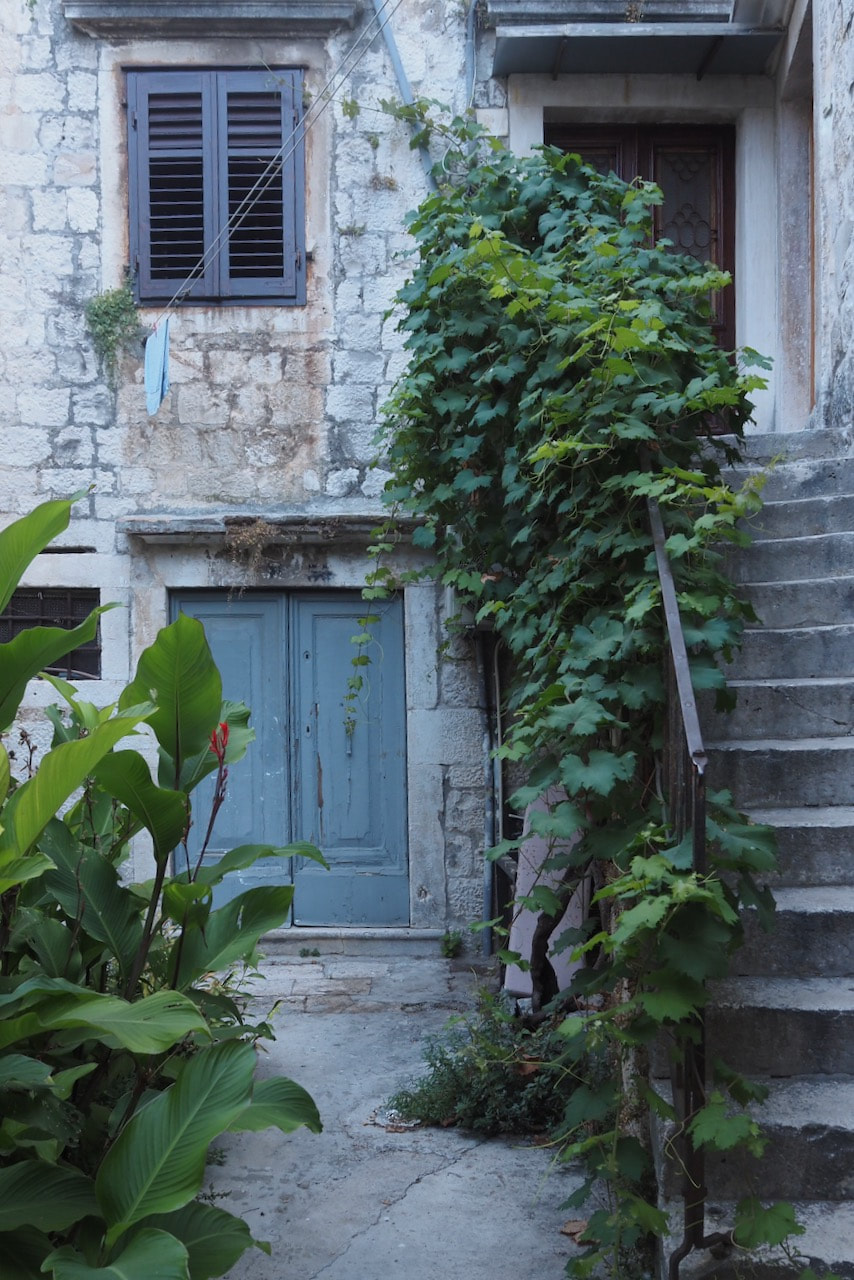
Trogir remains a unique window into the past, unobscured by modern life. It is a place where visitors can deeply inhale the spirit of history and admire the architectural masterpiece of the medieval era.
Picture
Trogir and its surroundings form an economically diverse area where various activities intertwine to contribute to the local economy:
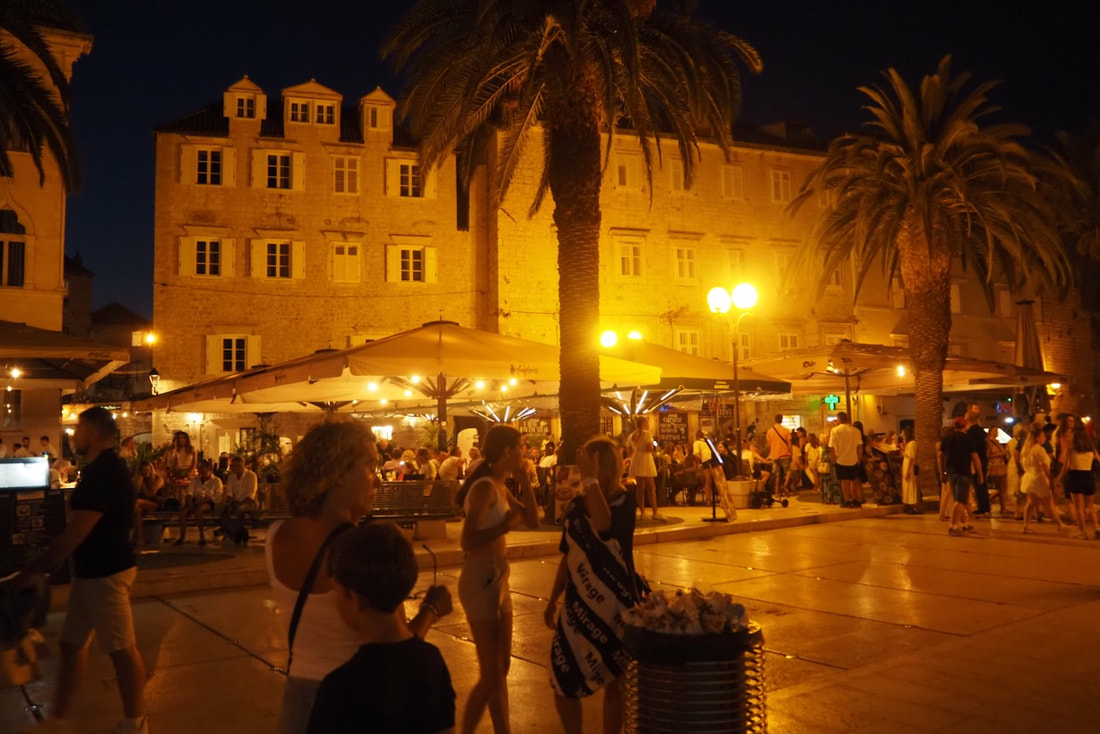
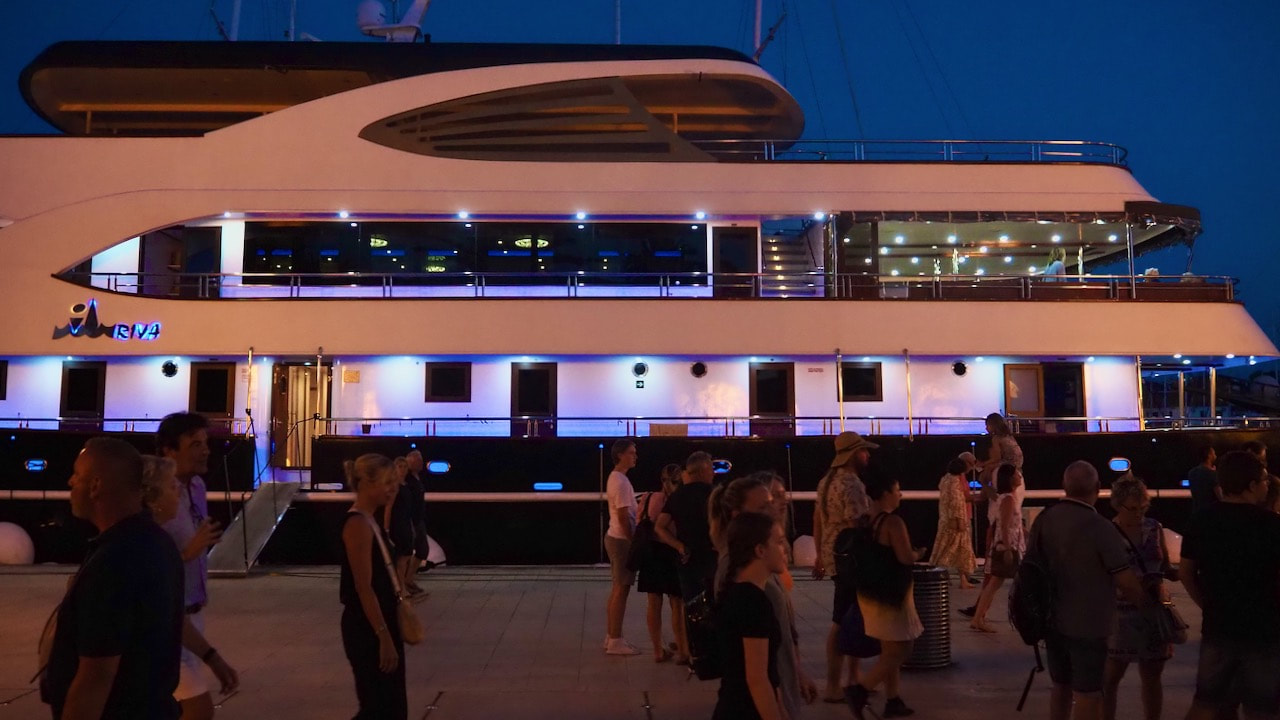
​Foremost, tourism takes the lead, as Trogir is one of the better-known tourist destinations on the eastern Adriatic coast. Its rich historical heritage with picturesque streets and a beautiful coastline attract visitors. Those staying in hotels, apartments, and private accommodations make the most significant contribution to the local economy.
Picture
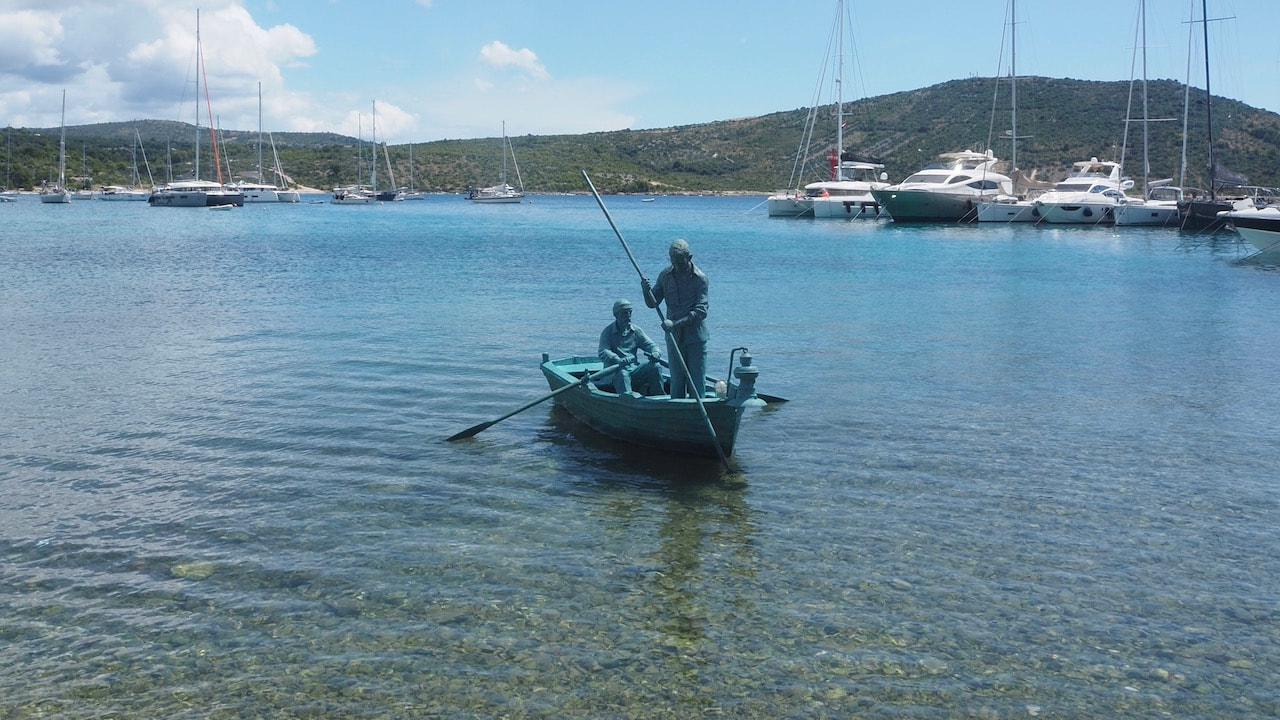
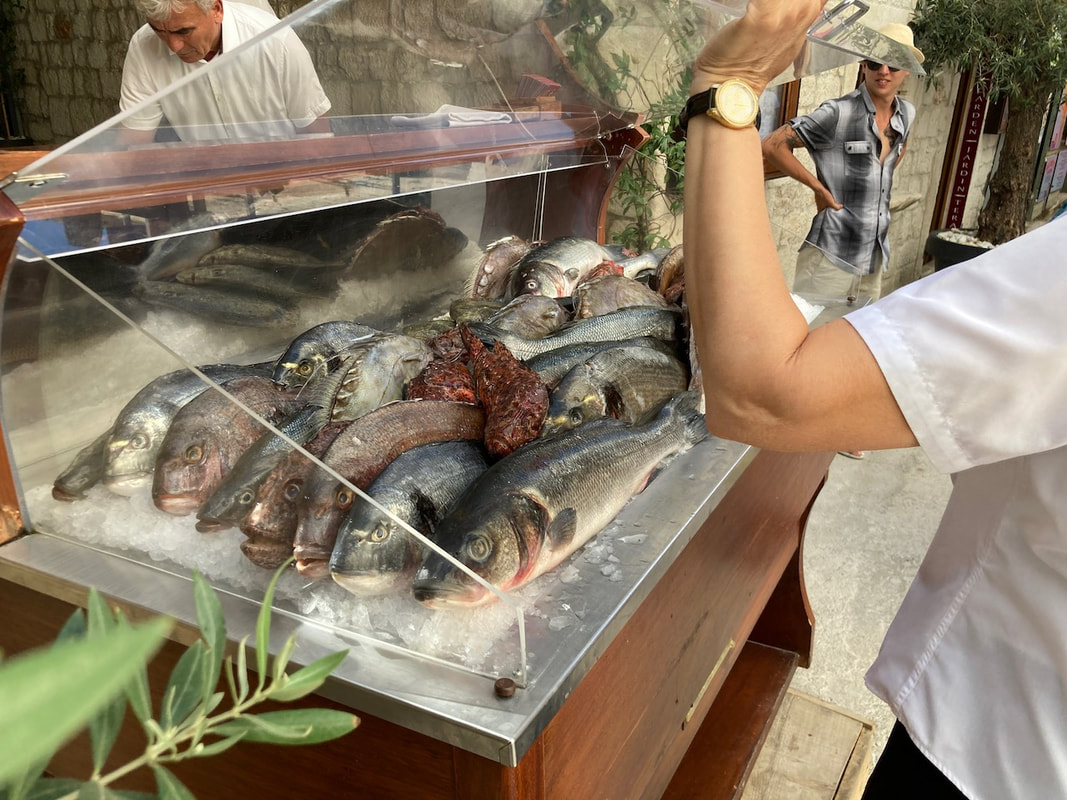
Due to its coastal location, agriculture and fishing play important roles in the economy. The catch of various fish species provides fresh seafood, primarily for local consumption by residents and guests. Agriculture in the vicinity of Trogir relies on olives, grapes, citrus fruits, and vegetables. Olive oil and wine are well-known local products, also offered as souvenirs.
Picture
What are the people of Trogir also living from? An essential part of the economic activity and support for what's been mentioned before are shops, markets, artisanal businesses, and restaurants. Local artisans and entrepreneurs engage in producing traditional goods such as handmade crafts, ceramics, textile products, thereby creating jobs and offering products and services that cater to the needs of both locals and visitors.
Picture
< previous
next >
0 Comments

3 places in Central Dalmatia truly worth visiting (part 1 of 4)

26/8/2023

0 Comments


Intro

Picture
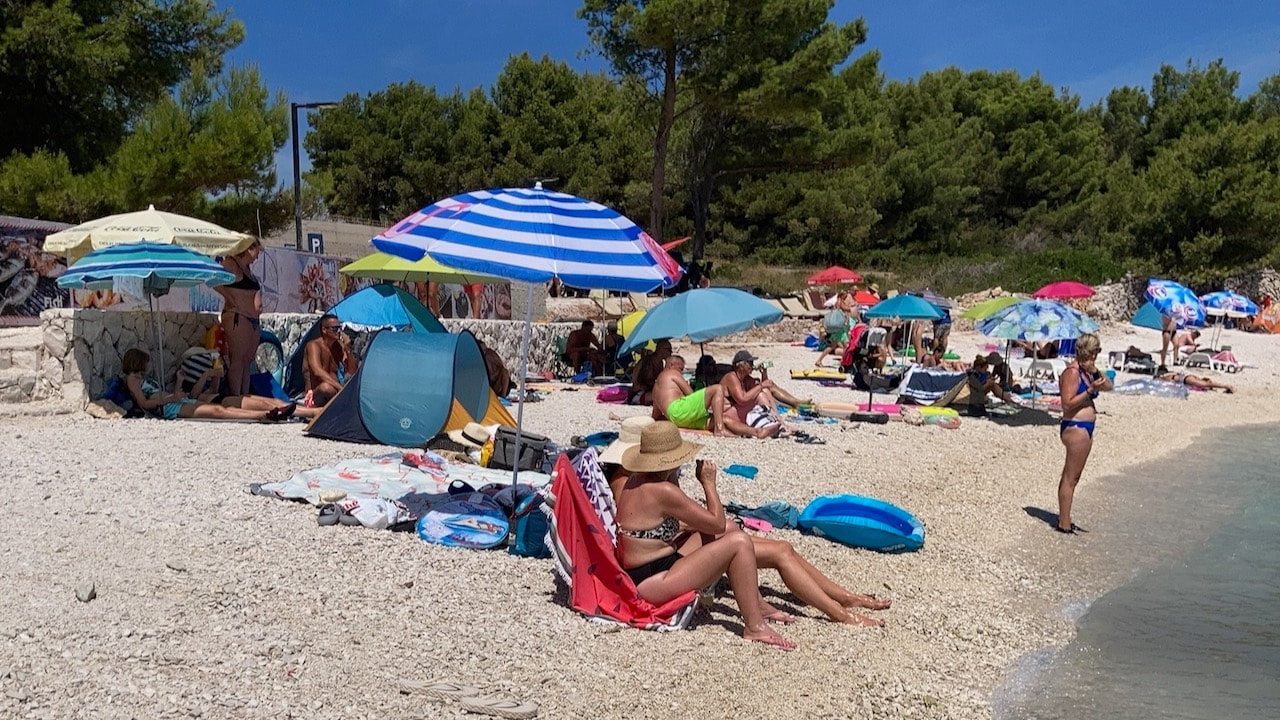
We used to be criticized for showing insufficient patriotism because we sometimes don't spend our summer vacation in the homeland. The Croatian coastline of the Adriatic Sea is almost six thousand kilometers long, while the Slovenian coastline is more than a hundred times shorter. Clearly, we have more opportunities on Croatian coast to find our idyllic cove or at least a spot to spread our towel.
Picture
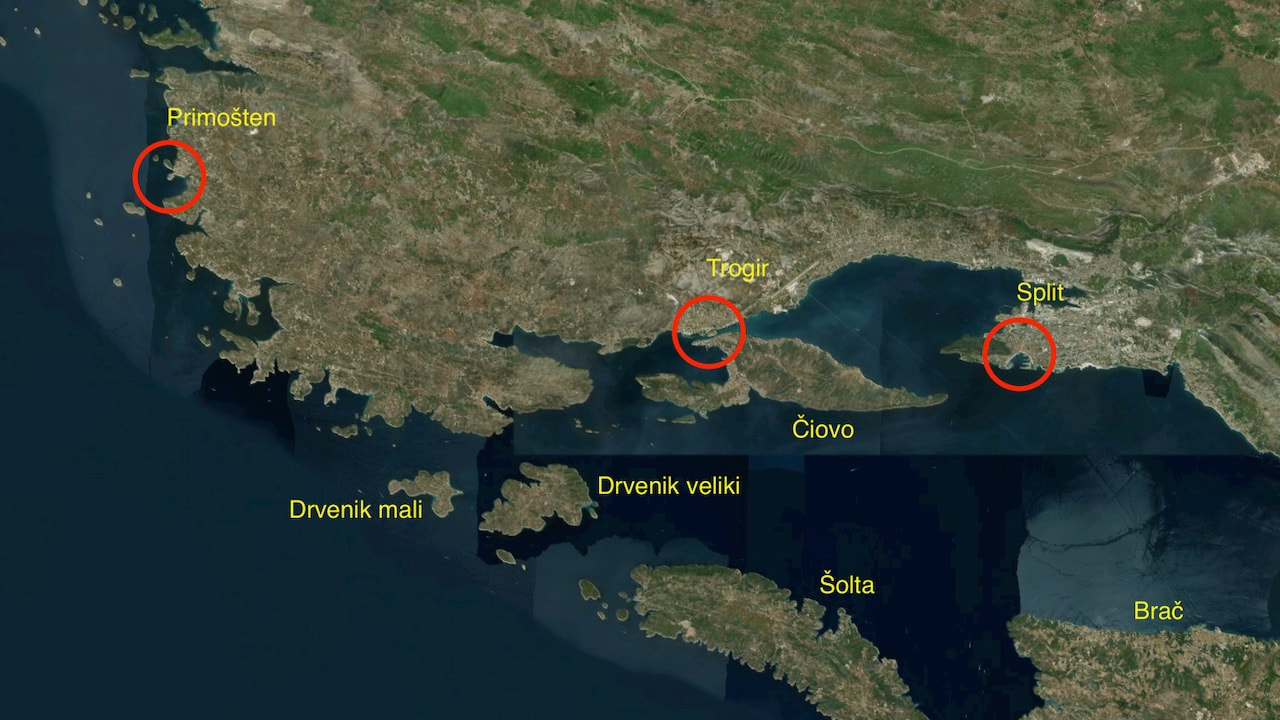
Our indulgence is to blame for choosing a destination this time that, in addition to the azure sea and an abundance of beaches, also offers a few magical historical towns - Central Dalmatia. We chose Trogir as our starting point, and from there, we set off by car or boat to explore the surroundings. In this article, I will also focus on the stunning Split and the charming Primošten, both one hour drive from Trogir.
Picture
All three towns, although different in size and economic significance, are united by one common activity - tourism. These are internationally renowned tourist destinations that, due to their popularity during the season, are almost bursting at the seams. However, this is entirely understandable - rich historical heritage, charming ancient and medieval city centers, and picturesque coastline are the main reasons for their attractiveness that we cannot overlook.
Picture
next >
0 Comments

    Author

    Architect by education,
    ​Planner by profession,
    Tourist by heart and
    Foodie by soul...

    Archives

    April 2025
    October 2024
    April 2024
    March 2024
    August 2023
    July 2021
    March 2018

    Categories

    All
    Food & Drinks
    Planning & Architecture
    Tourism

    RSS Feed

Powered by Create your own unique website with customizable templates.